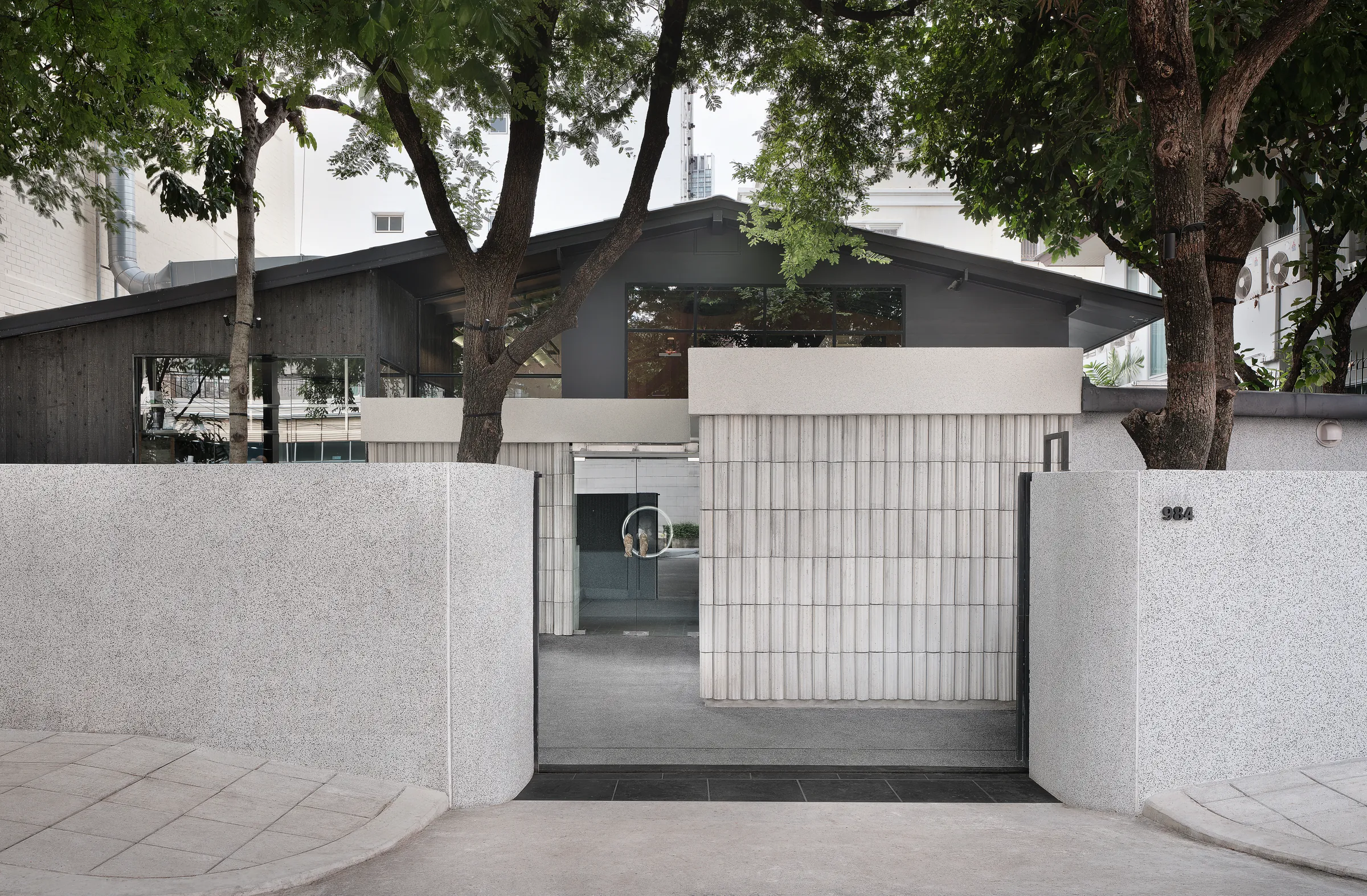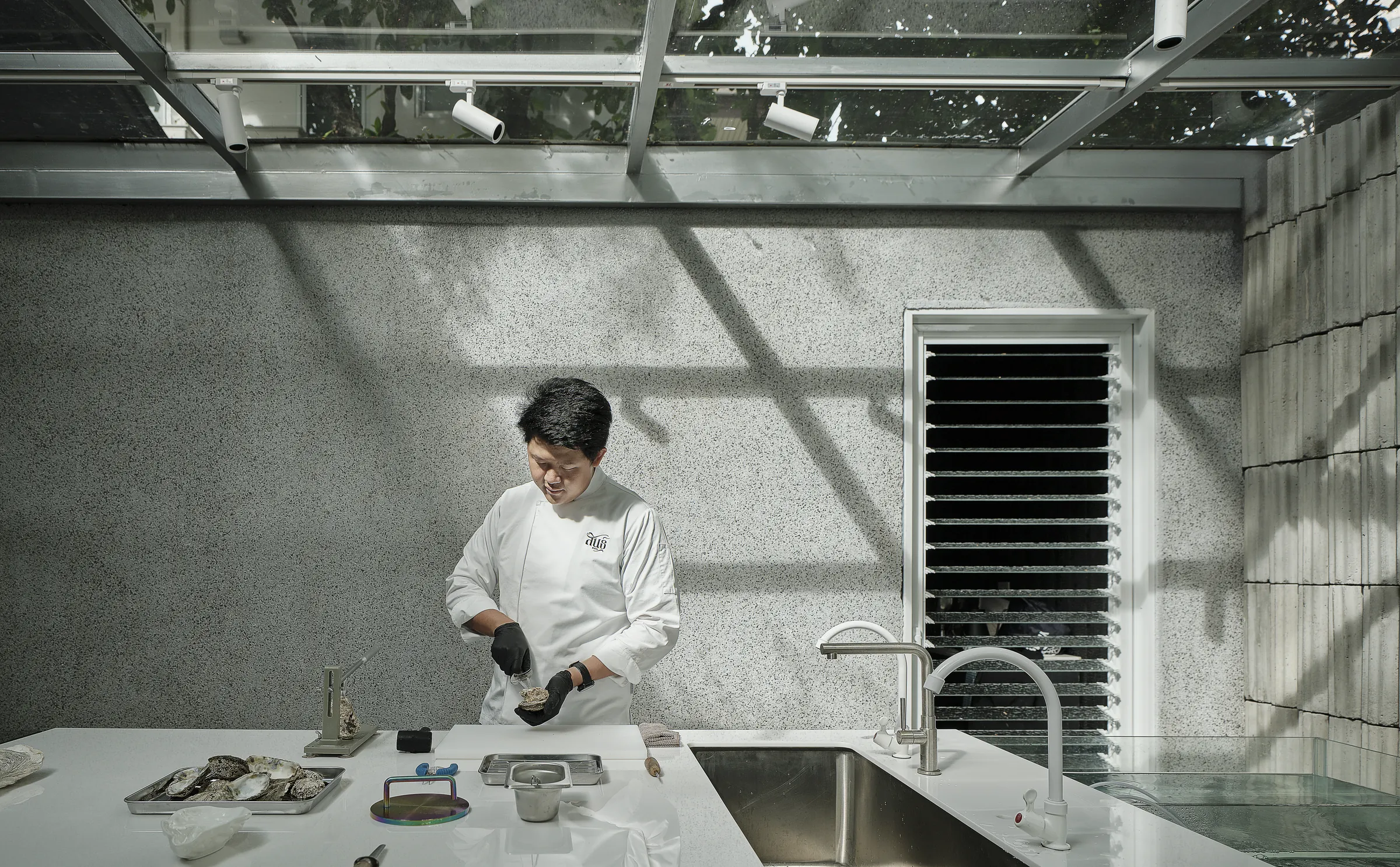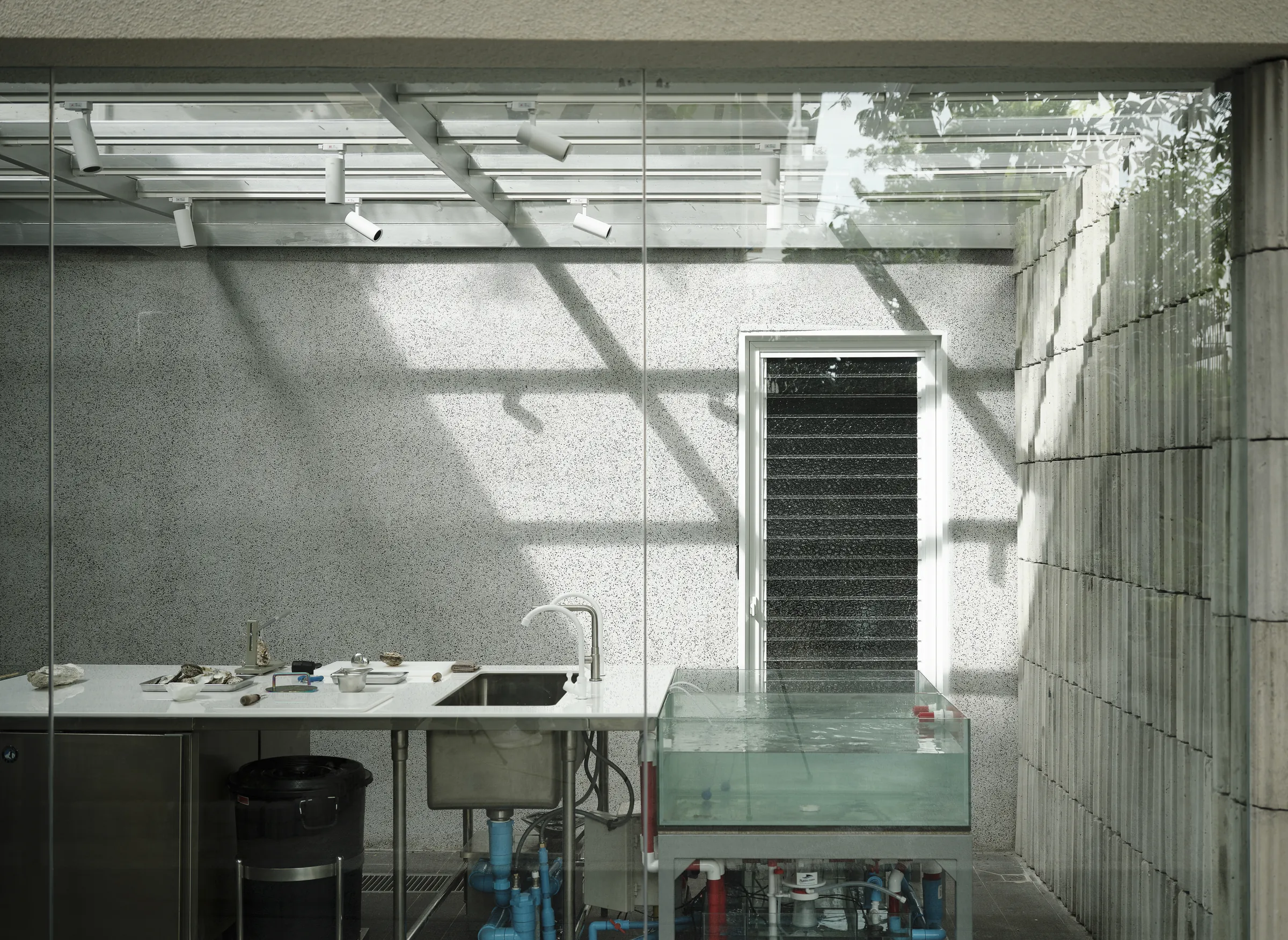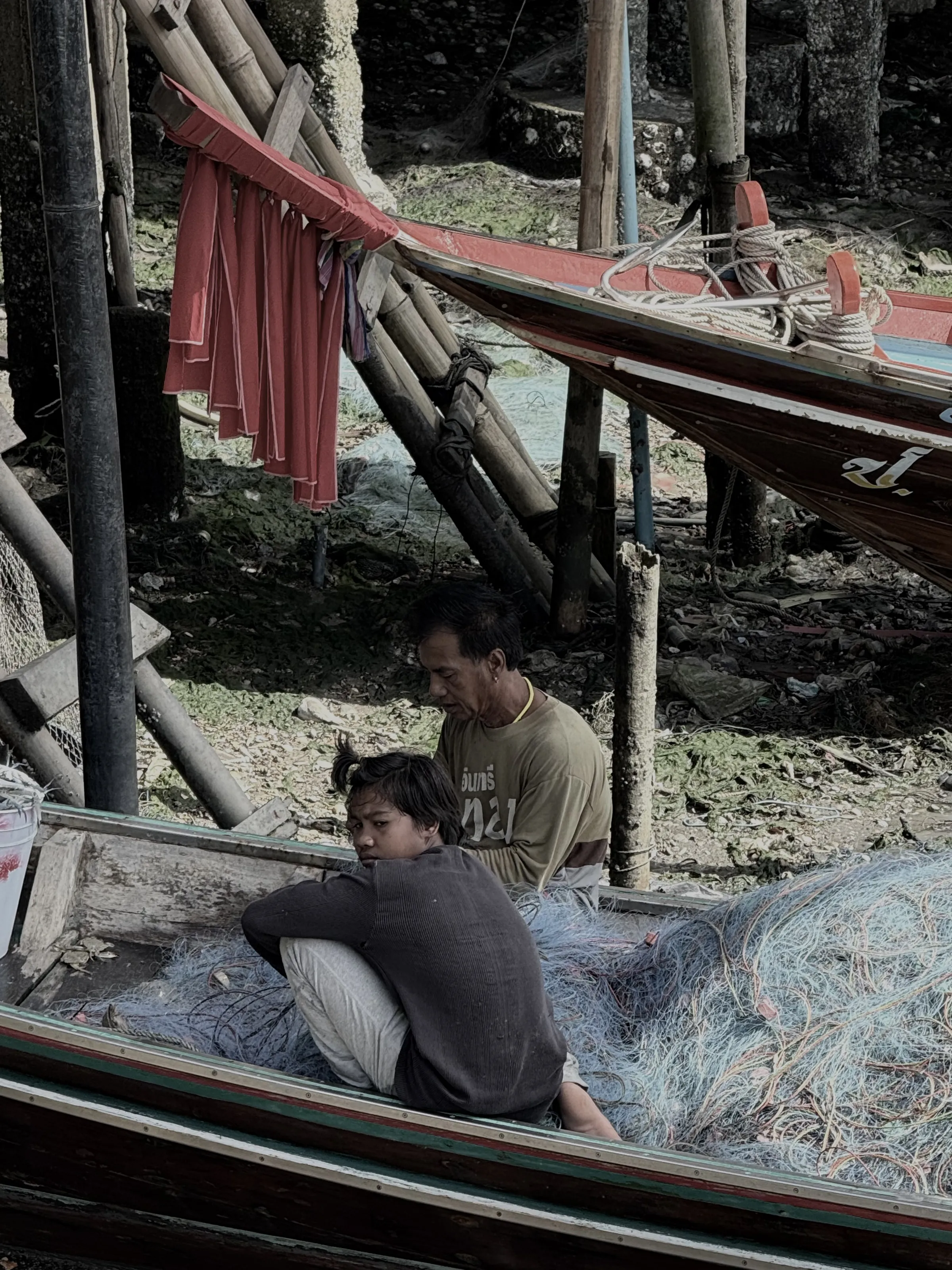
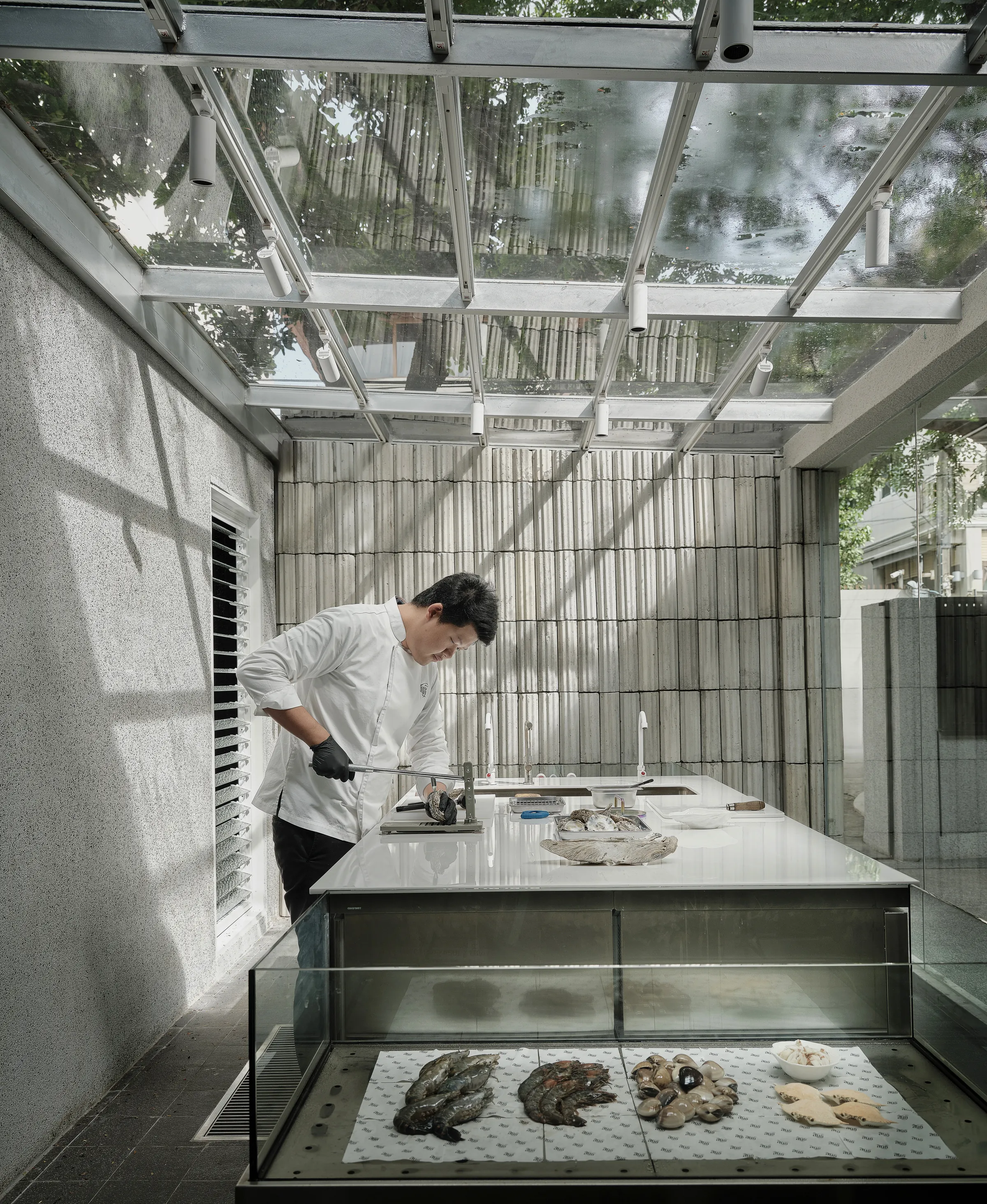
Scale is a fish butchery and seafood hub in Bangkok, sourcing fresh produce directly from Surat Thani in southern Thailand. The project brings together different stages of the seafood process within one place, from preparation and butchery to storage, distribution, retail, and consumption. Rather than hiding these activities behind closed service areas, the architecture reveals what usually stays behind the scenes, allowing the working process to become part of the spatial experience.
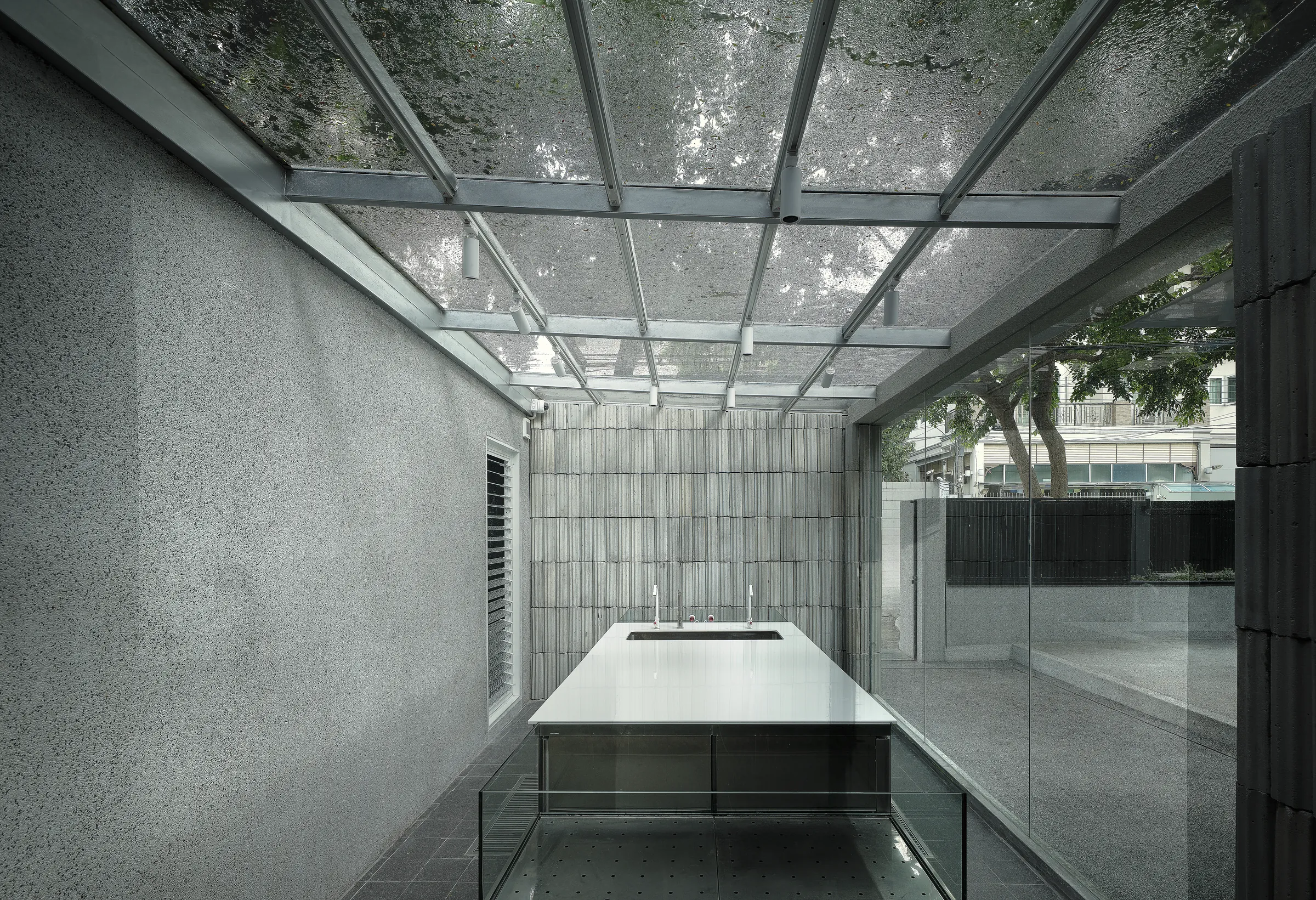
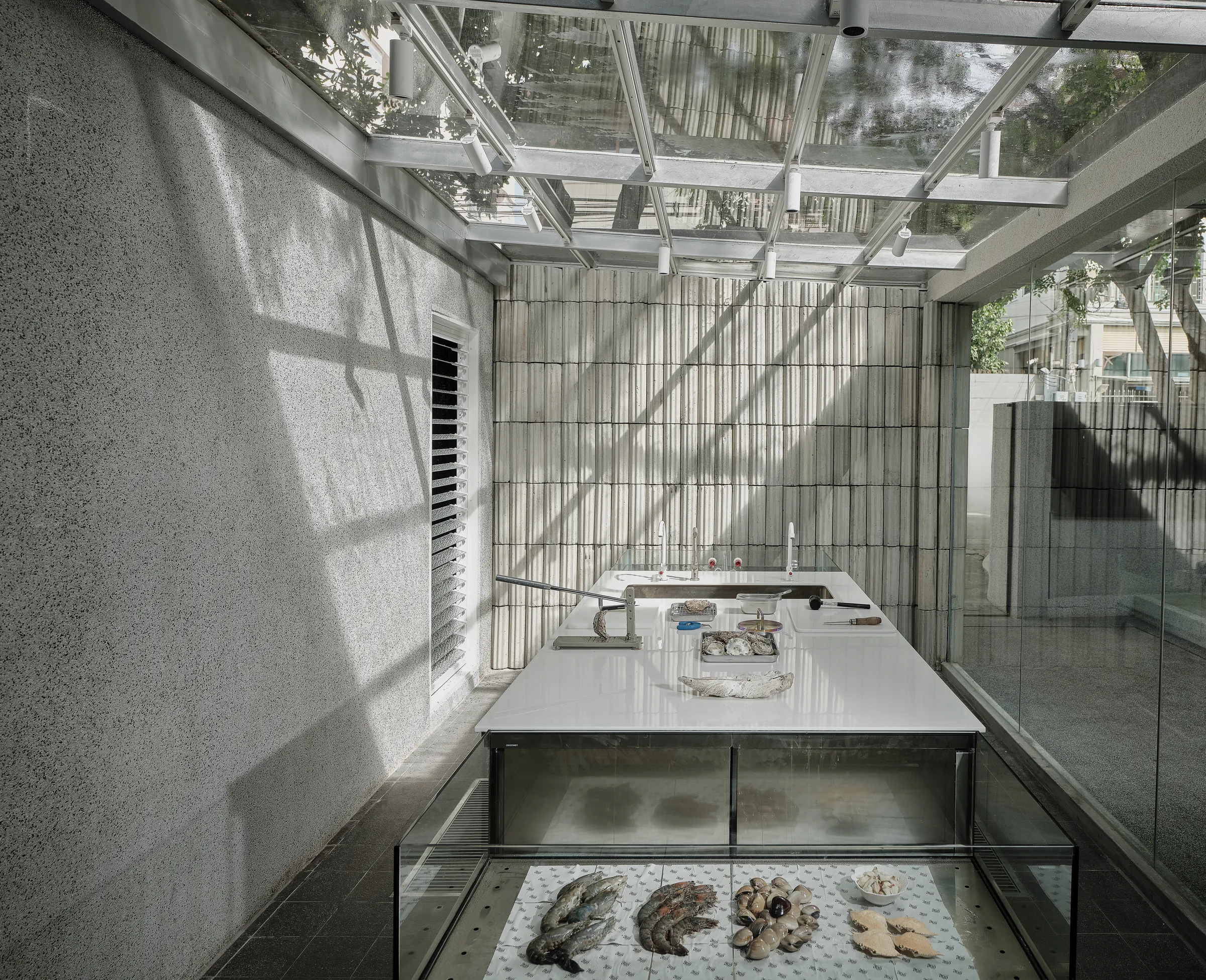
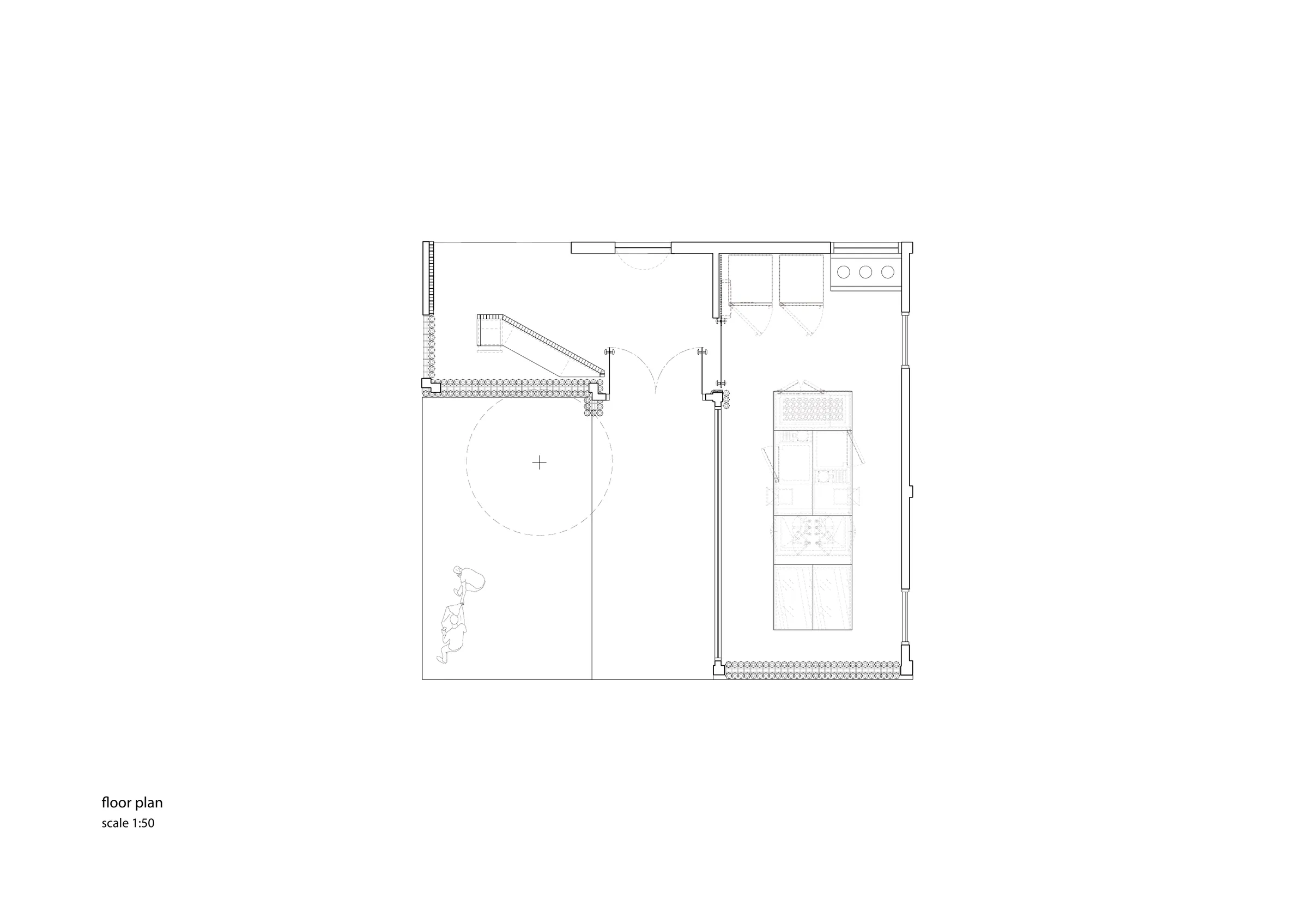
The interior is organized around the daily operation of the fish butchery. Preparation areas, display counters, storage, and circulation are arranged to support a clear and practical workflow while maintaining visual connections between different parts of the space. Customers are able to observe how seafood is handled and prepared before it reaches the table. In this way, the project makes the journey of seafood more visible and connects the product with the people and processes behind it.
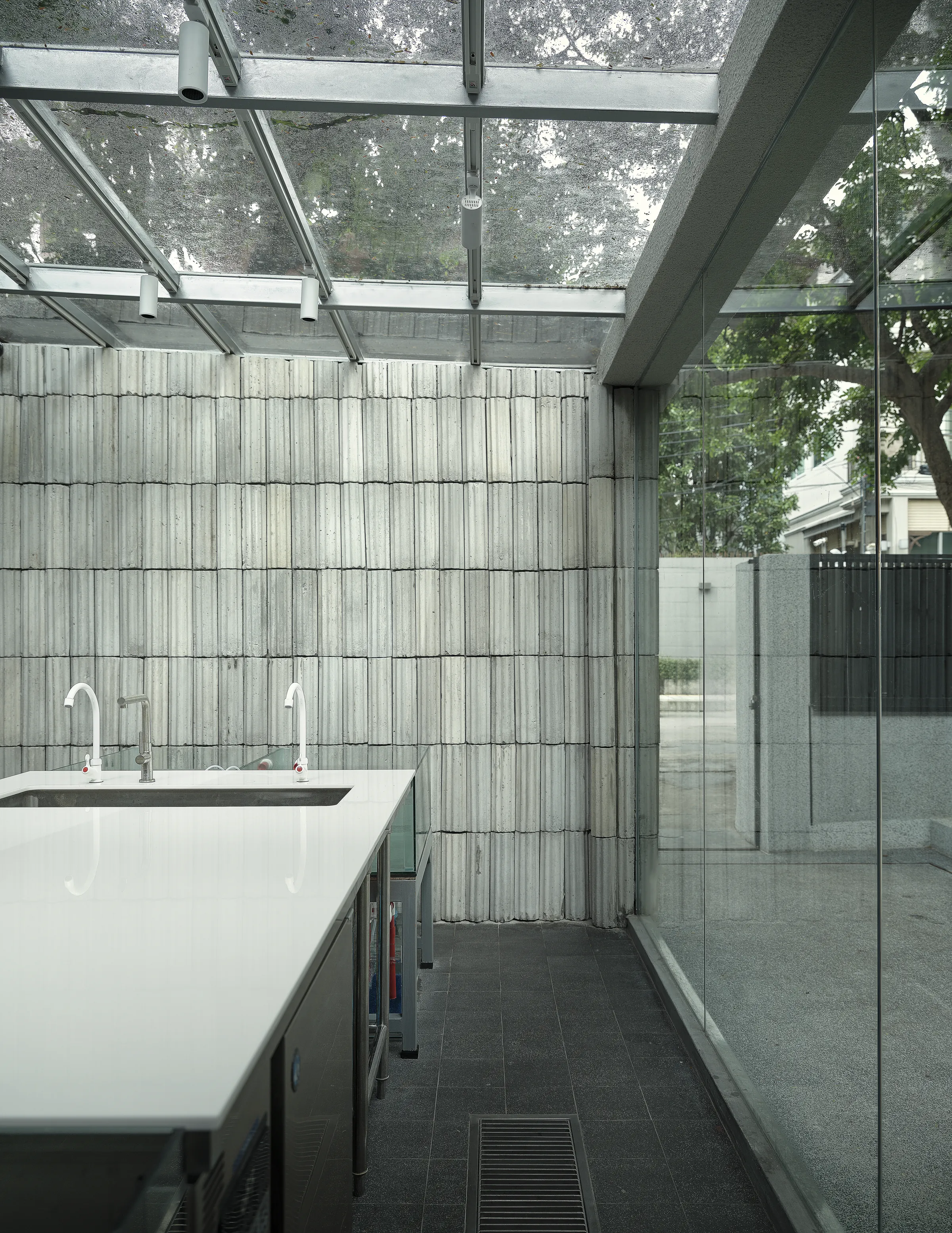
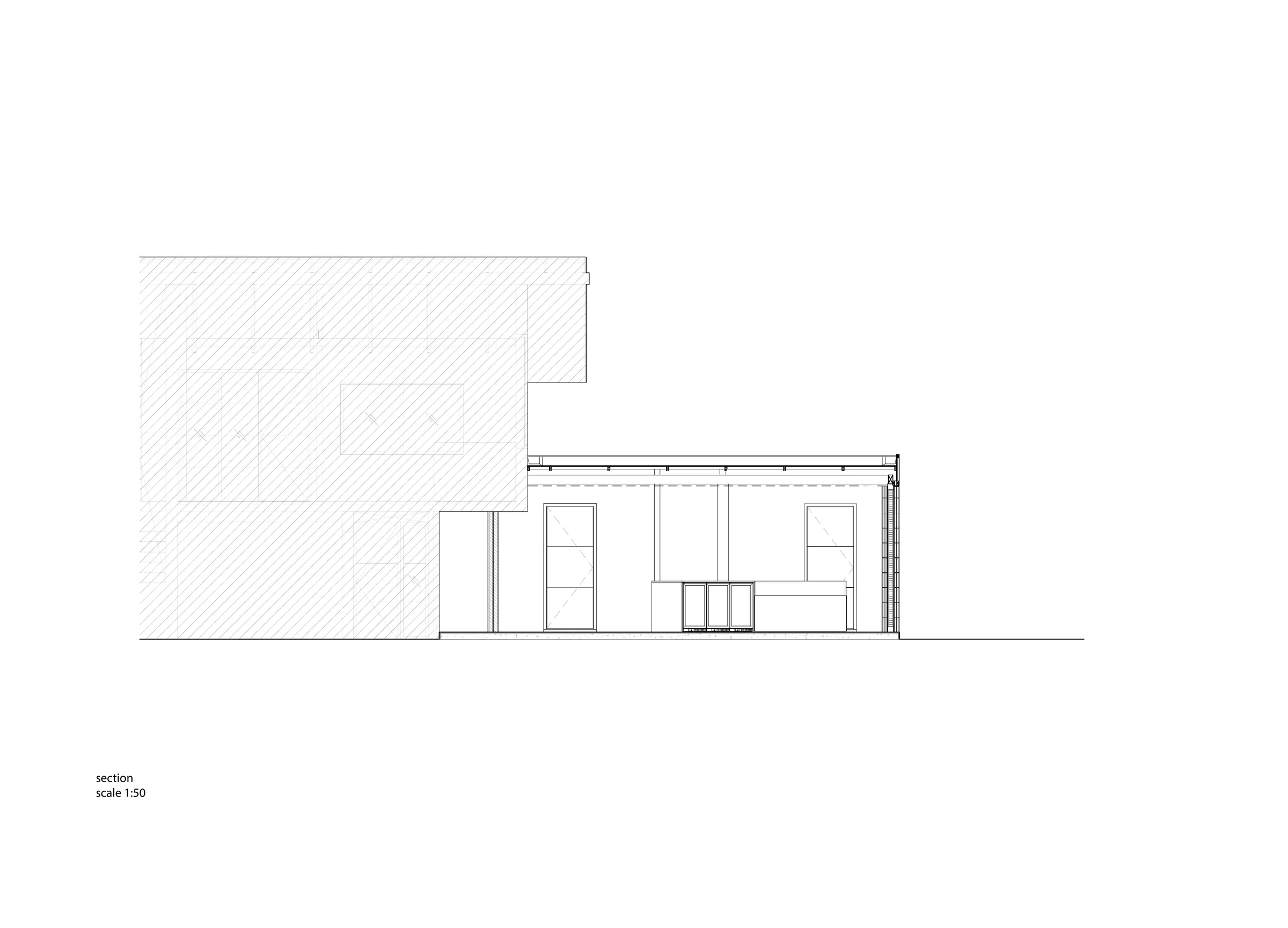
Natural light plays an important role in this working environment. Daylight fills the space throughout the day, improving visibility during the preparation and butchery process while supporting a sense of cleanliness, hygiene, and transparency. Instead of treating light only as an atmospheric element, the project considers it as part of how the space operates. The changing daylight also gives the working environment a different character throughout the day, reducing the separation between the practical functions of the butchery and the experience of the customer.
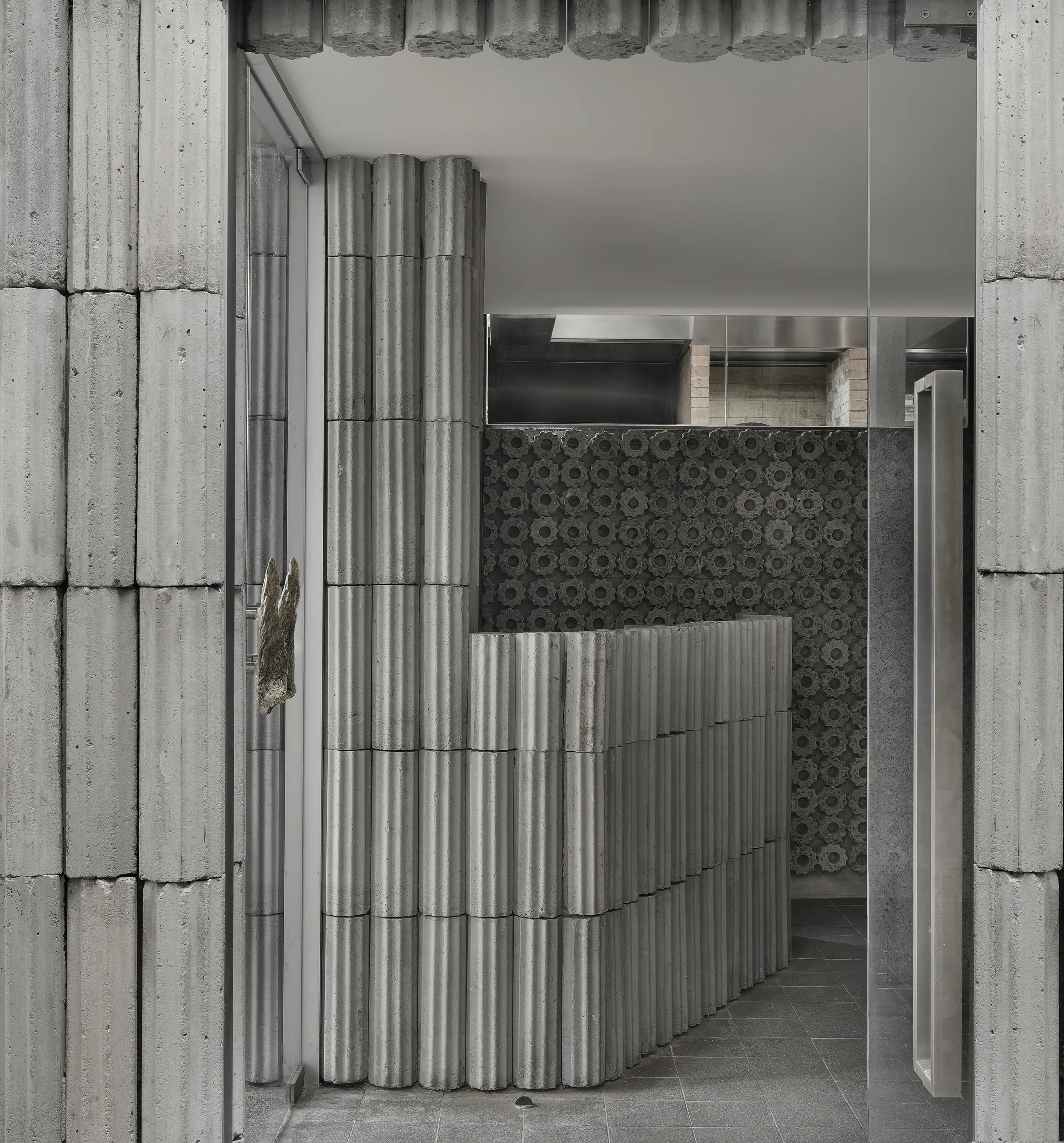
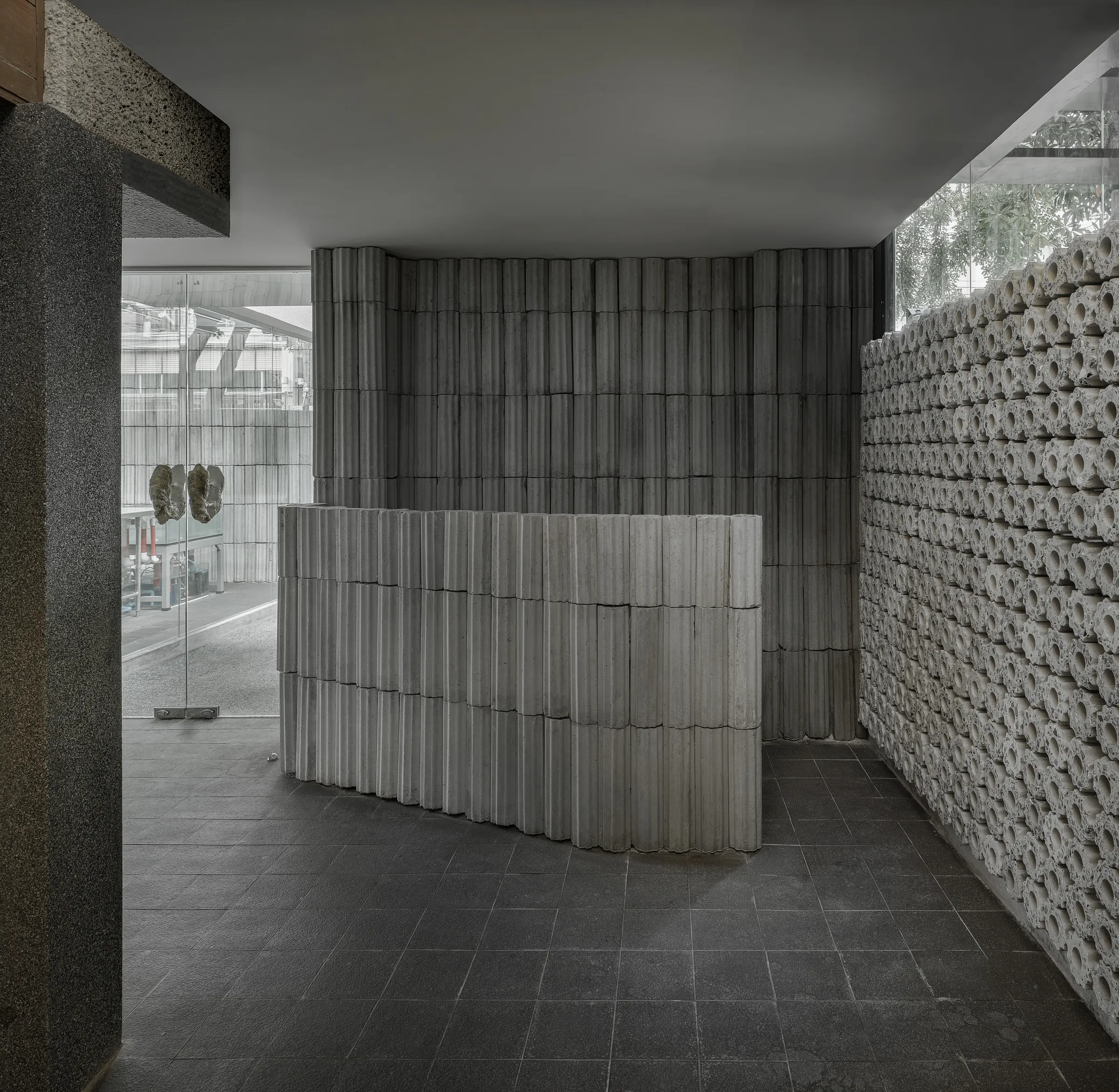
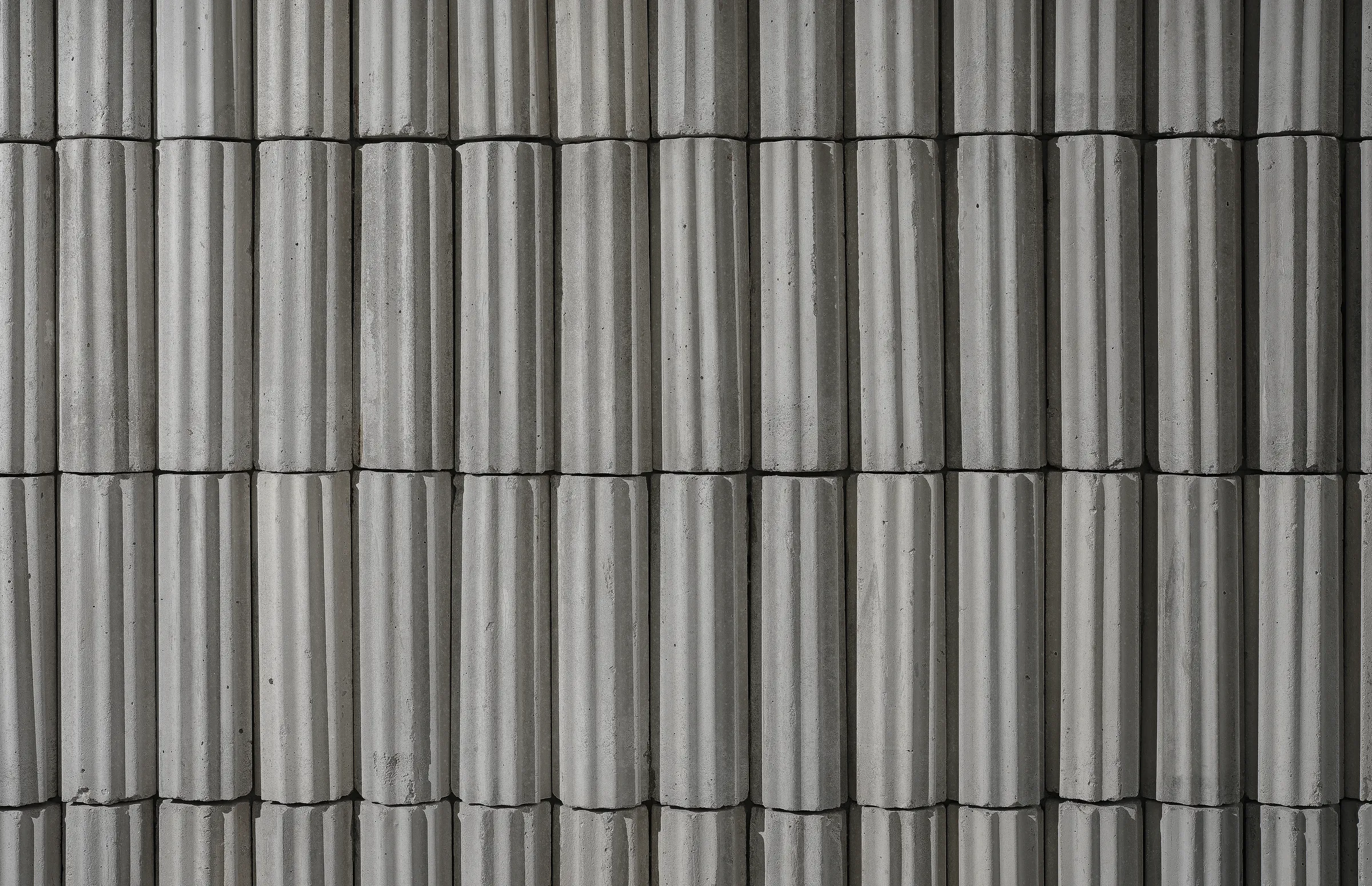
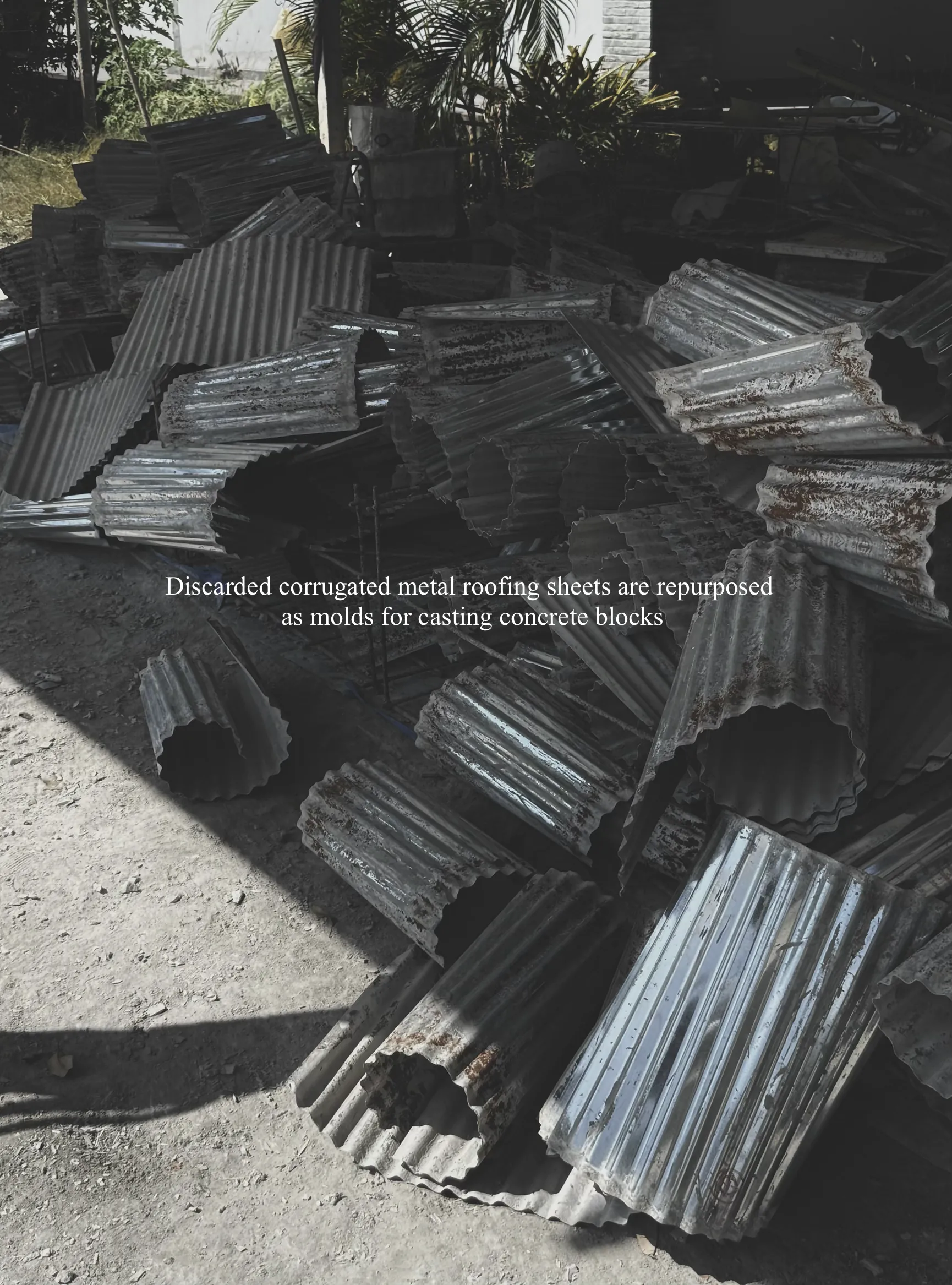
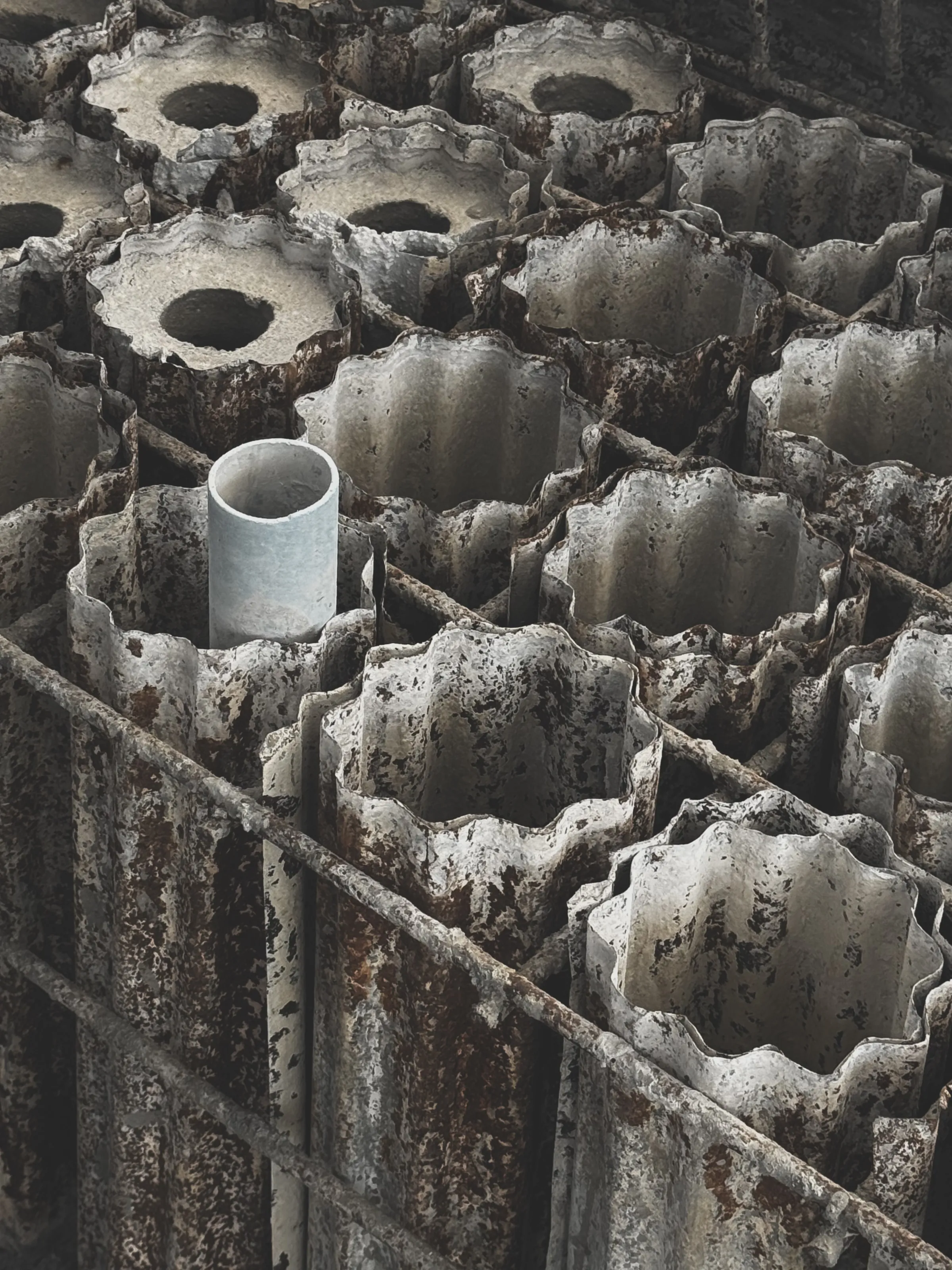
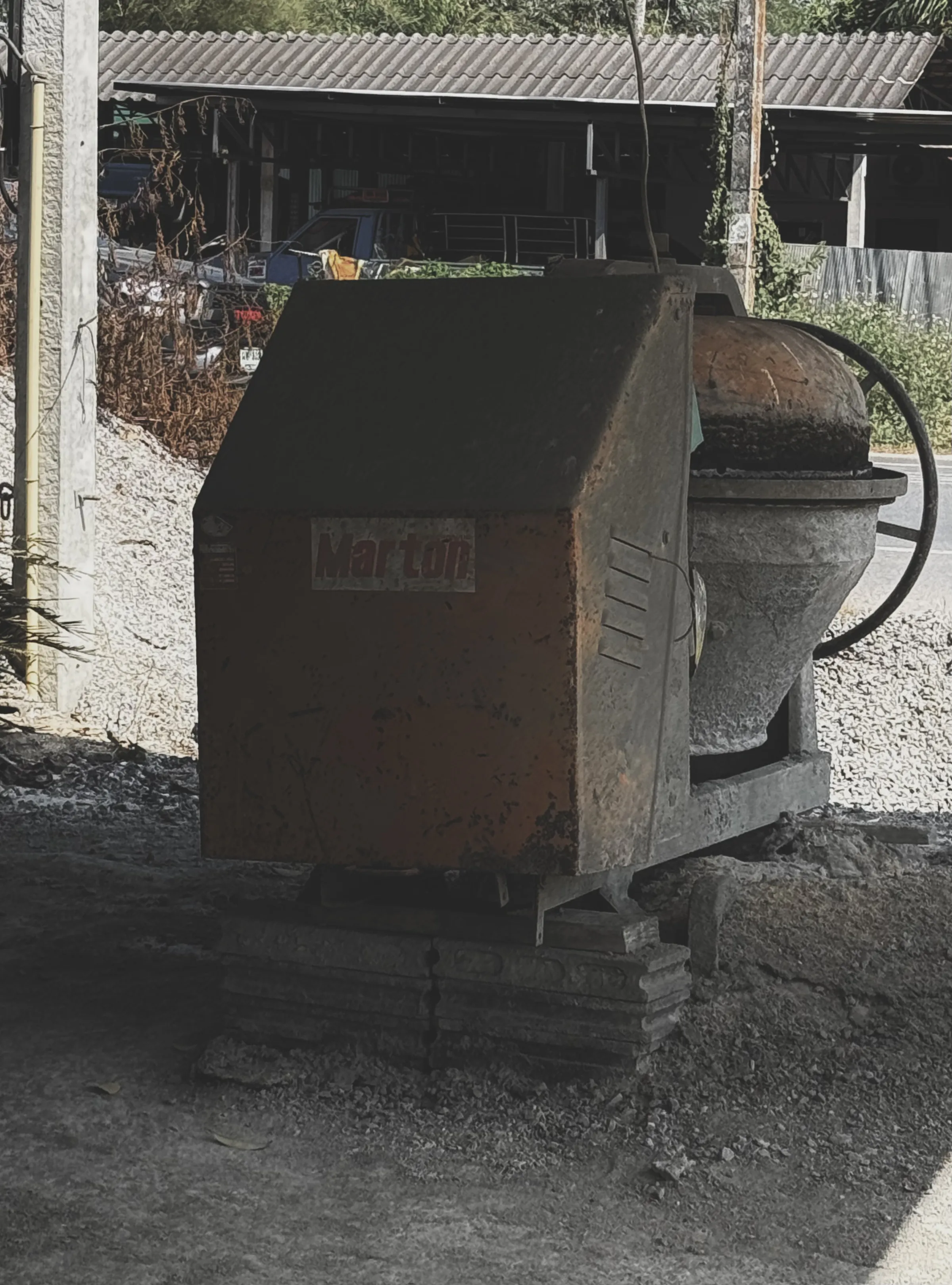
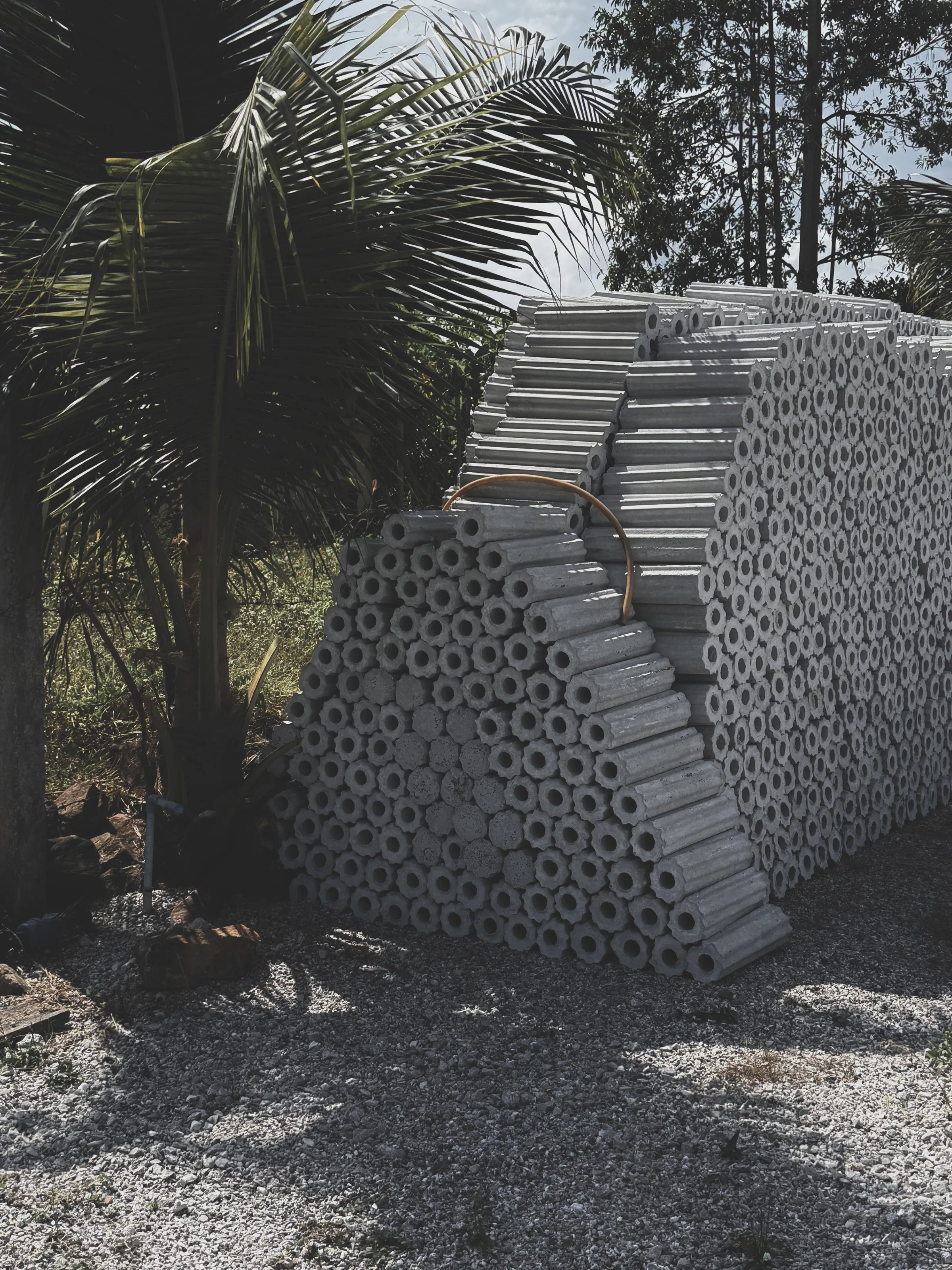
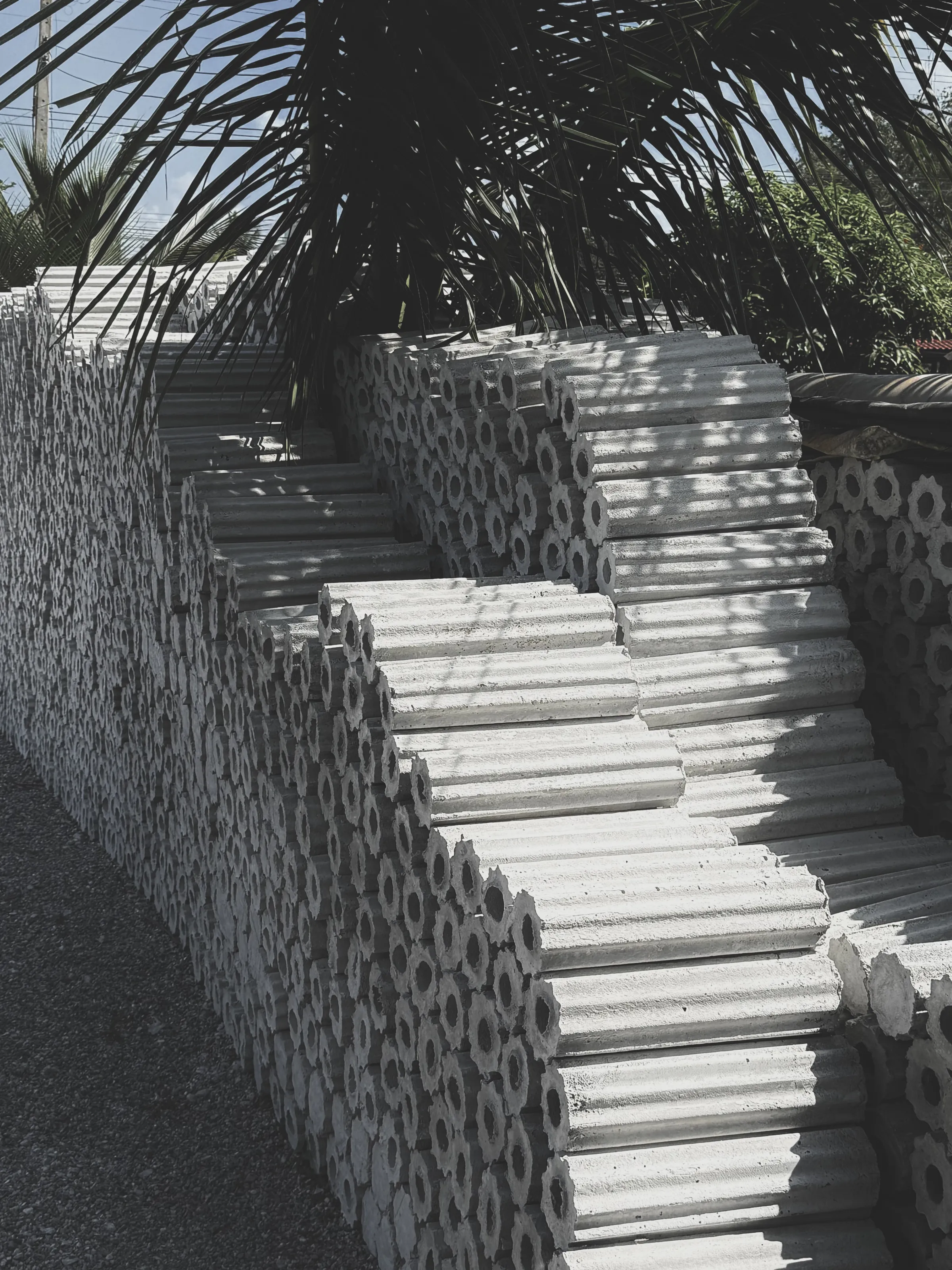
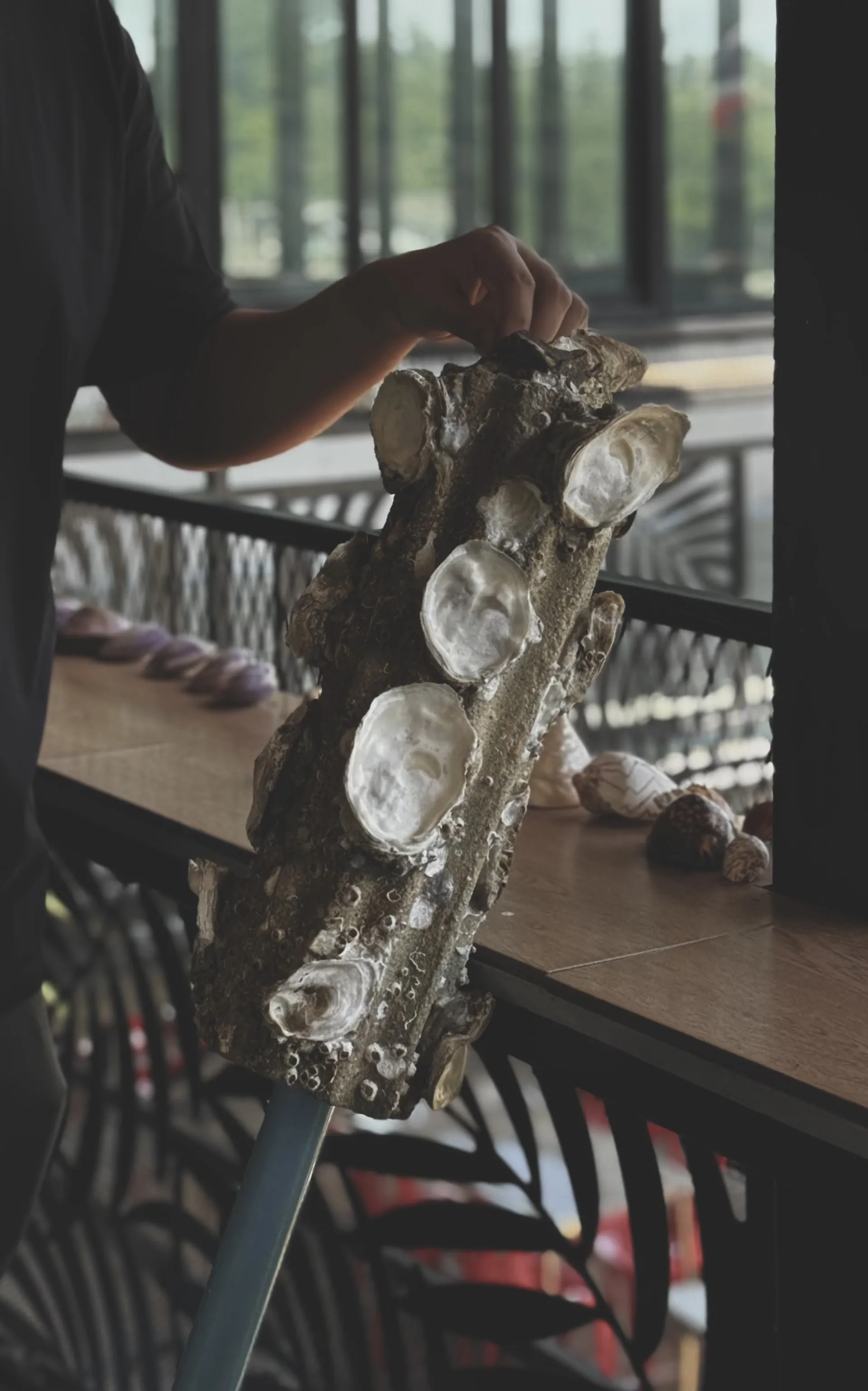
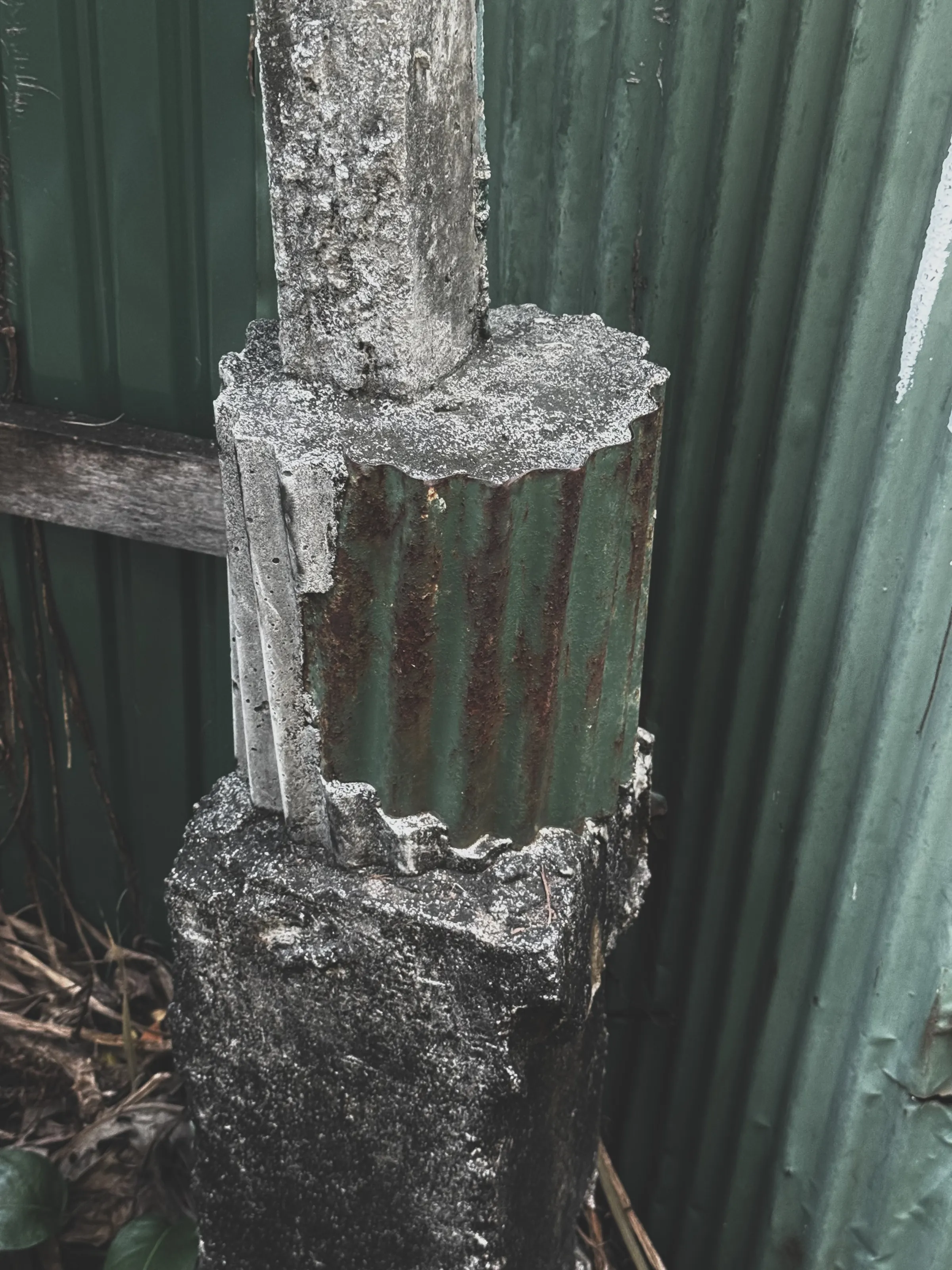
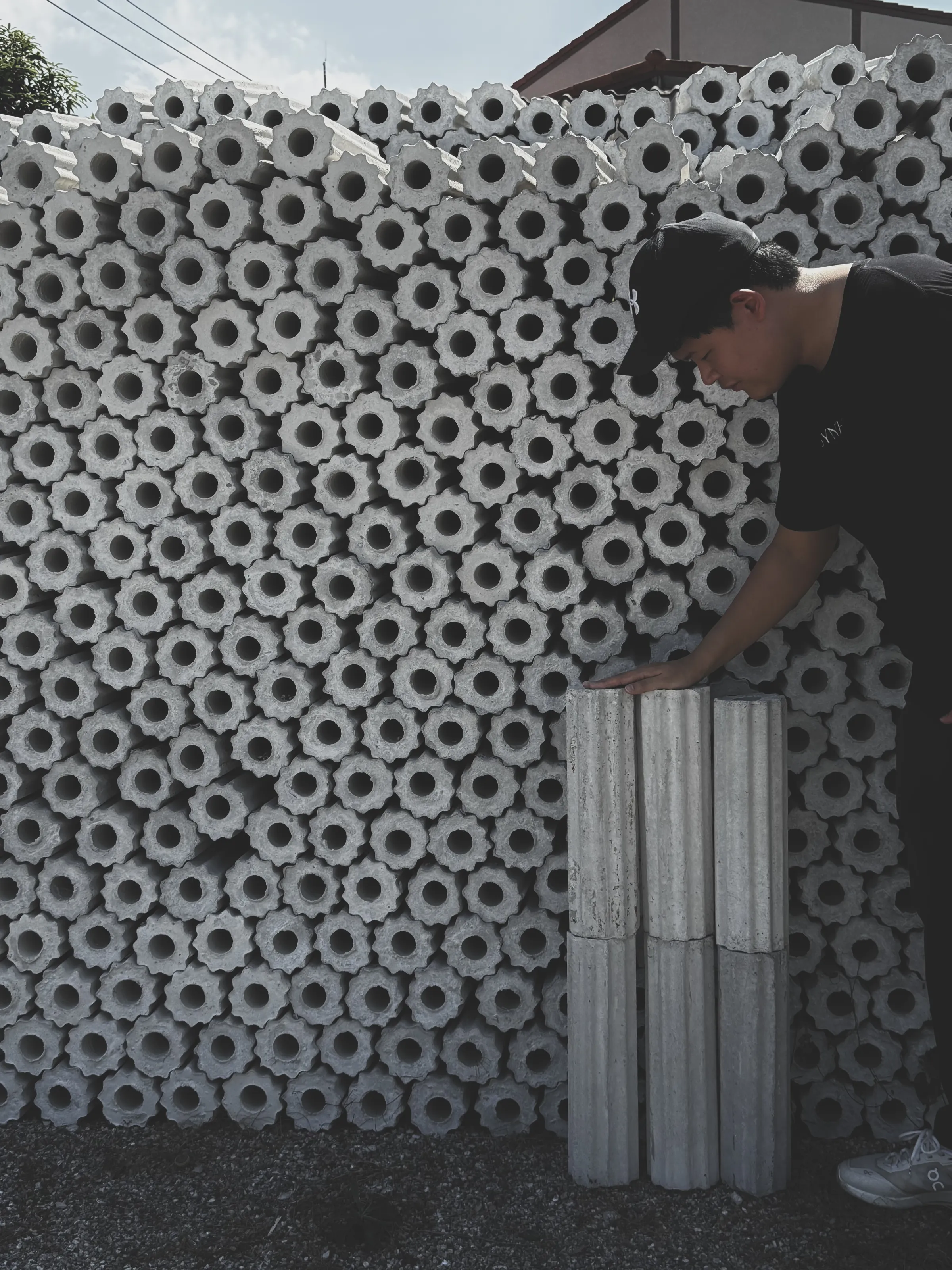
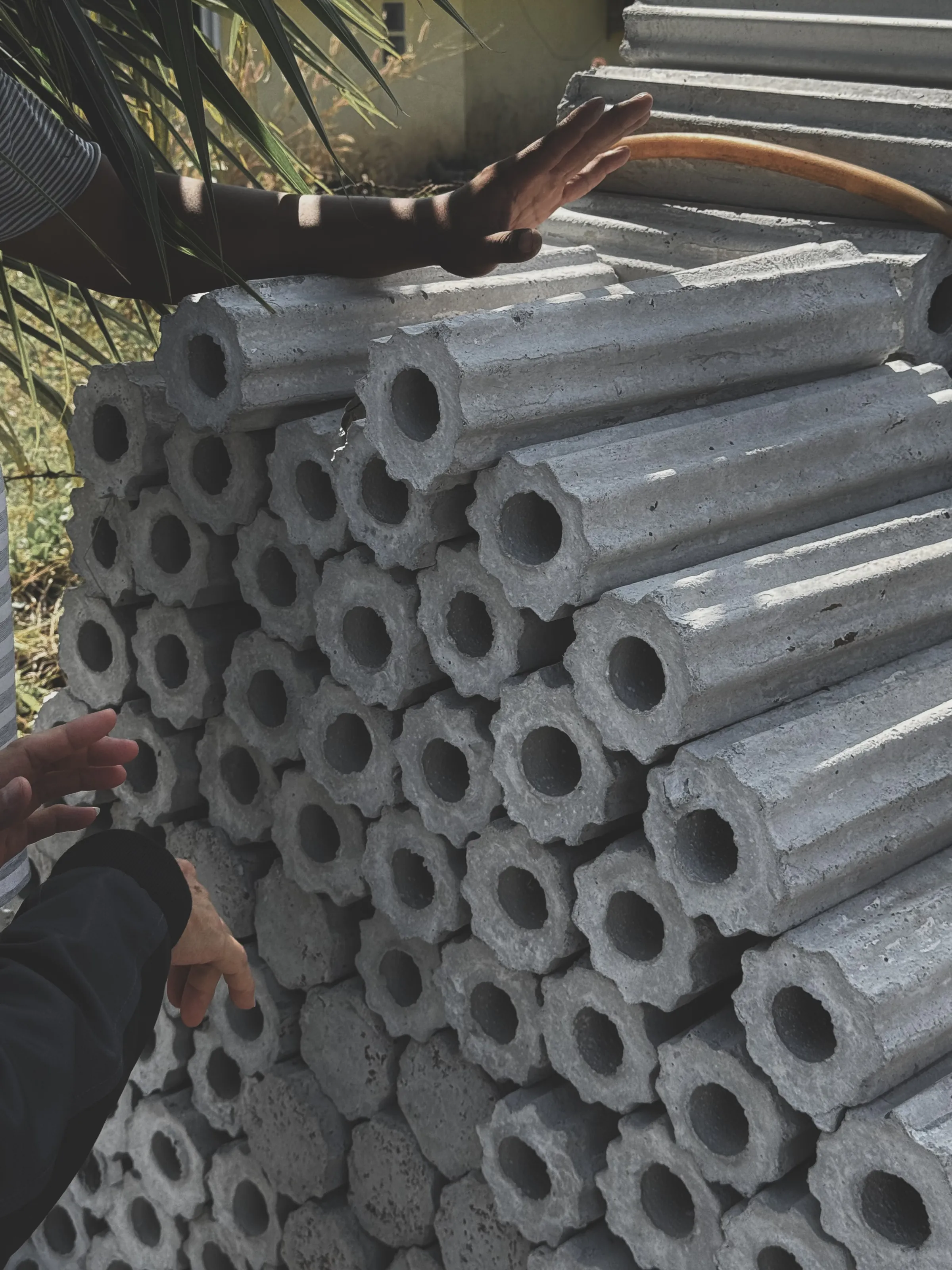
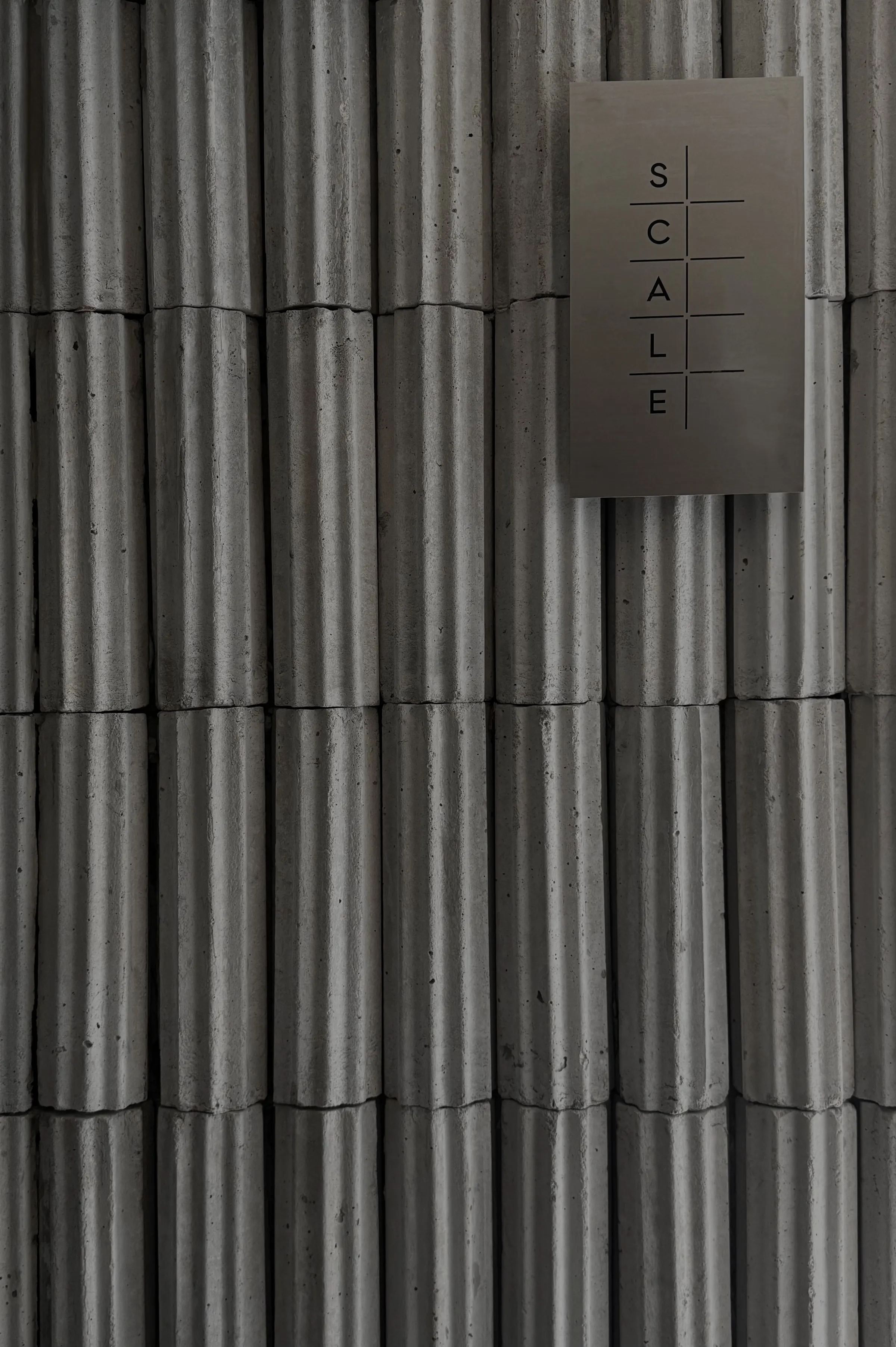
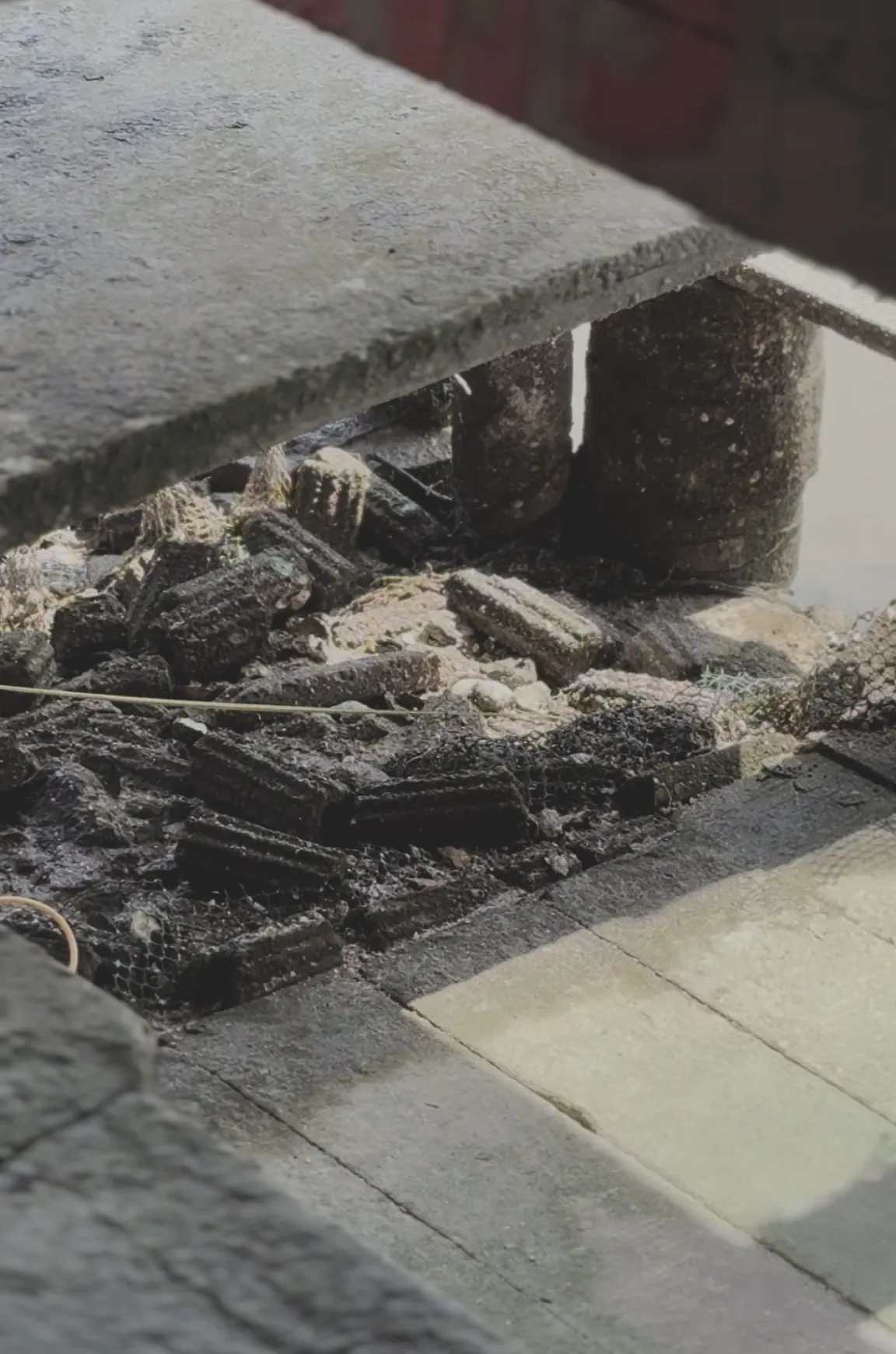
A key architectural element is a custom concrete block developed specifically for the project. Its design is inspired by fishing communities in Surat Thani, where discarded or repurposed metal sheets are used as simple molds to cast concrete blocks. These locally made blocks can be found in everyday construction throughout fishing villages, while similar concrete elements are also used as practical tools within oyster farming. The project takes this ordinary method of making as a starting point rather than directly transporting the material from the south.
The block is reinterpreted and produced in Bangkok using locally available materials and fabrication methods. This reduces unnecessary transportation while maintaining a connection to the place where the seafood originates. The material therefore carries two contexts at once: the fishing communities of Surat Thani and the urban environment of Bangkok. Its repeated use throughout the project creates a distinct architectural language while remaining connected to an everyday construction technique.
The project continues beyond the enclosed butchery into an outdoor seafood bar. Seafood prepared inside is cooked and served directly outside, allowing the process to move naturally from preparation to consumption. The outdoor area creates a more informal extension of the working space, where customers can experience the product close to where it is handled and prepared.
Through this relationship between material, daylight, working process, and food, Scale connects Bangkok with the fishing communities where its seafood originates. The project brings origin, preparation, distribution, and consumption together as one continuous experience, using architecture to make each stage of that journey visible.