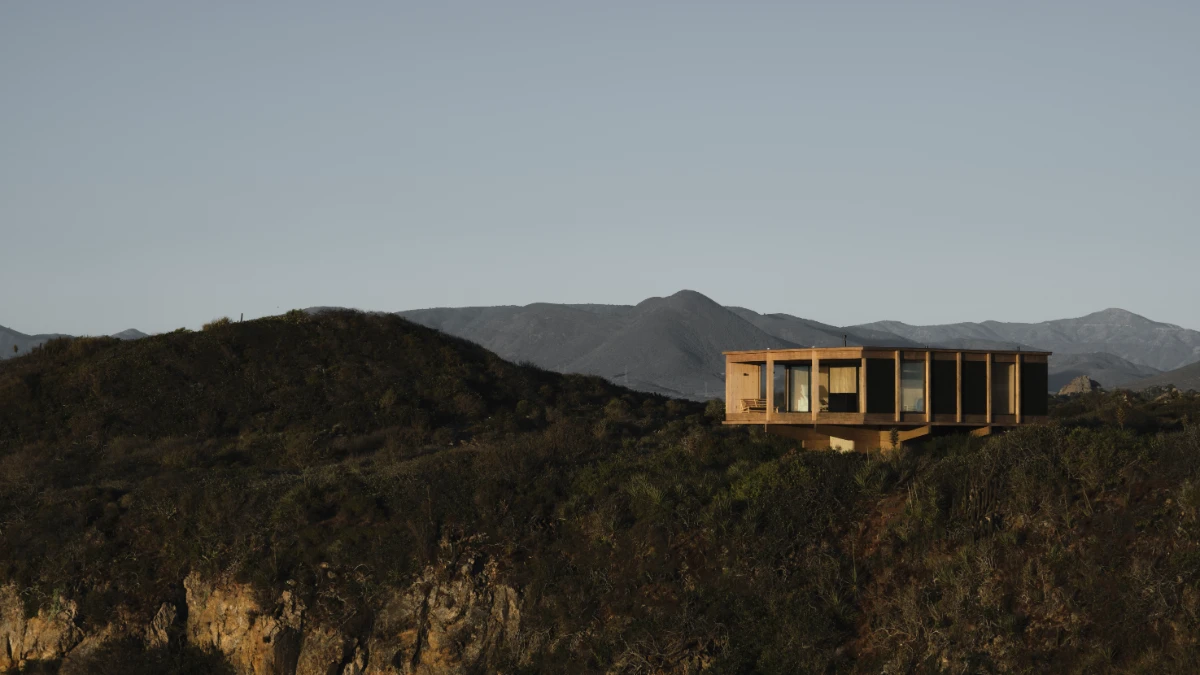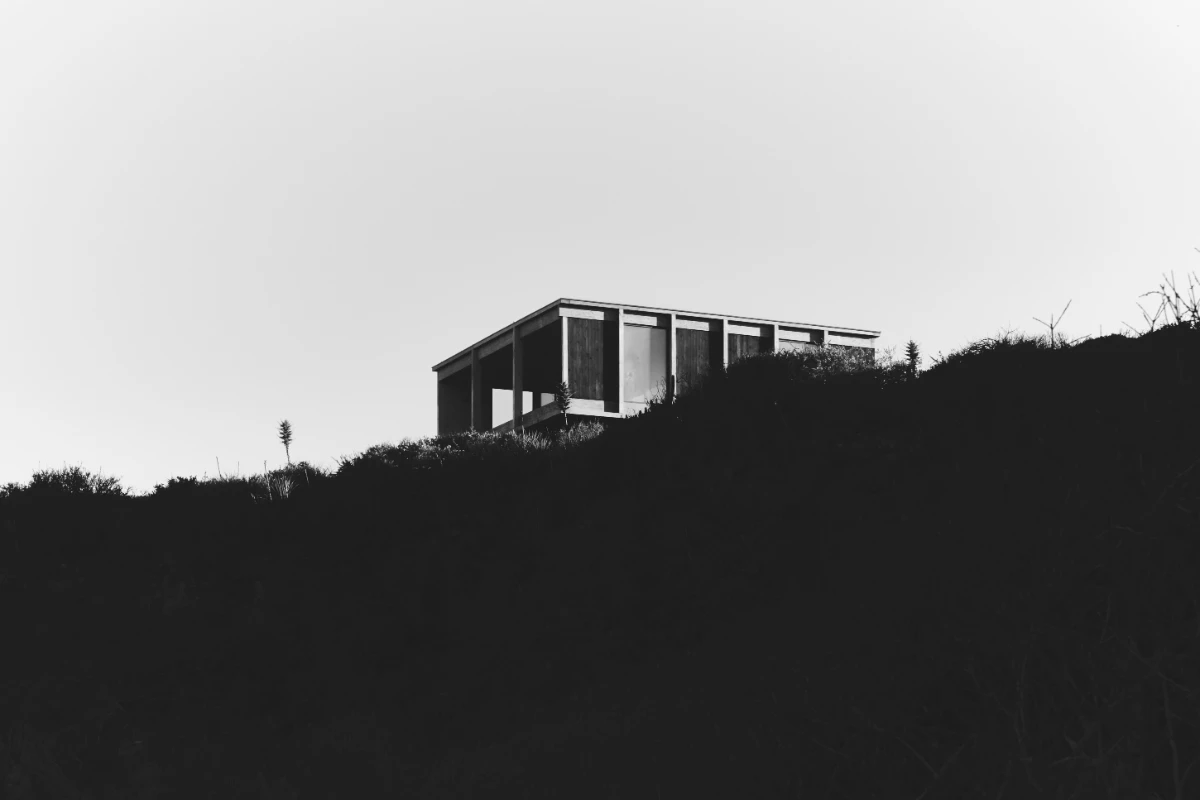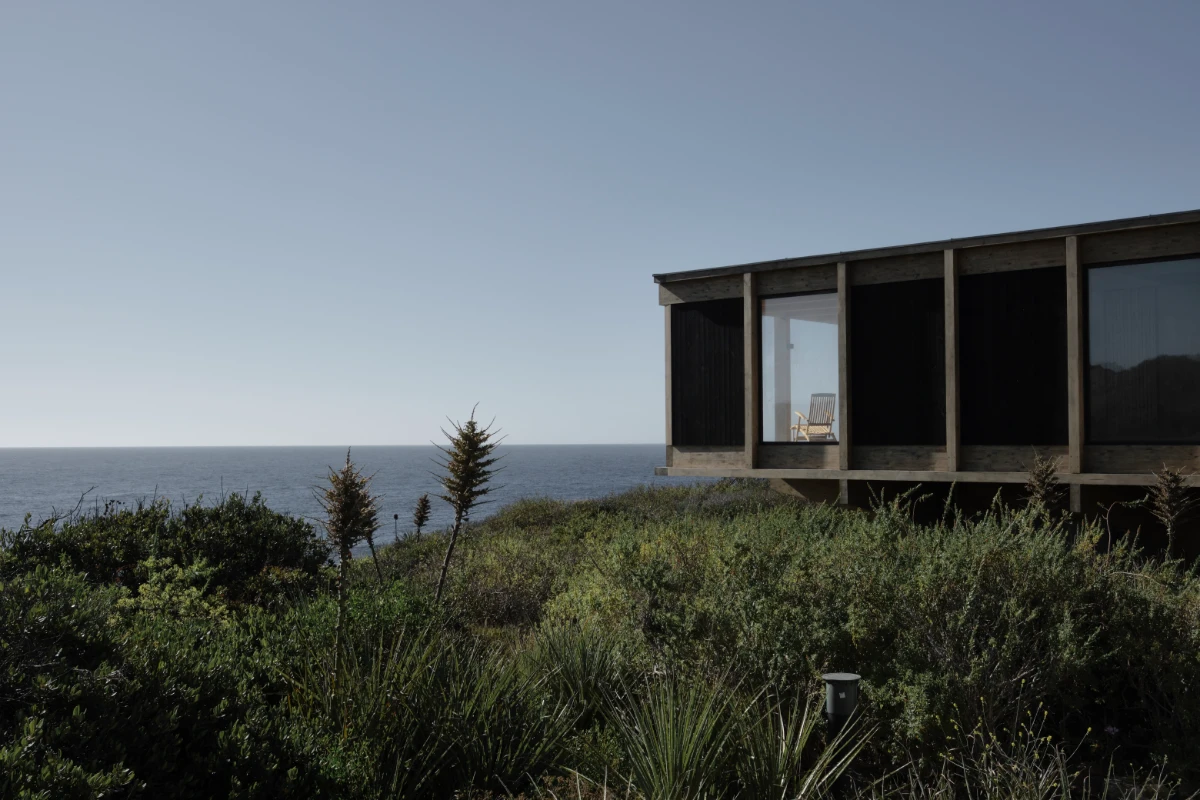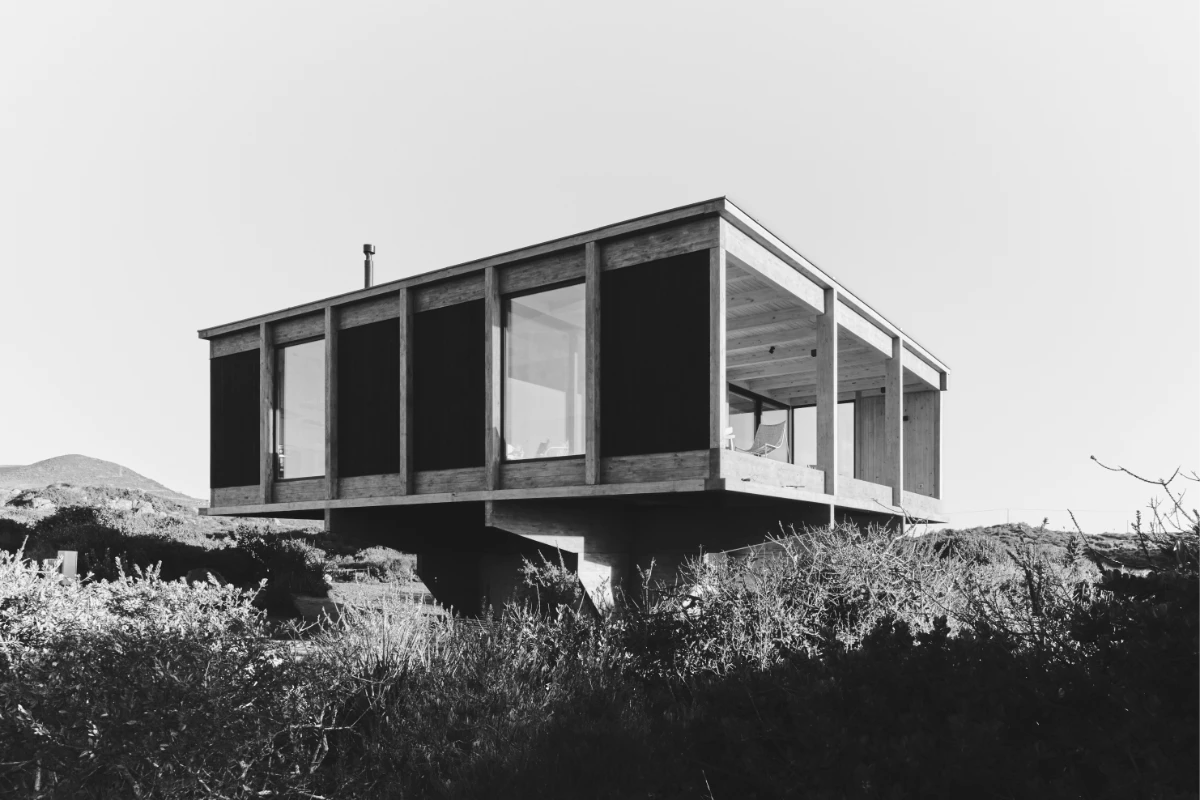
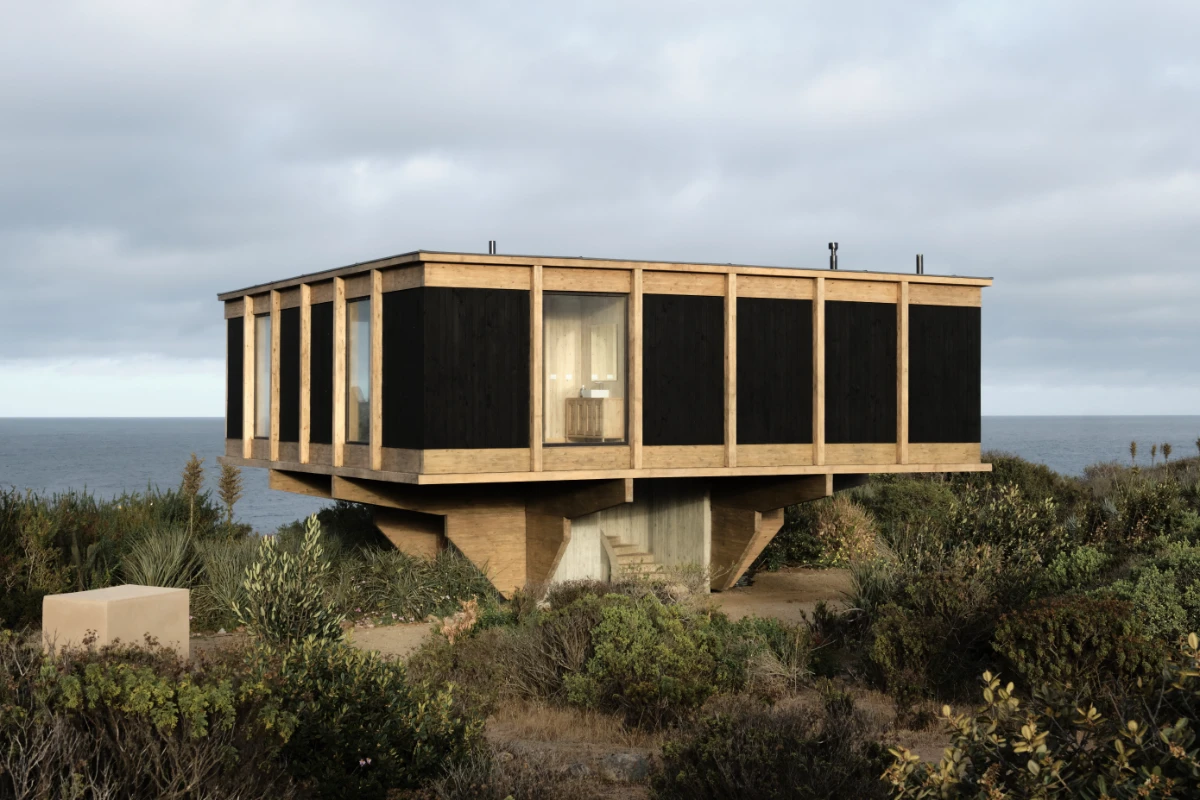
The project is located along the coastal edge of Punta Hueso, in the Coquimbo region of Chile—an environment characterized by rugged shorelines, rocky outcrops, and the low-to-medium height vegetation typical of the country’s “Norte Chico” zone.
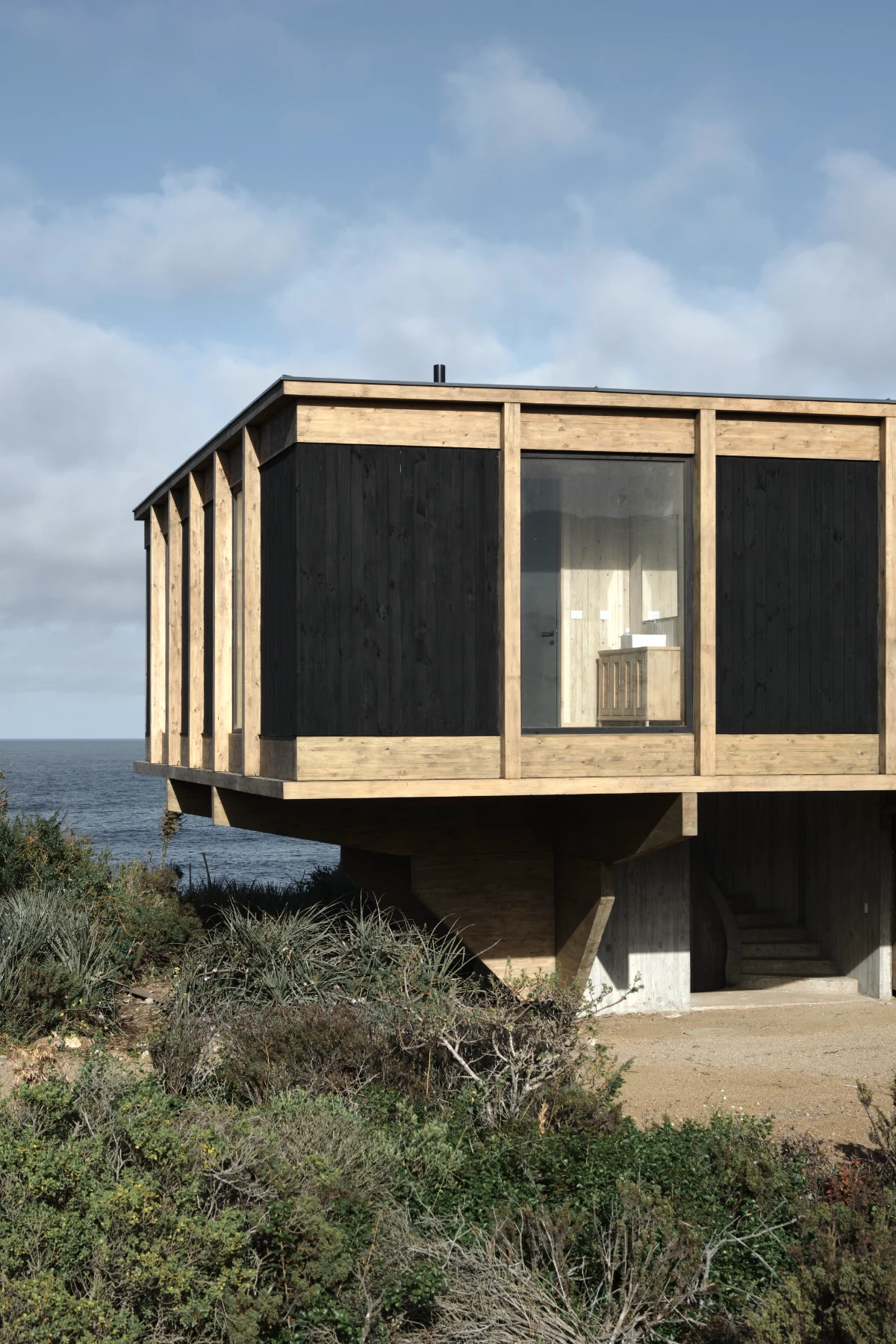
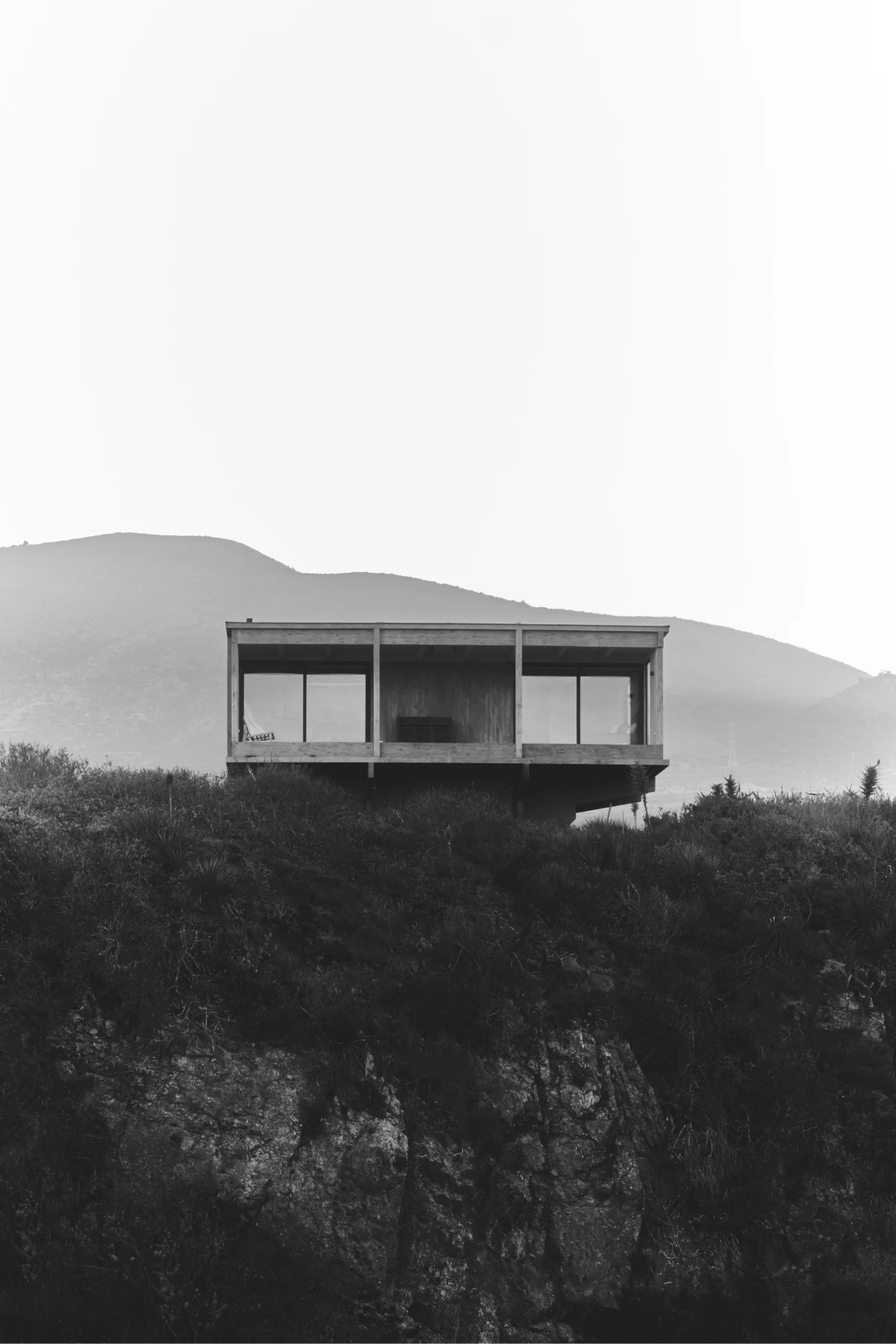
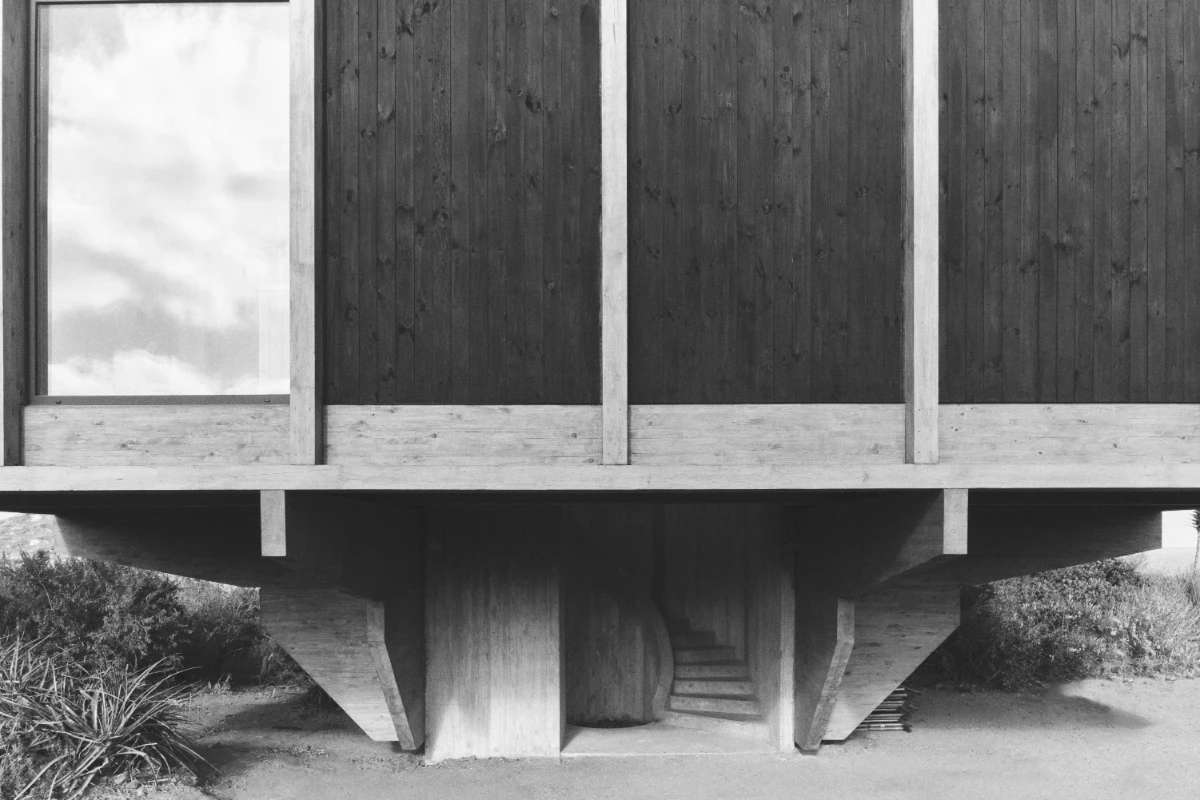
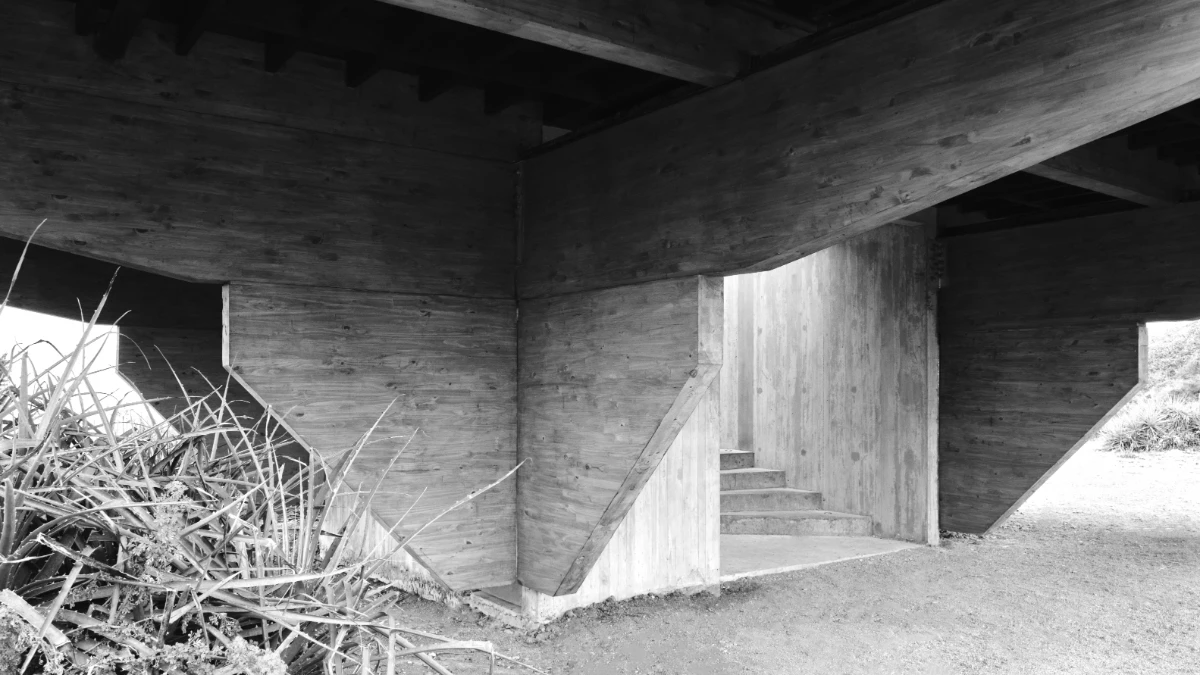
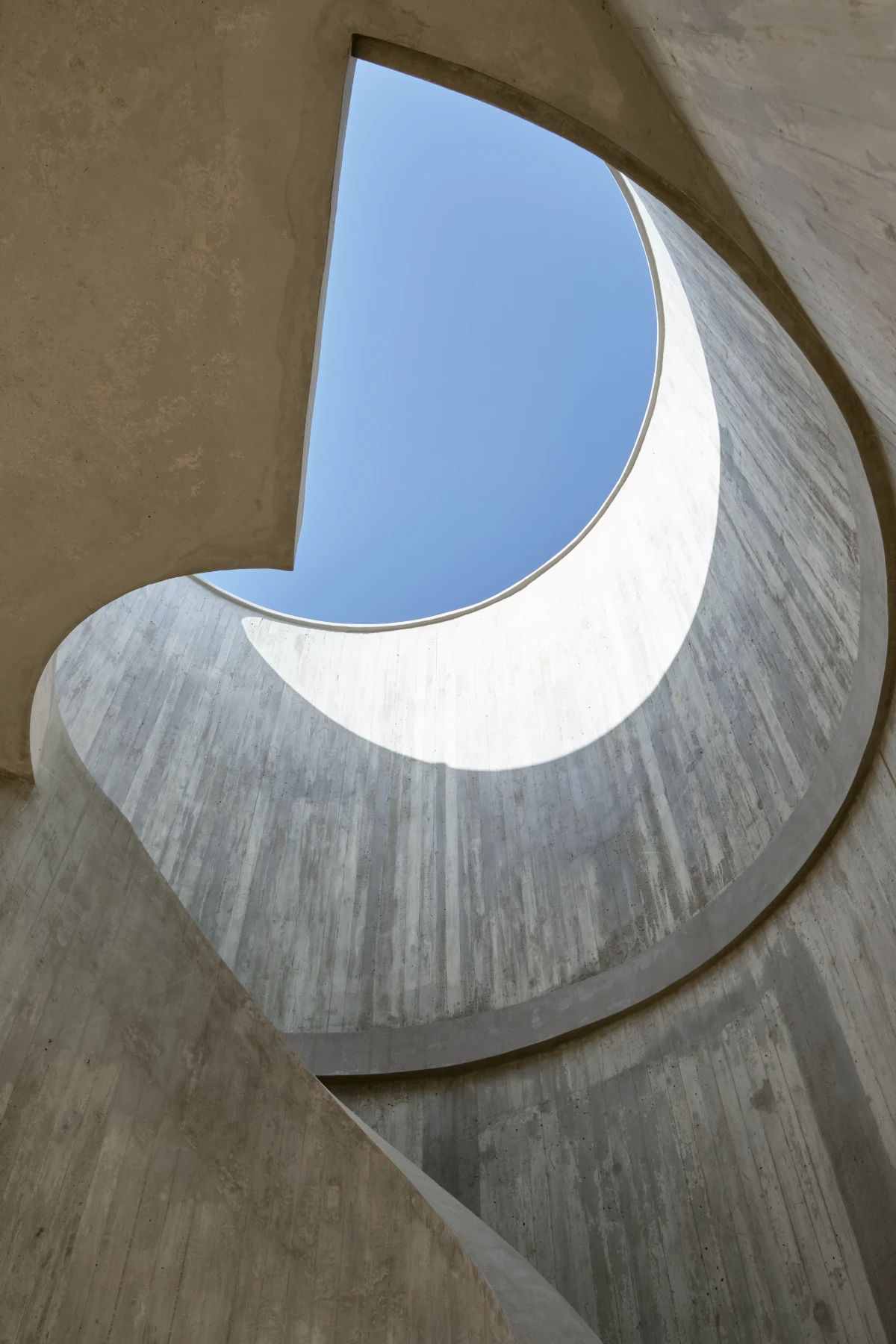
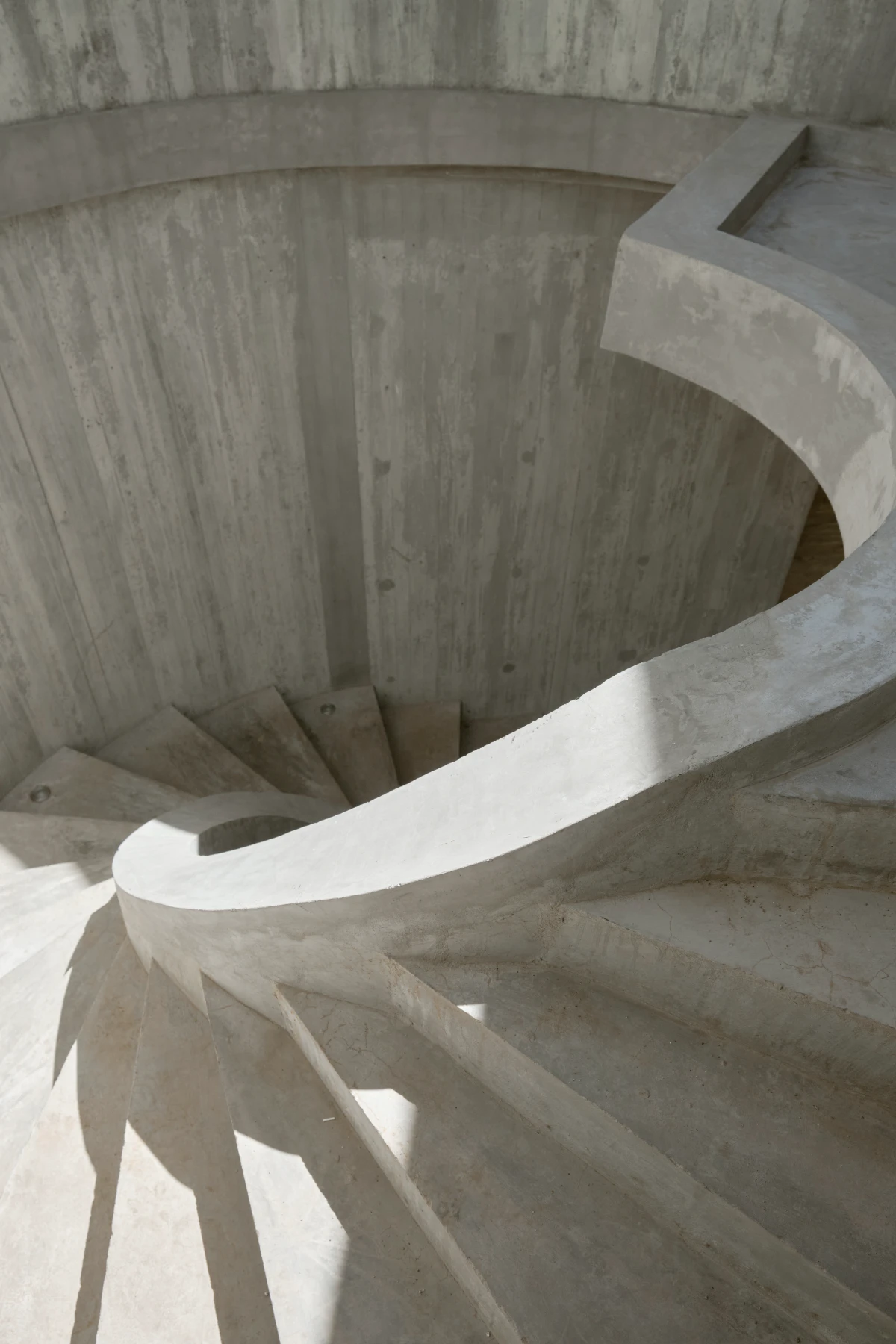
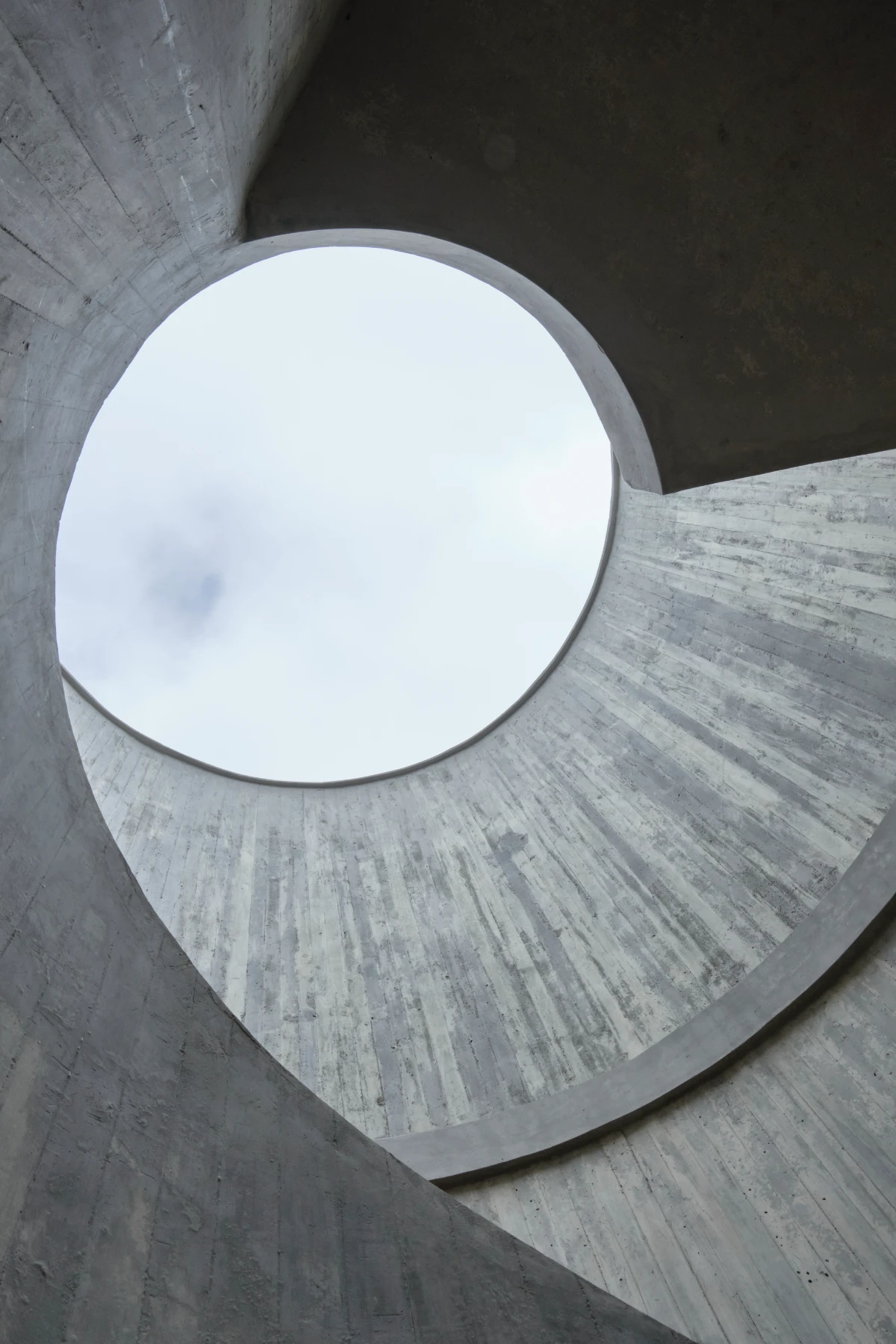
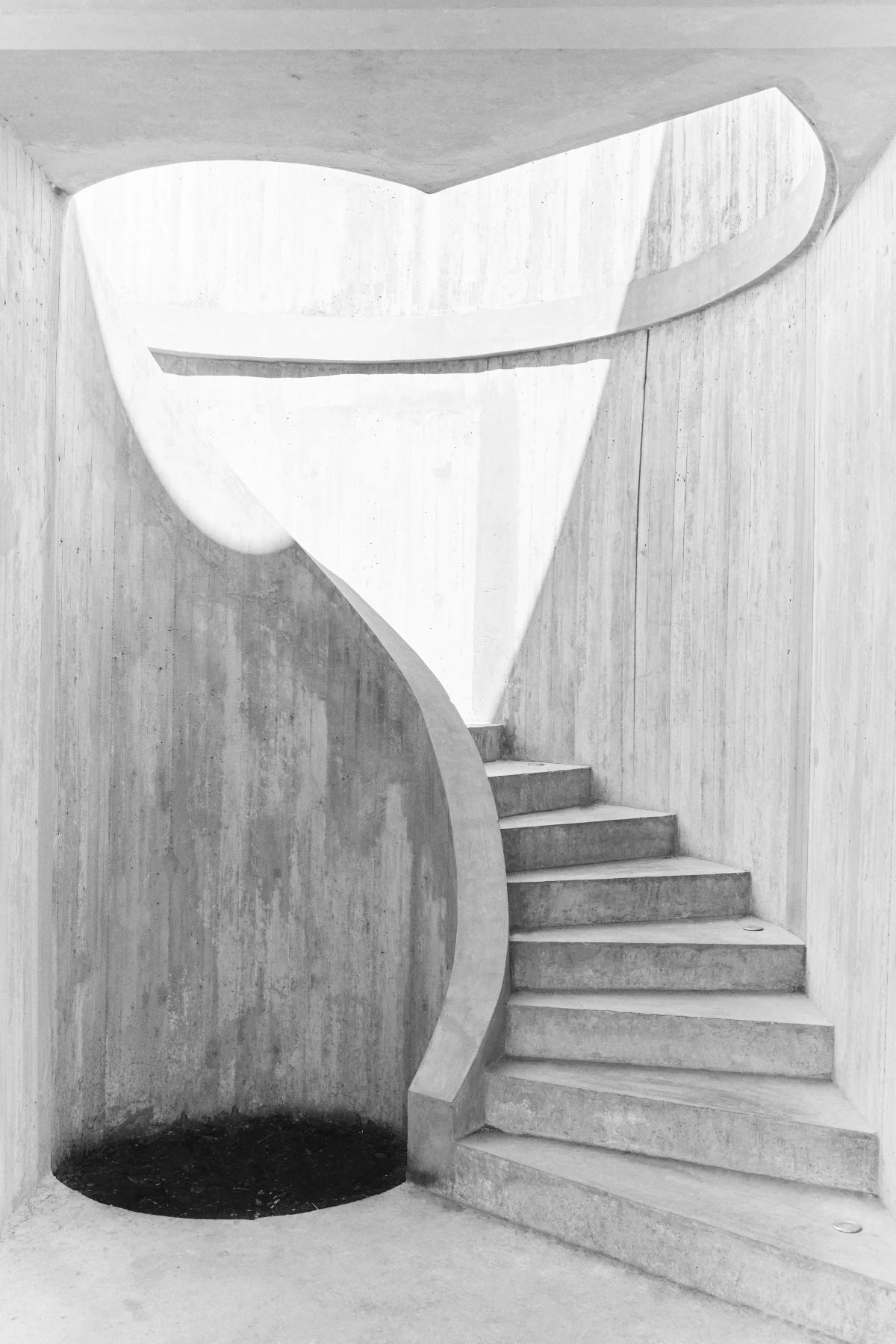
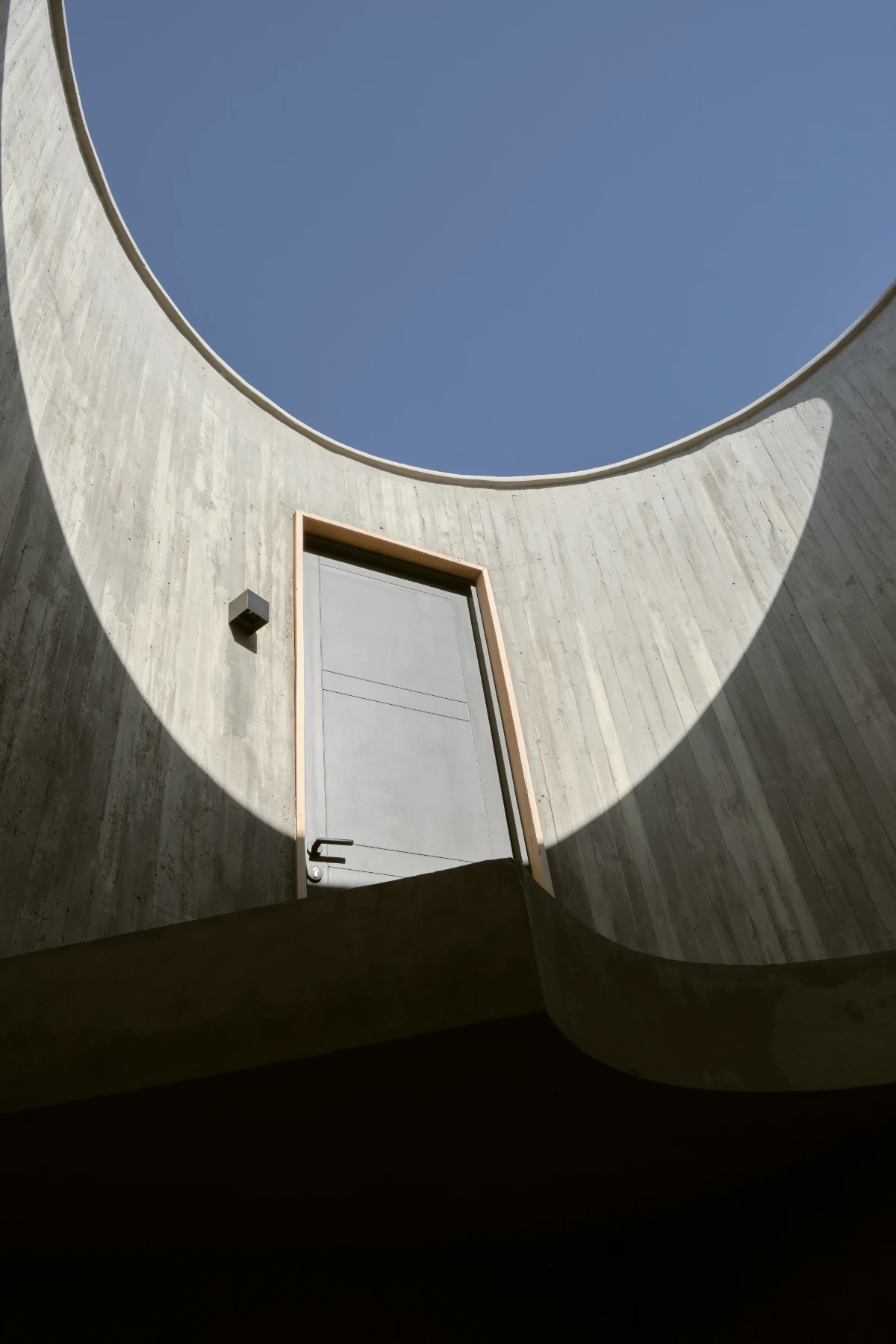
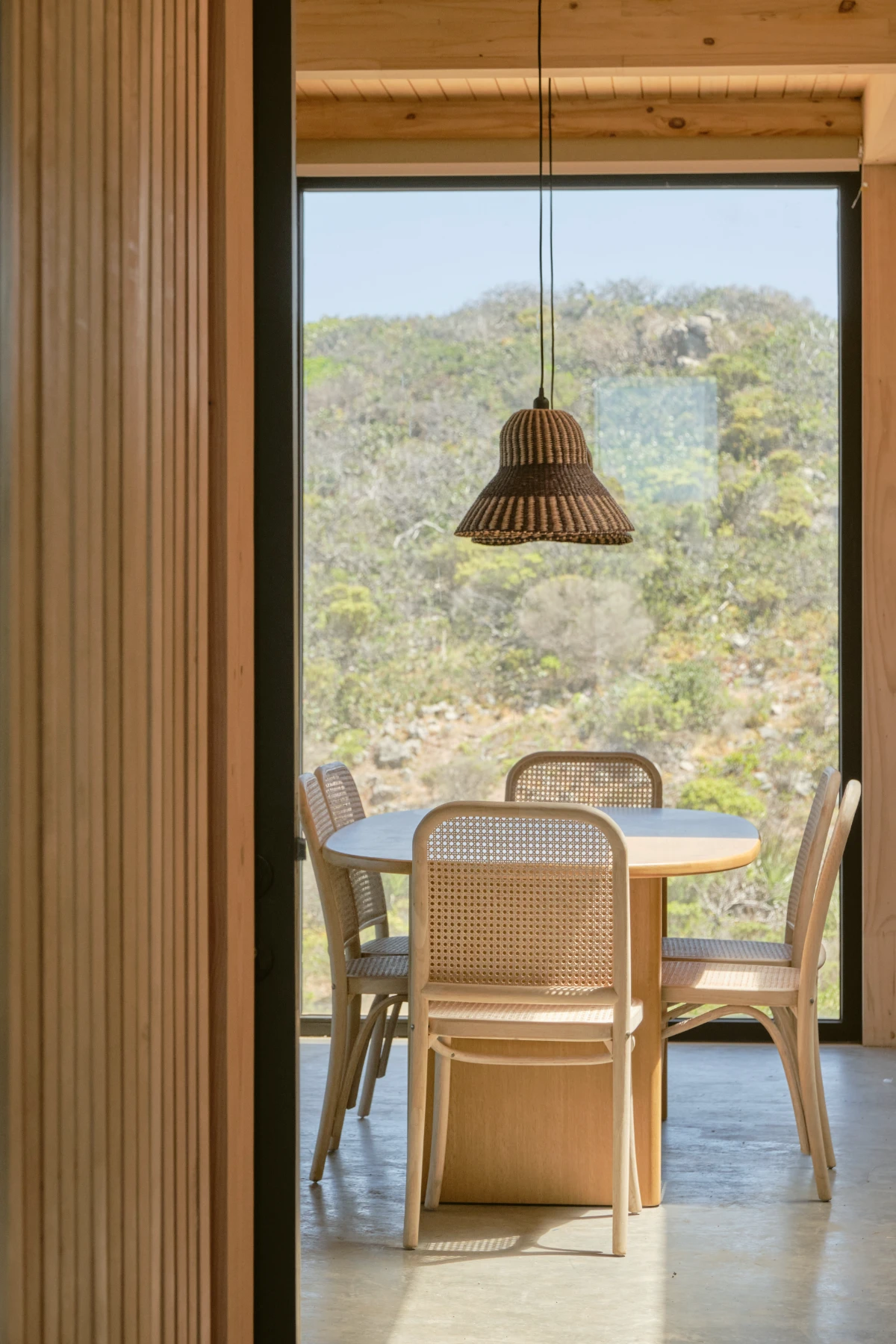
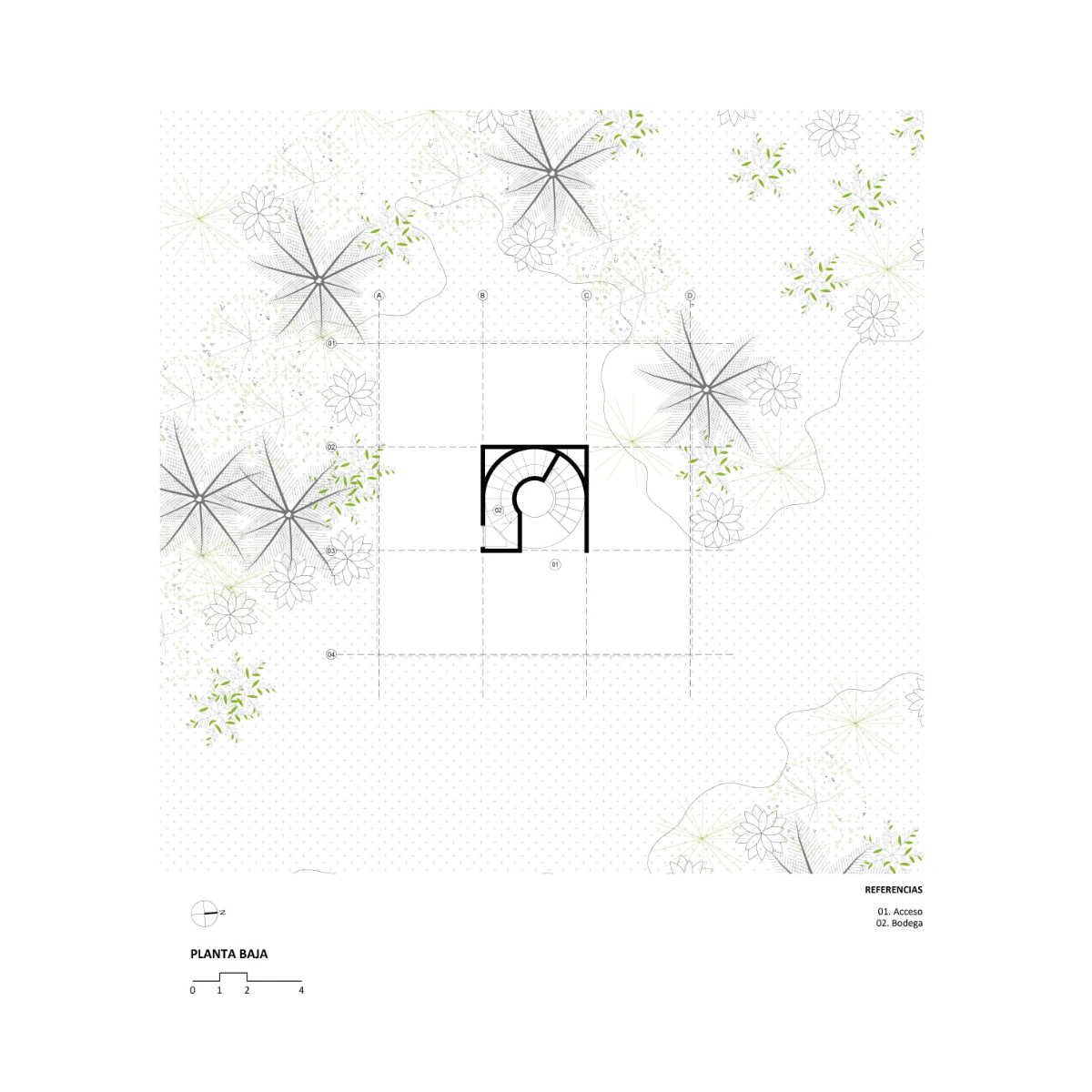
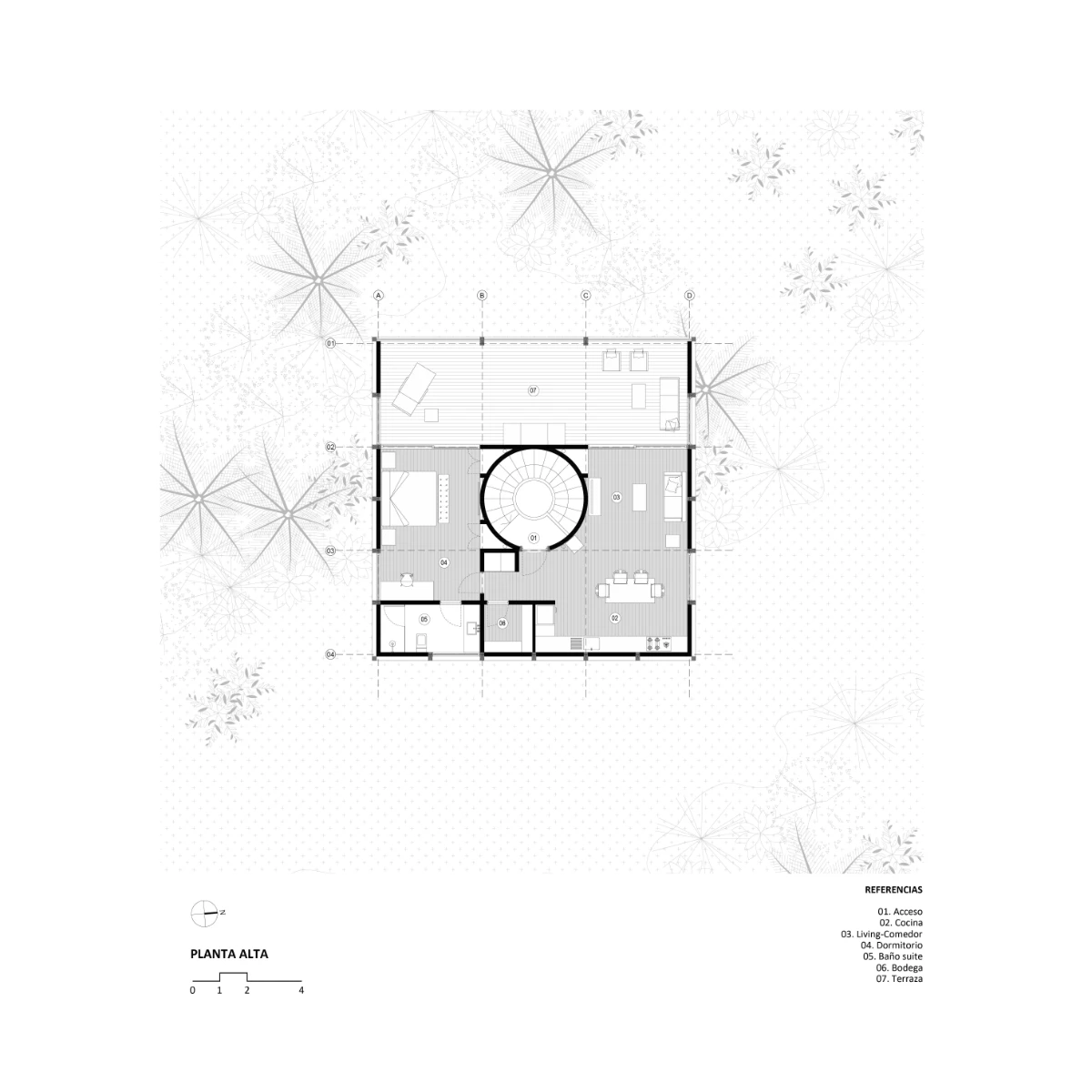
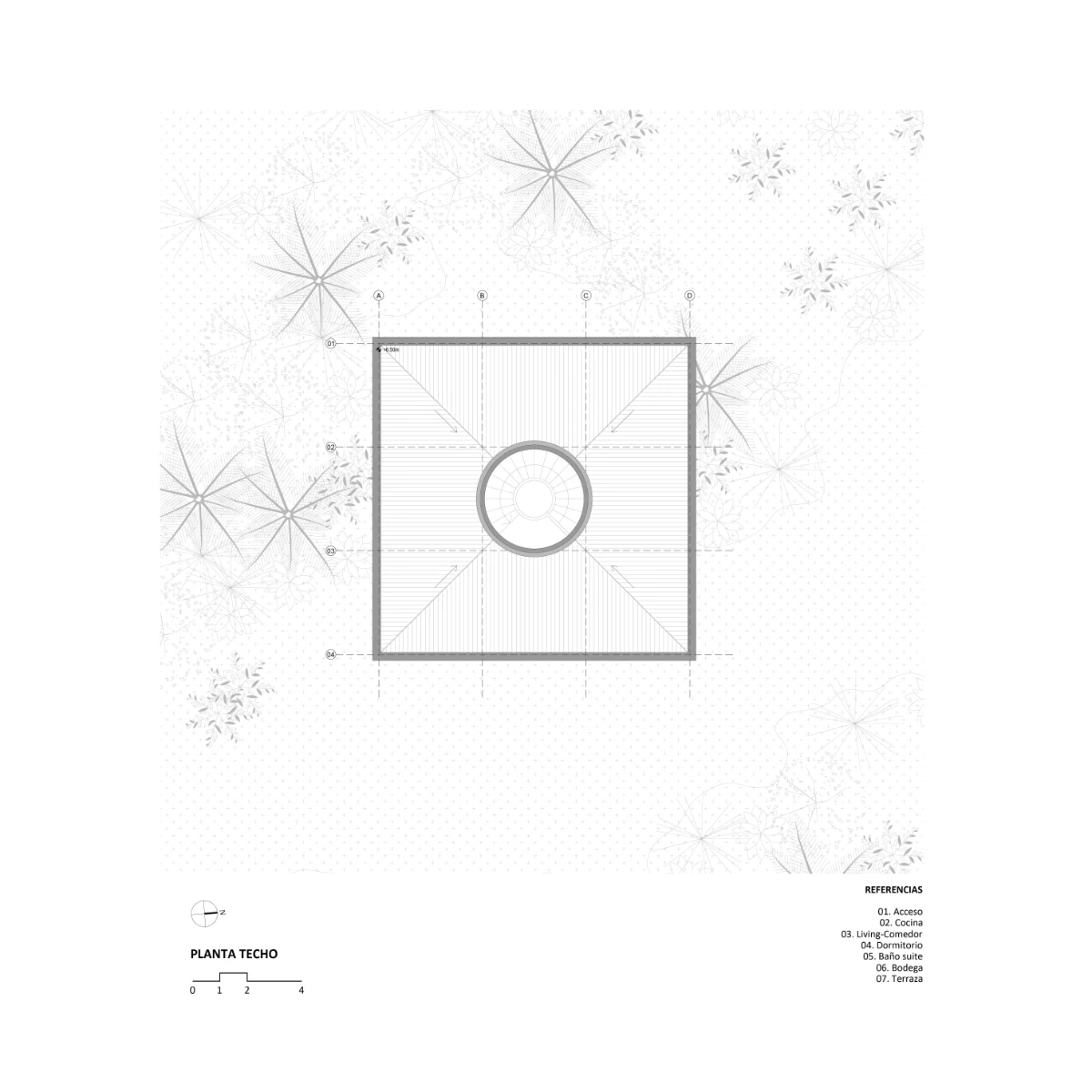
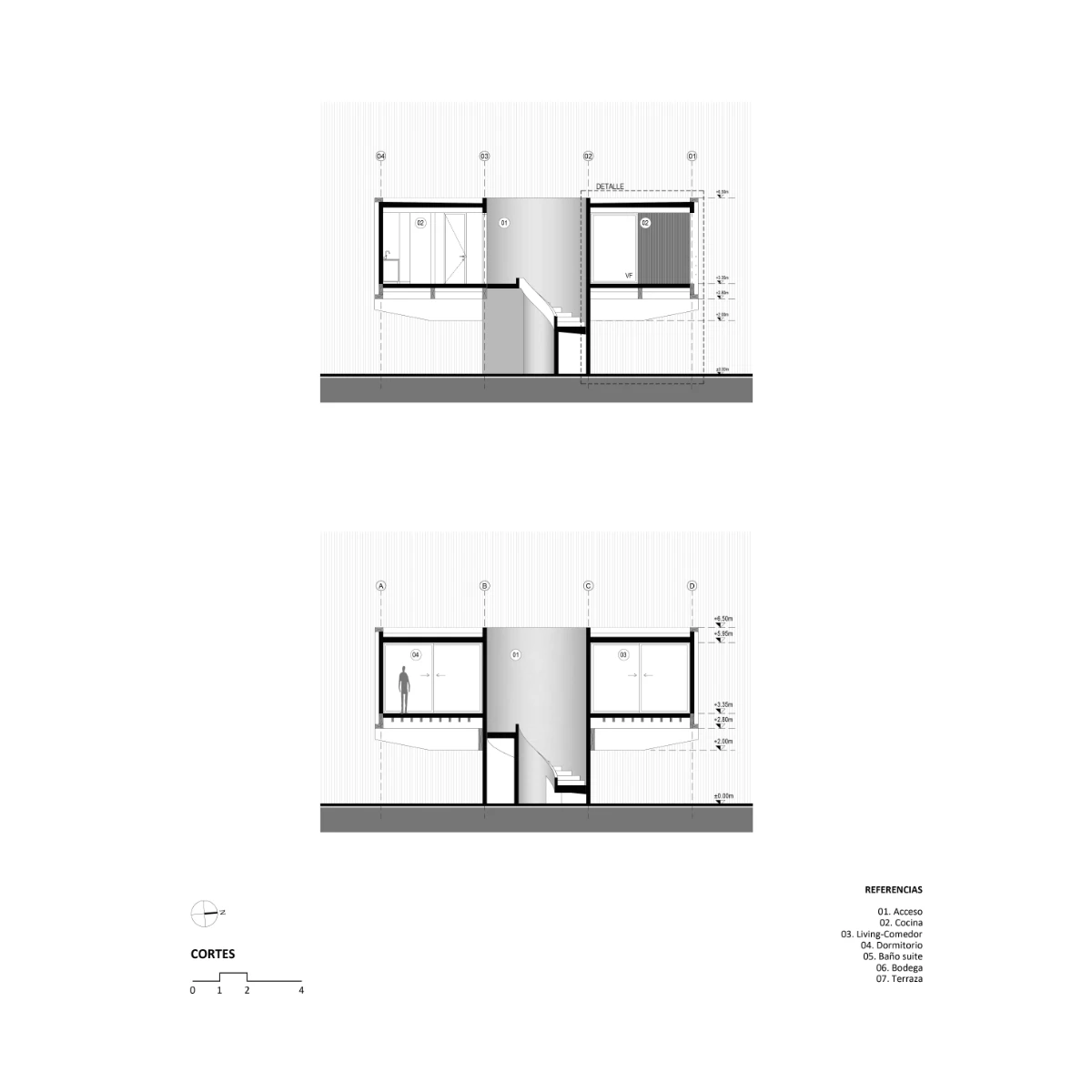
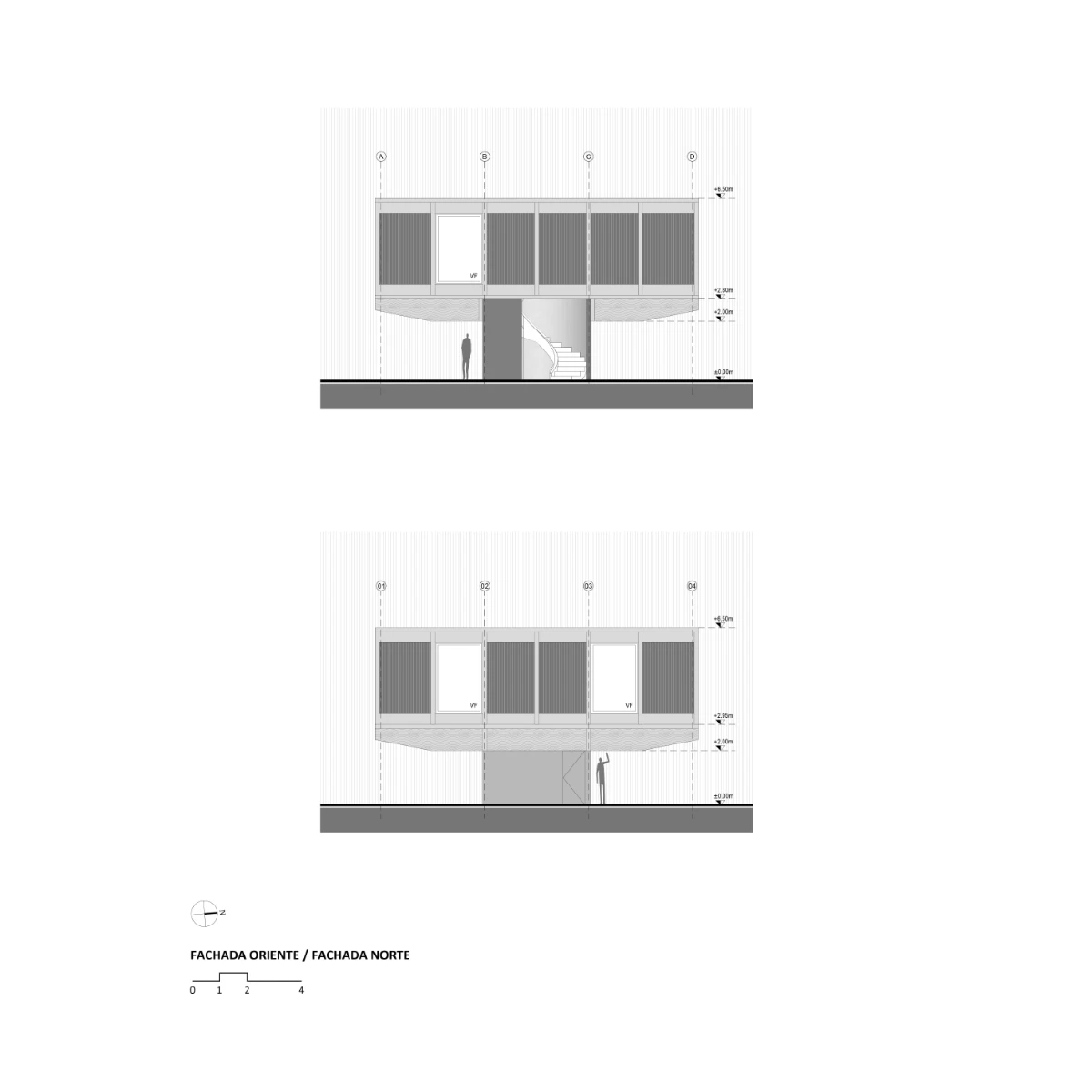
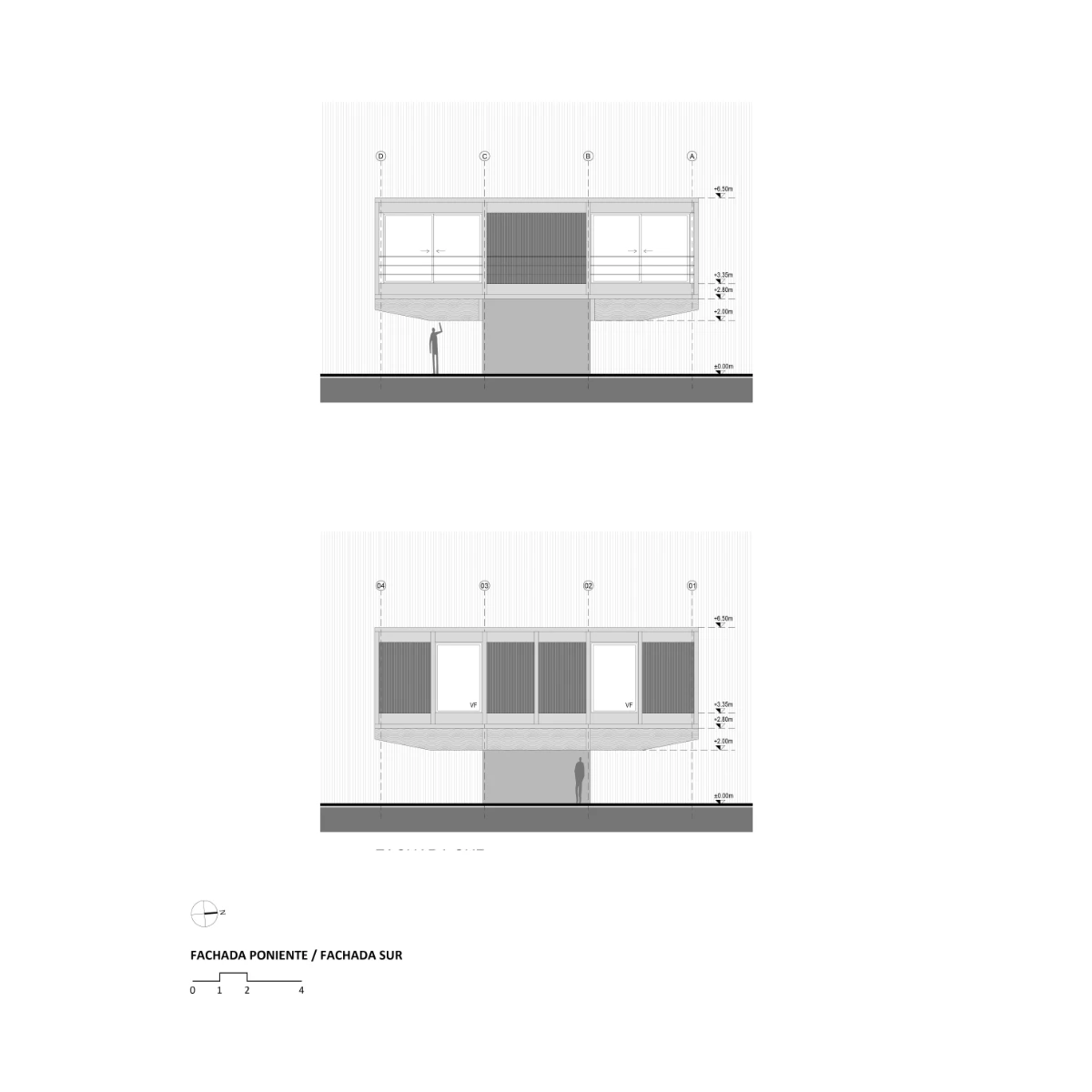
The design is organized around a grid of nine quadrants: eight peripheral wooden quadrants and one central circular concrete quadrant, which is elevated to serve as the main access point to the house. This entry is defined by a sculptural element—a project in itself—a helical staircase that anchors the composition. The house is lifted above the ground both to preserve the native flora and to maximize 360-degree panoramic views of the surrounding landscape.
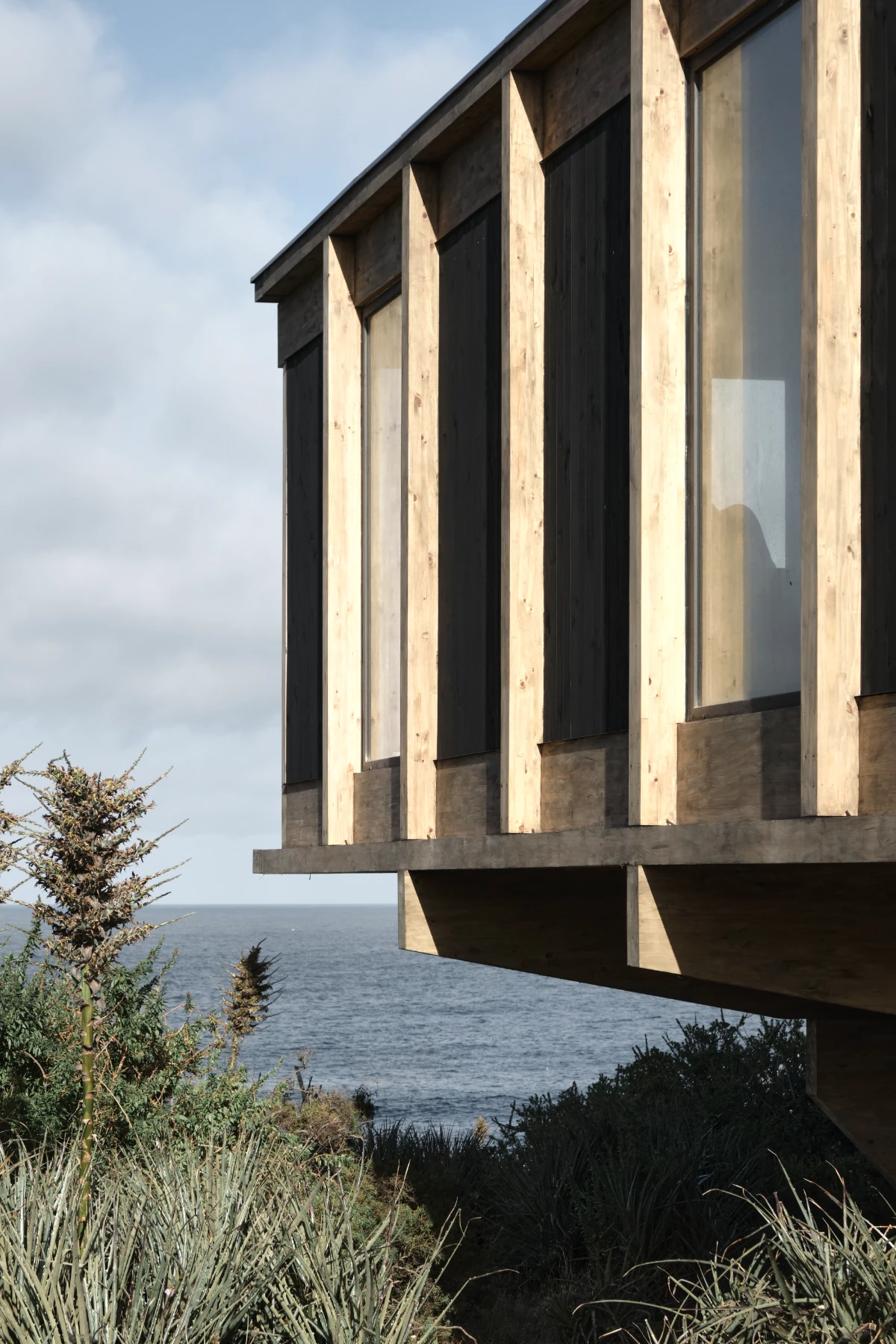
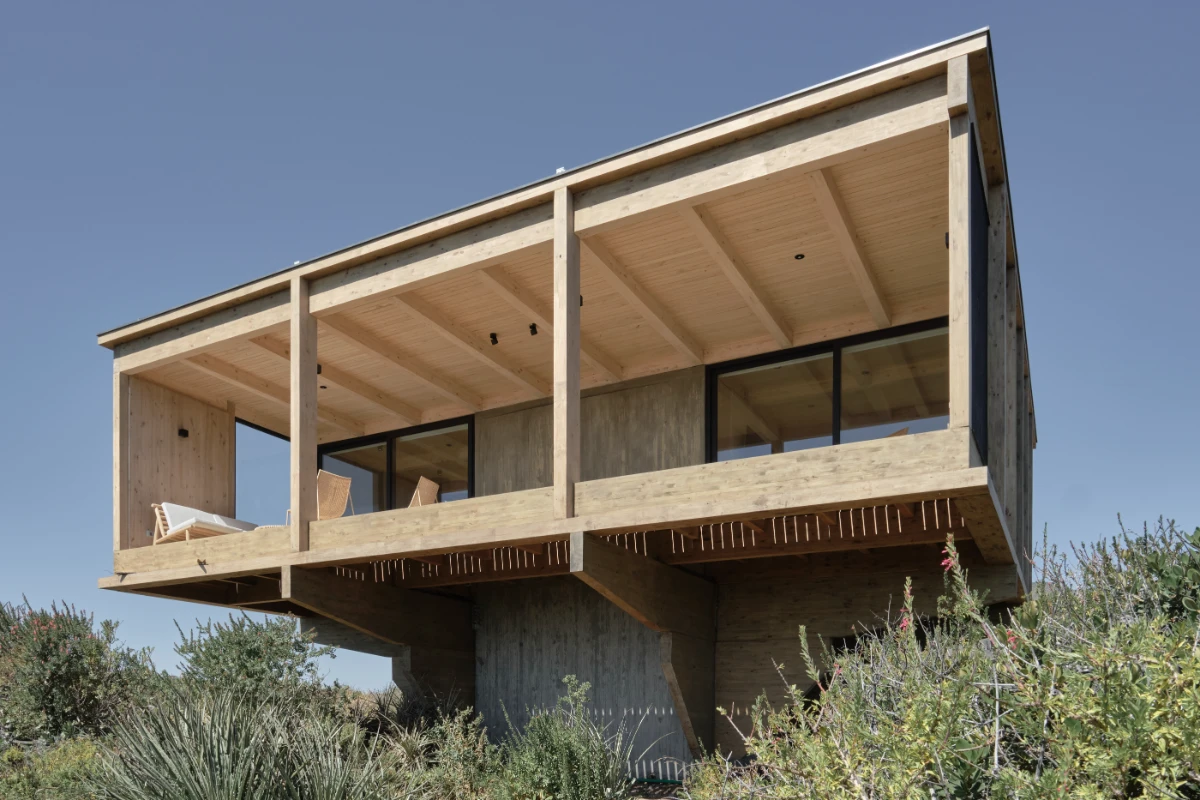
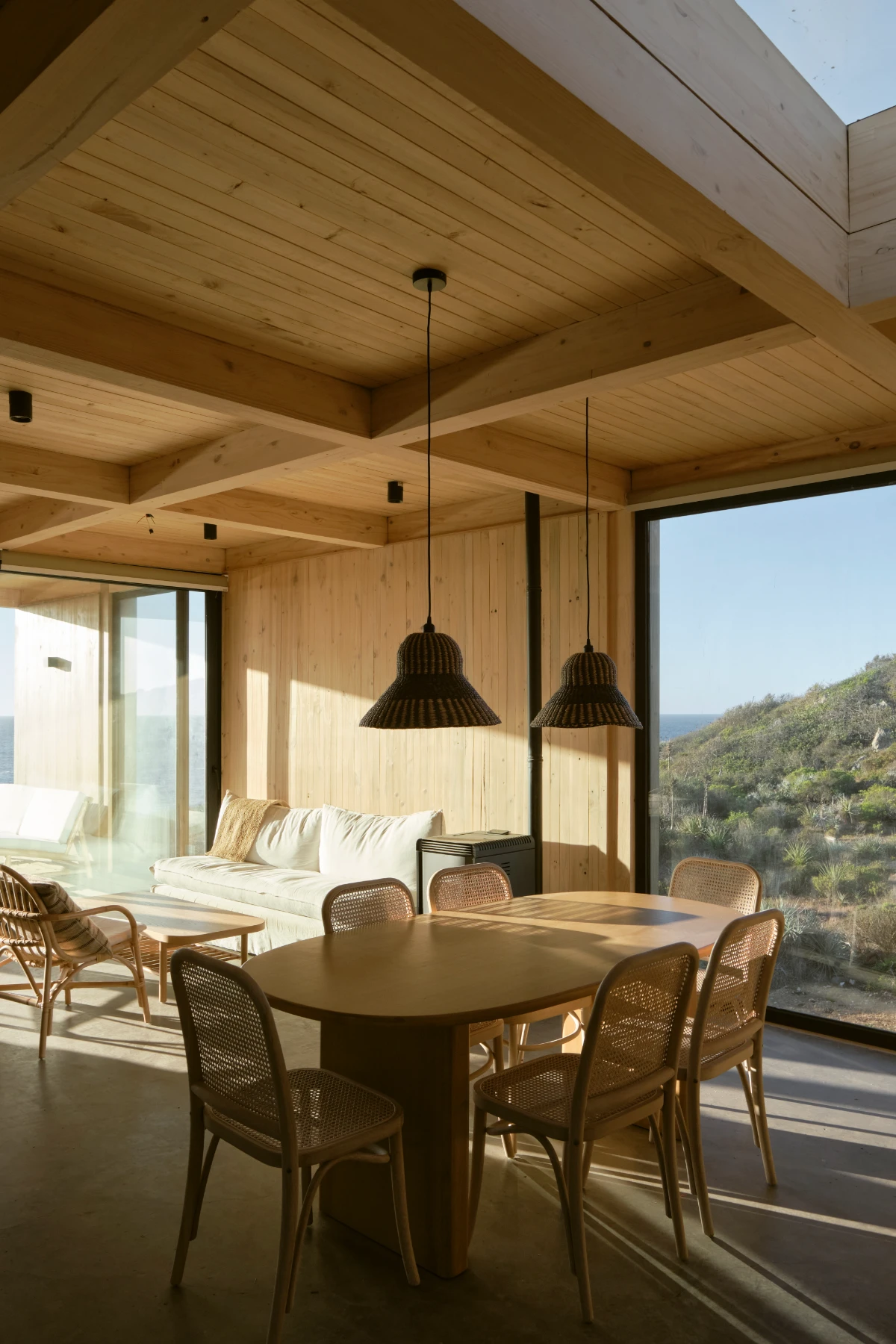
The primary structure consists of glulam timber beams that rest on the central reinforced concrete core. Secondary beams of smaller section are laid across the primaries, and atop them, a series of purlins complete the elevated structural framework of the main level.
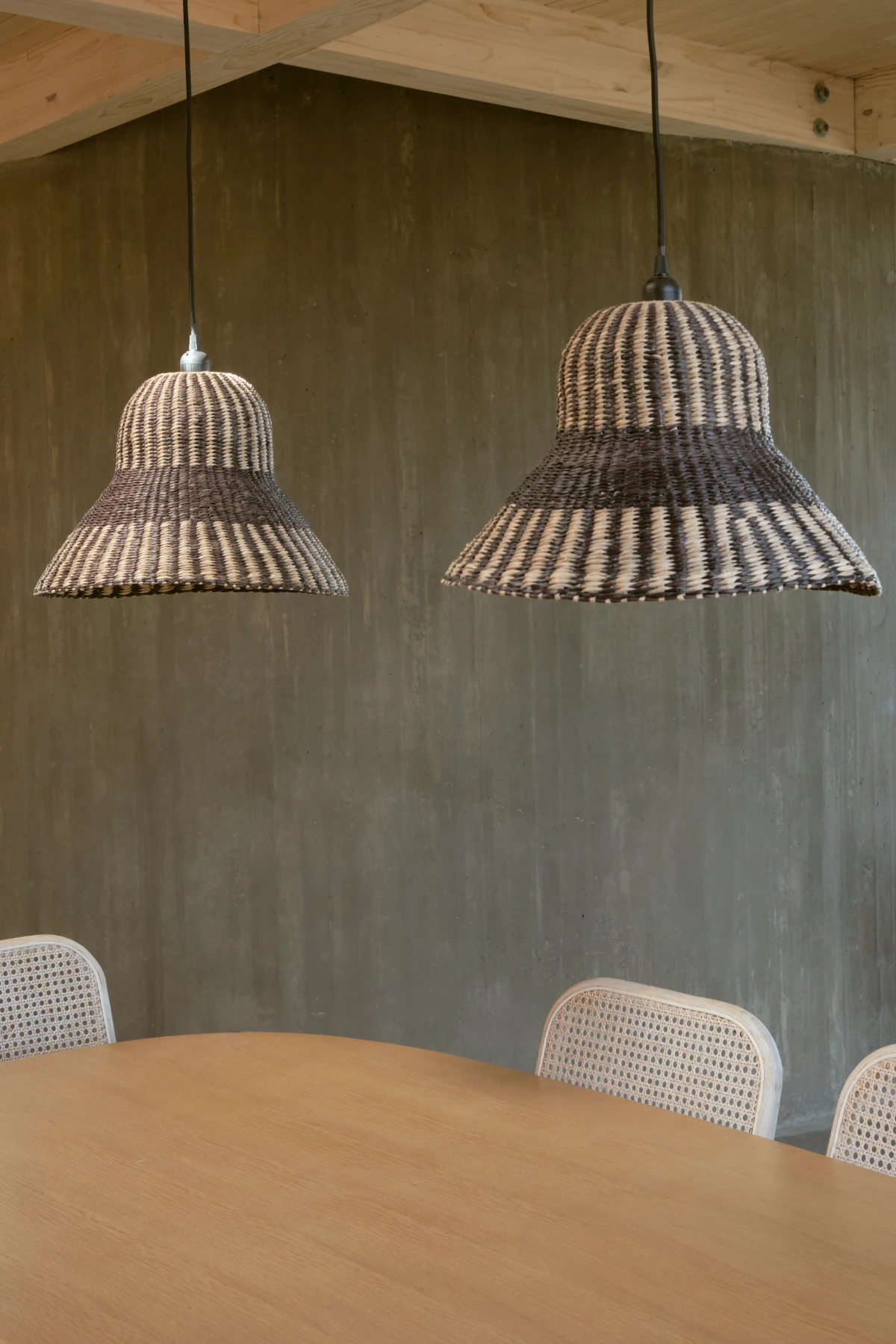
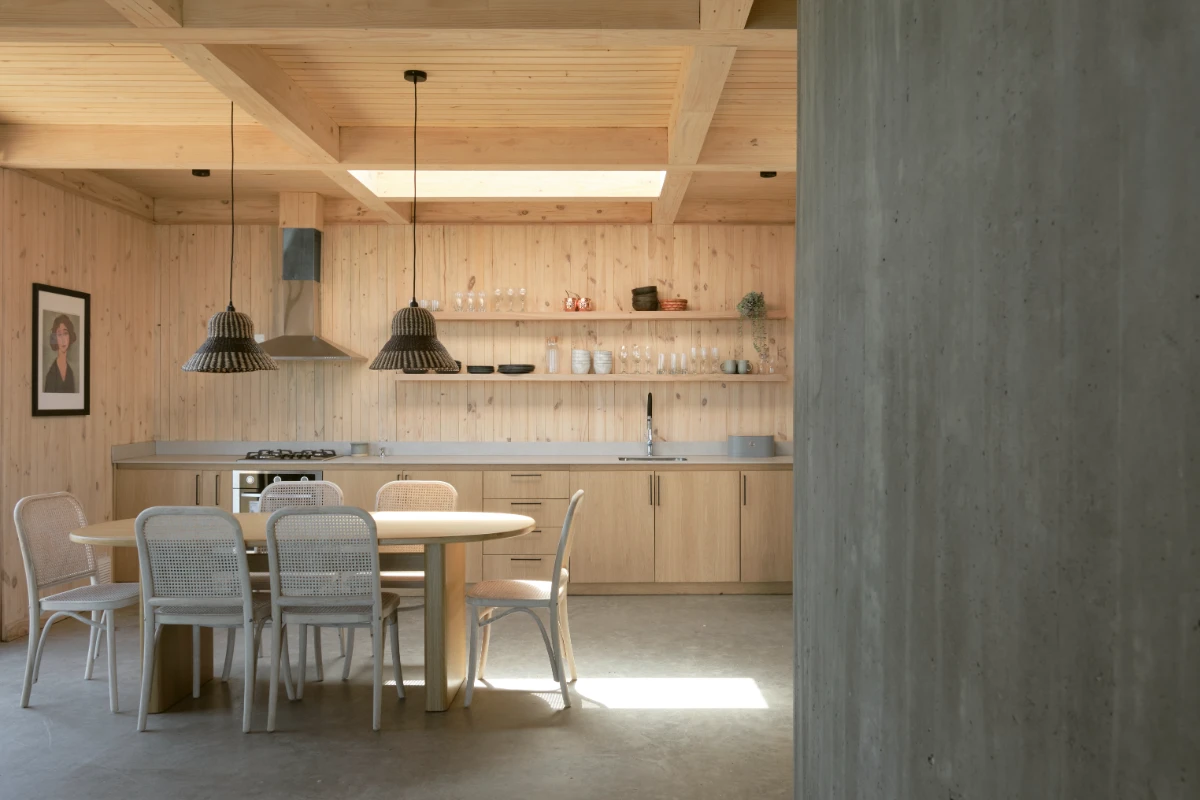
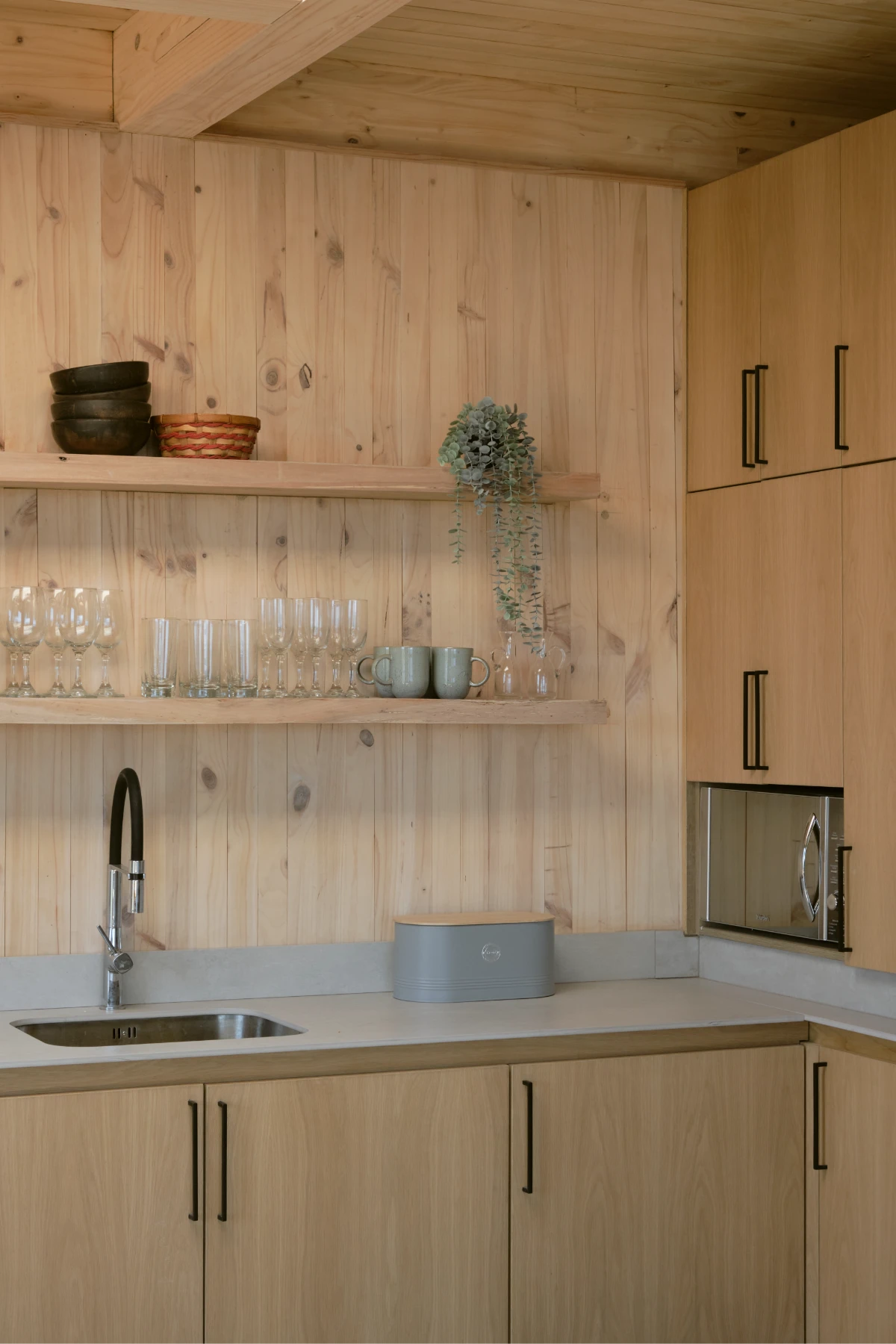
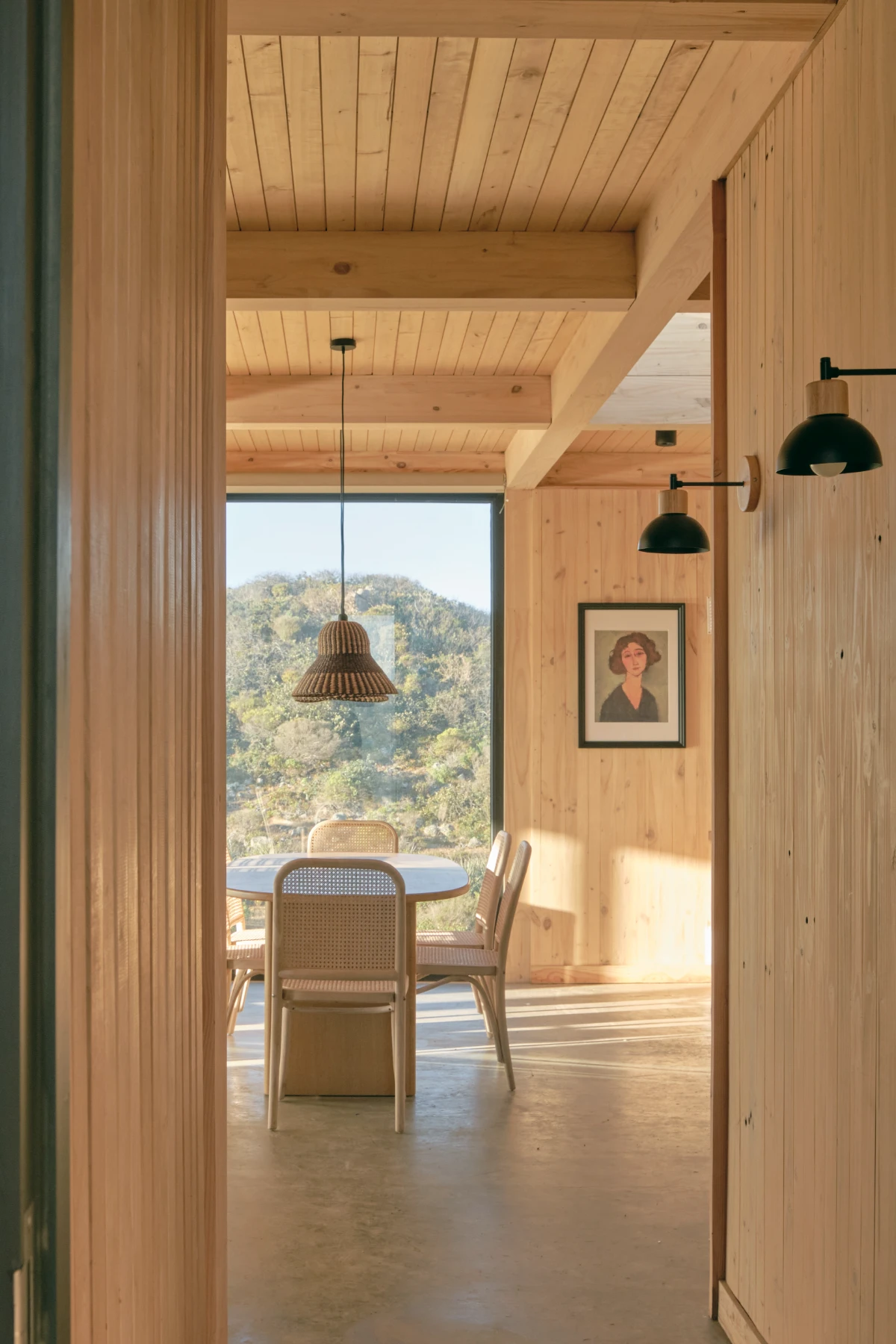
At the top of the helical staircase, visitors arrive at the main entrance, which leads into a modest entry hall. To one side, the space opens into the public areas of the home—living room, dining room, and kitchen—distributed across three of the eight wooden quadrants. In the opposite direction, the private zone includes a bedroom and en-suite bathroom, occupying two additional quadrants.
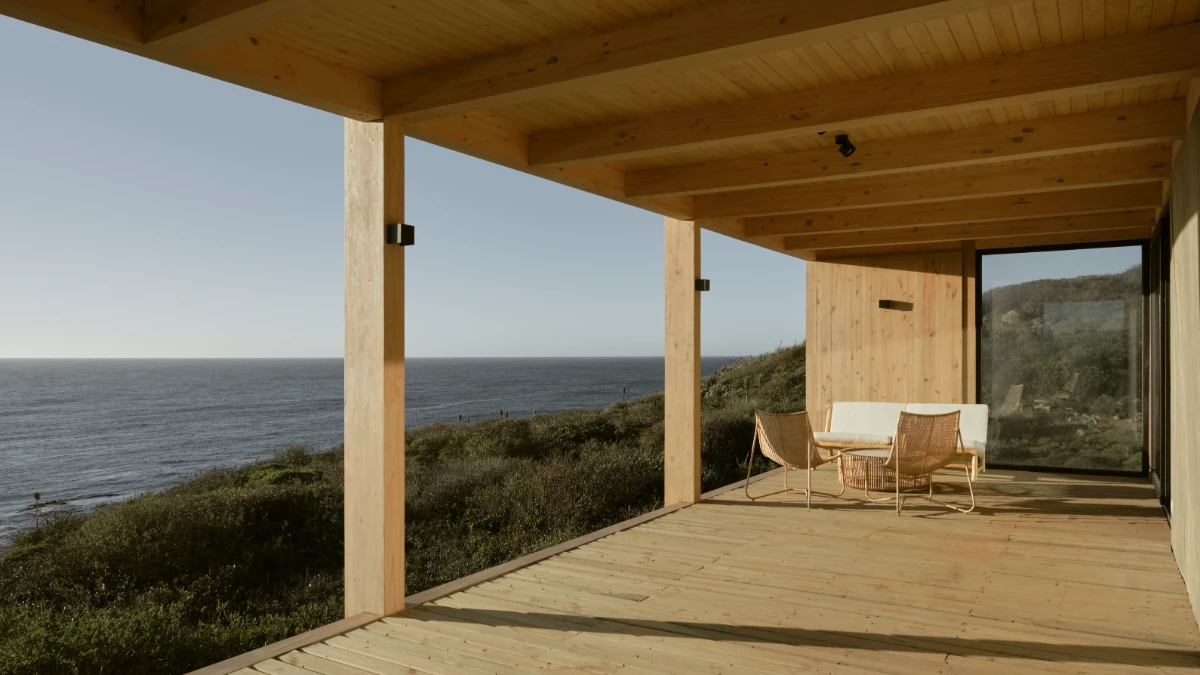
From the outset, a key design goal was to create a spatial experience grounded in simplicity. This idea extends outward via a balcony, oriented to provide a privileged view of the Pacific Ocean.
Completing the plan, the remaining three quadrants form an extended balcony space that invites residents to enjoy the gradual descent of the sun into the sea.