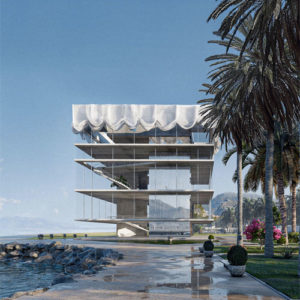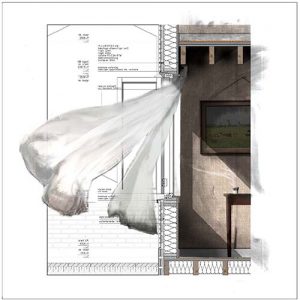
Since its conception in the Italian Renaissance, architecture has operated around a taut distinction between the conceptual and the material. The architect, Alberti tell us, is tasked above all else with the making and communication of concept. Architecture, therefore, is about ideas, and ideas are of mind, not matter. From regimes of representation to model-making to the frequently evoked quip that “architects don’t build buildings but create drawings of them”, we are reminded that the relationship between architecture and its output is structured through intermediation. Framed around a concentration on its internal agendas over the workaday realities of a material world, architecture maintains a fraught relationship with its ostensibly most fundamental medium: the building.
The building, after all, is a promiscuous entity — not an abstraction but an irrevocably tangible thing. As such, it entangles architecture in a world far beyond itself. In lieu of autonomy, buildings bind architecture to issues of material, labor and ecology it cannot escape. Buildings, in this sense, not only bring substance to the otherwise immaterial nature of disciplinary prerogative but enmesh architecture with forces it is seldom equipped to address.
Few places embody this tension more clearly than Chicago, a metropolis whose explosive industrial growth from the so-called emptiness of the American frontier puts in acute focus architecture’s complicity in the aftereffects of building. Chicago’s voracious construction is often dovetailed with its architects’ widespread adoption of the steel frame as an expedient solution to the spatial demands of speculative real estate. If an introduction en masse of steel had already by the 1890s permitted the horizontal sprawl of settler colonialism across the American continent, its incorporation by architects into the Chicago frame unlocked previously unimaginable expansion in the vertical. In the dual forms of the railroad and the skyscraper, steel substantiated American modernity.
Praised (and critiqued) for what Colin Rowe dubbed its supposed “neutrality”, the Chicago frame is thus inseparable from the making of not only America’s cities but the fabric of its contemporary culture. In architecture’s casting of the steel frame as a neutral participant in the task of design, the discipline renders invisible a vast swath of contingencies. Where, after all, did such immense quantities of steel come from? How did their production and the tectonics of their assembly shape the social ecologies of not only a swelling metropolis but of a nation more broadly? For every Chicago, there is a steel plant — and for every steel plant, gouges in a landscape. From a taconite mine in northern Minnesota to coal deposits in Kentucky to a gargantuan production facility carved out of the Northern Indiana dunes, behind the Chicago frame extends a sweeping network of cheap nature. This thesis looks precisely at one nexus in this system: US Steel’s Gary Works, a steel plant in Gary, Indiana.
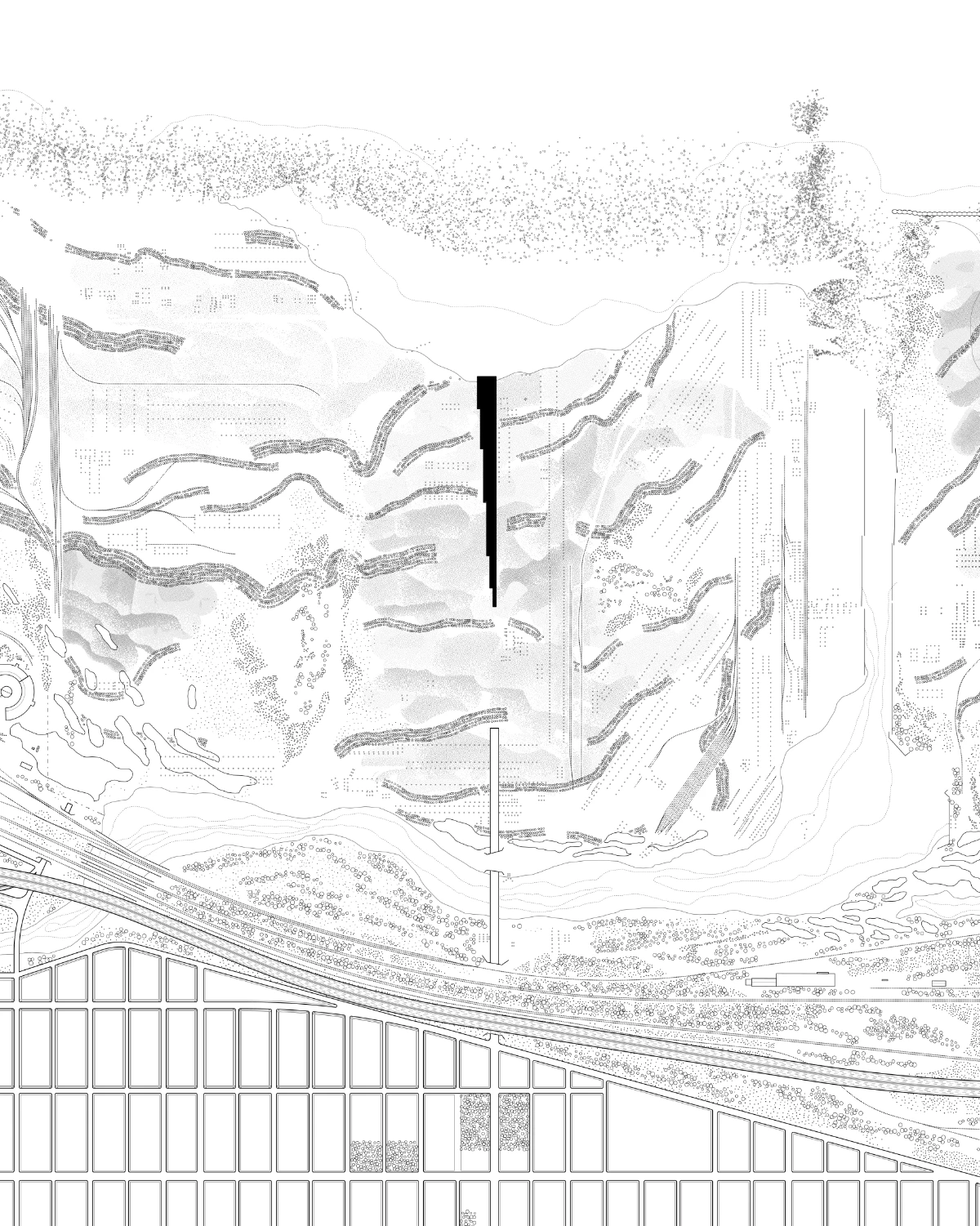
In eyeshot of the Chicago skyline and once the world’s largest steel facility, Gary Works embodies the afterlife of our ambivalence toward building’s material consequences. In Gary, a century of industrial production whose output built everything from bridges to battleships has deeply shaped the site’s surroundings, inflecting profoundly on human and more-than-human life alike. Gary, like the Rust Belt more broadly, encounters an uncertain future amid automation and declining demand. Burdened by aging technology and a failed bid for acquisition, this project imagines a bankruptcy of US Steel in 2036. What would it mean for a community already caught in an irreversible state of demographic shrinkage to revisit its civic mandate in the absence of its once critical industrial centerpiece? Might the rift of corporate abandonment offer a chance to refashion the material, social and ecological relations of a site imbricated in decades of industrial damage, offering alternatives narratives to threadbare “revitalization”?
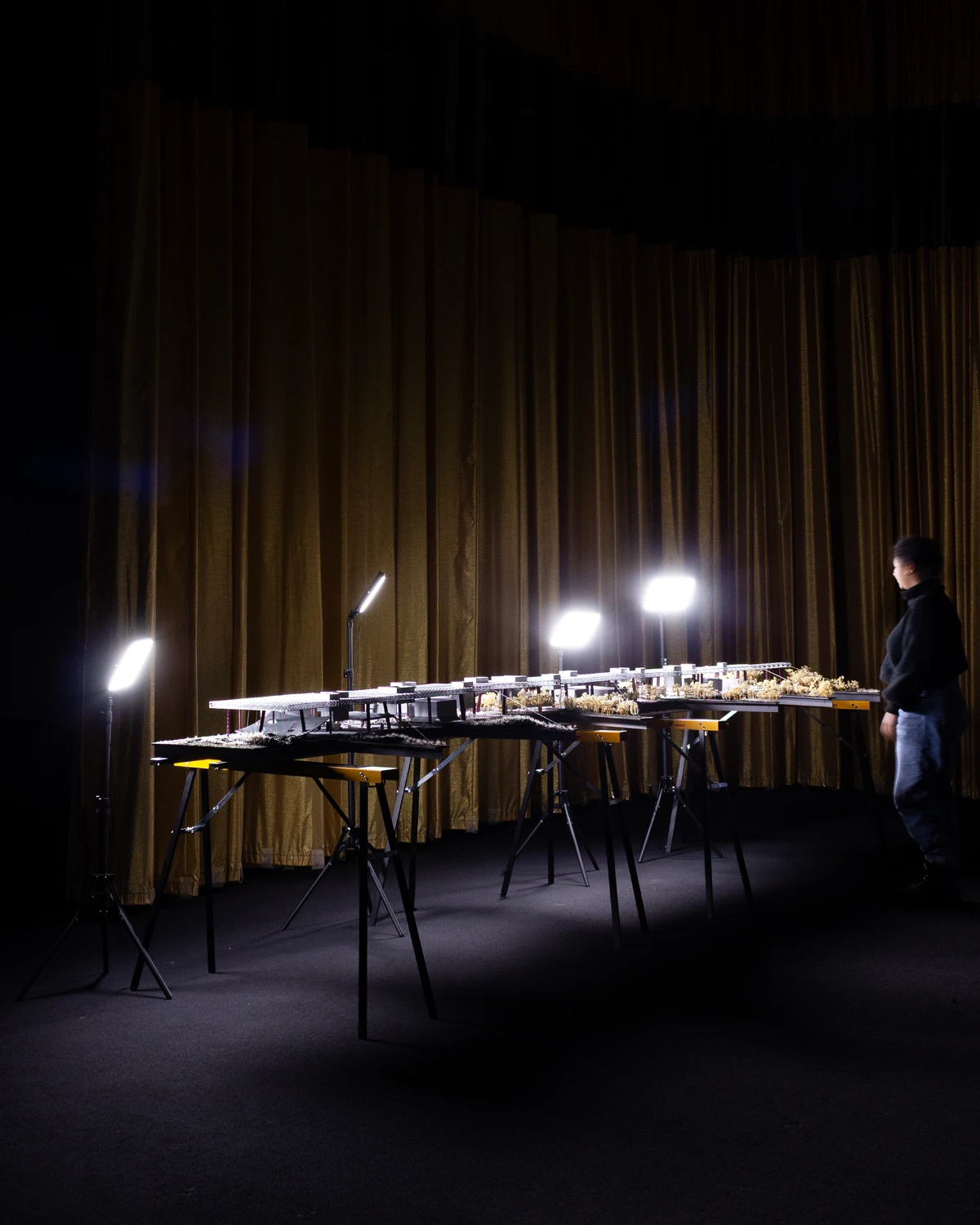
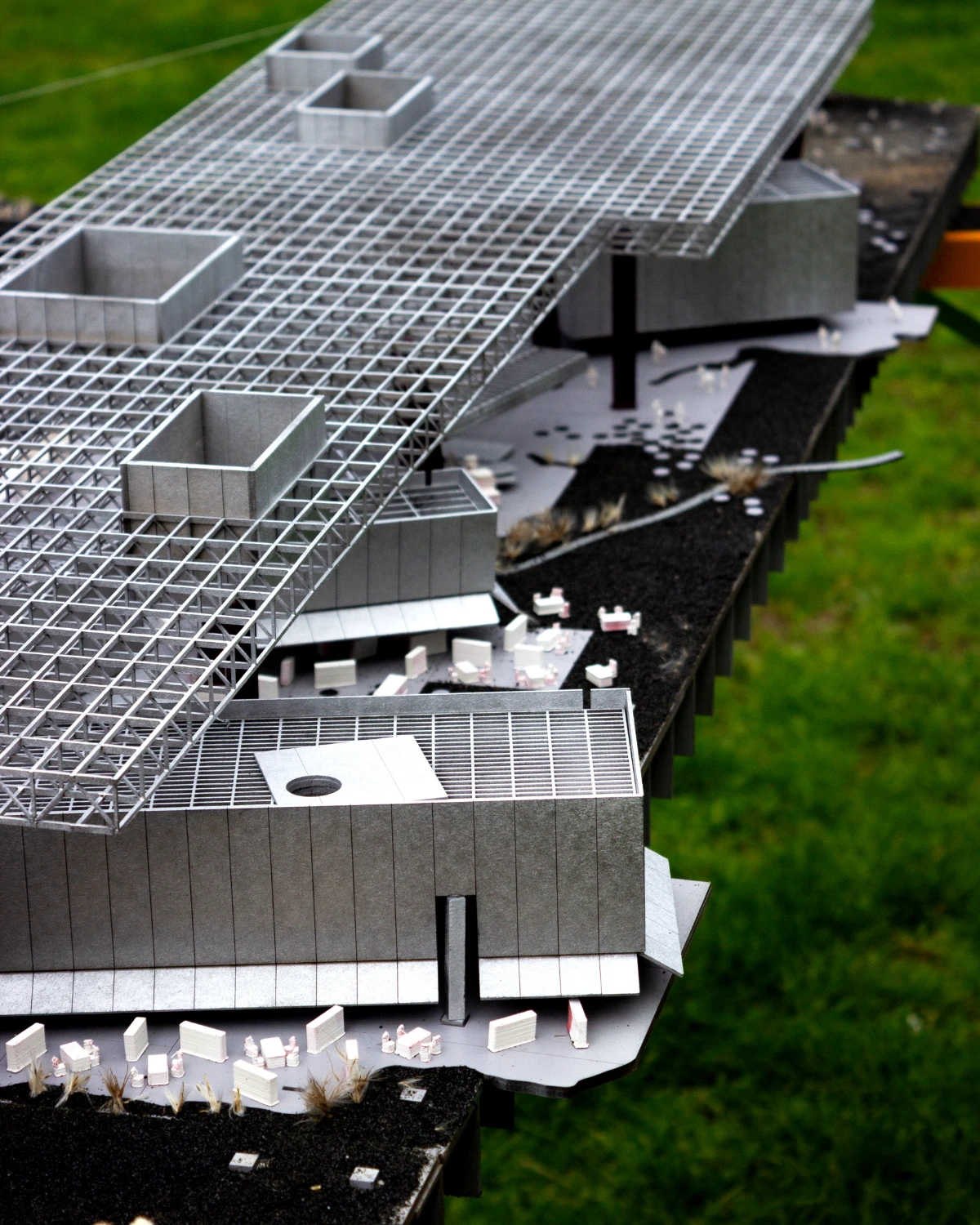
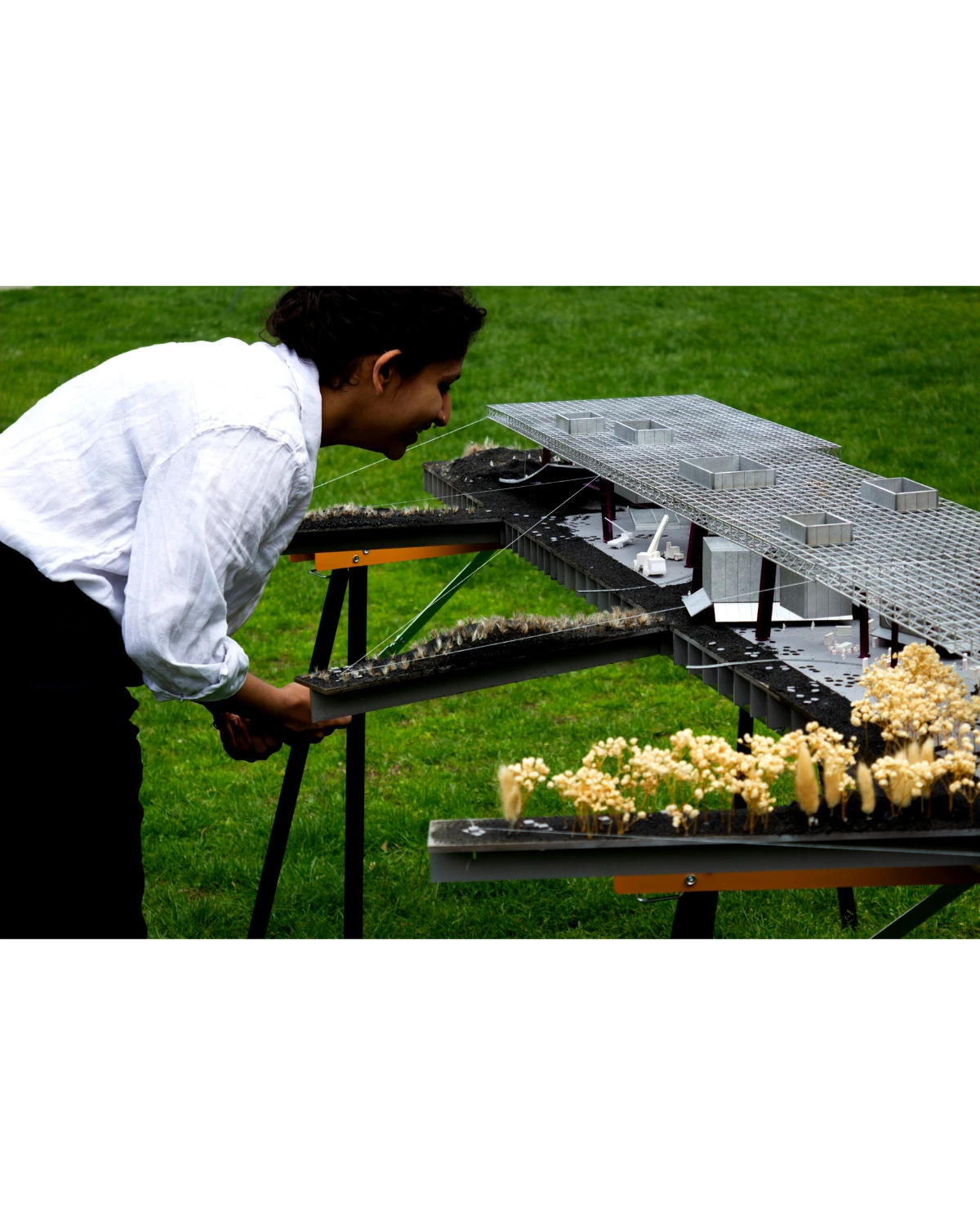
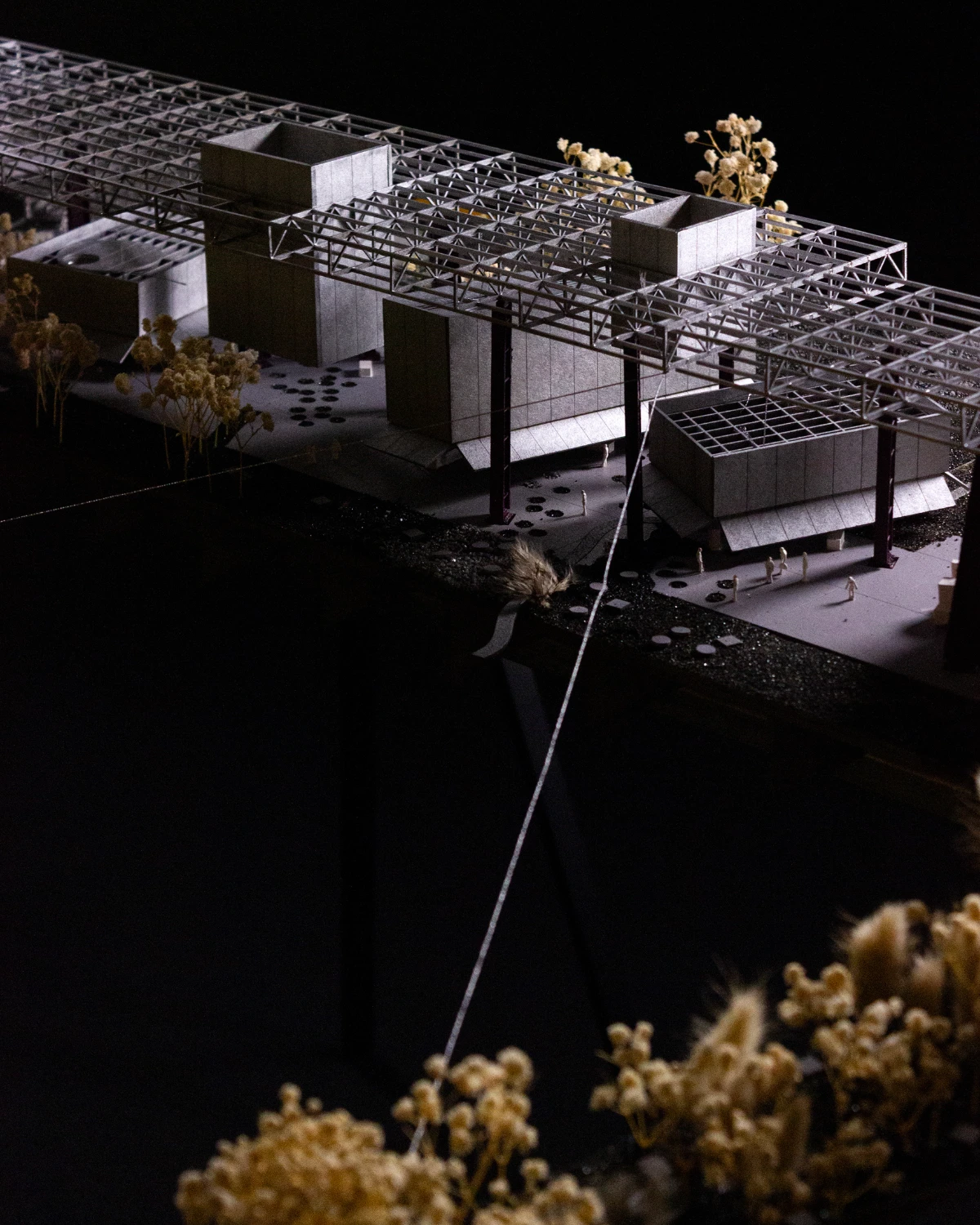
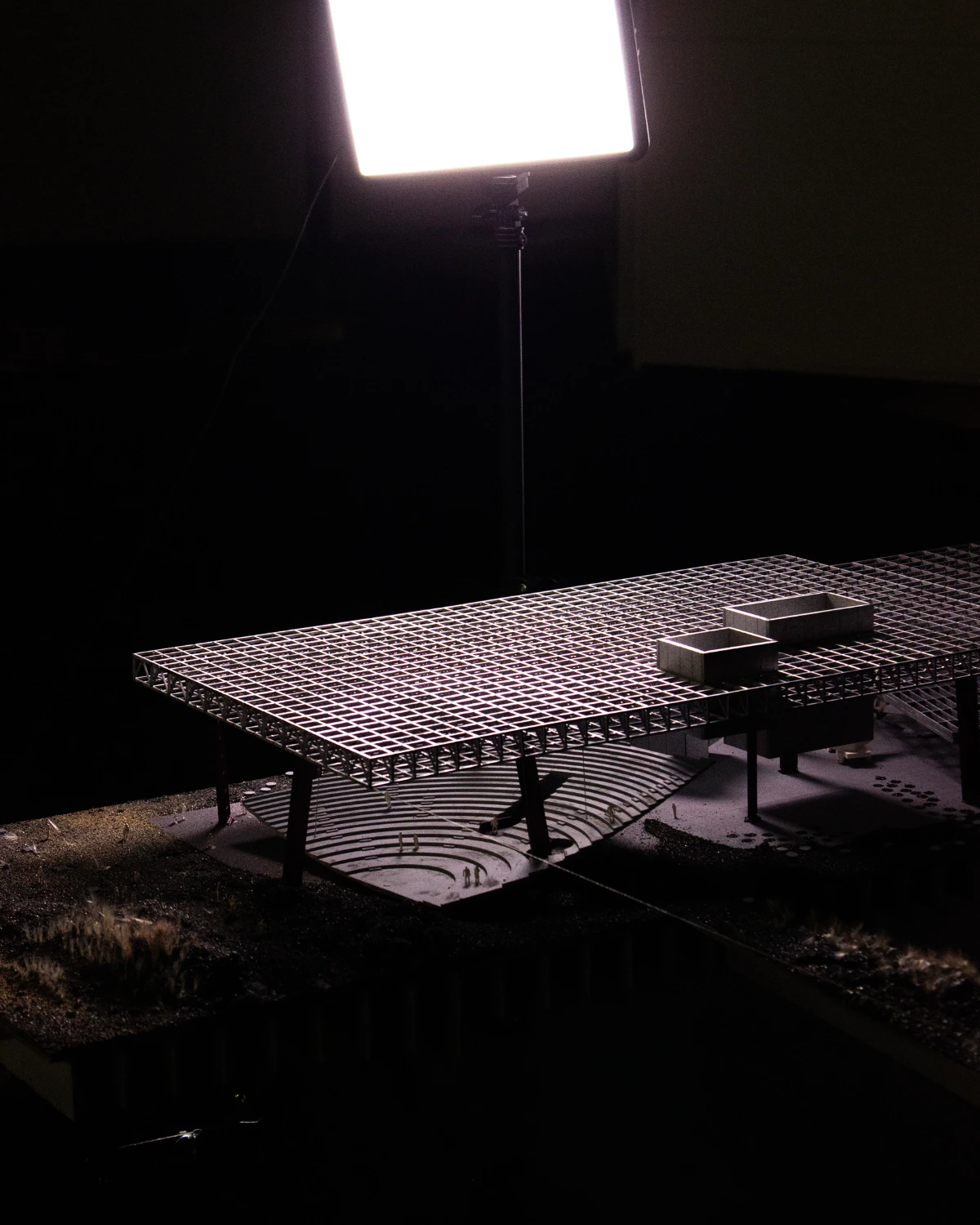
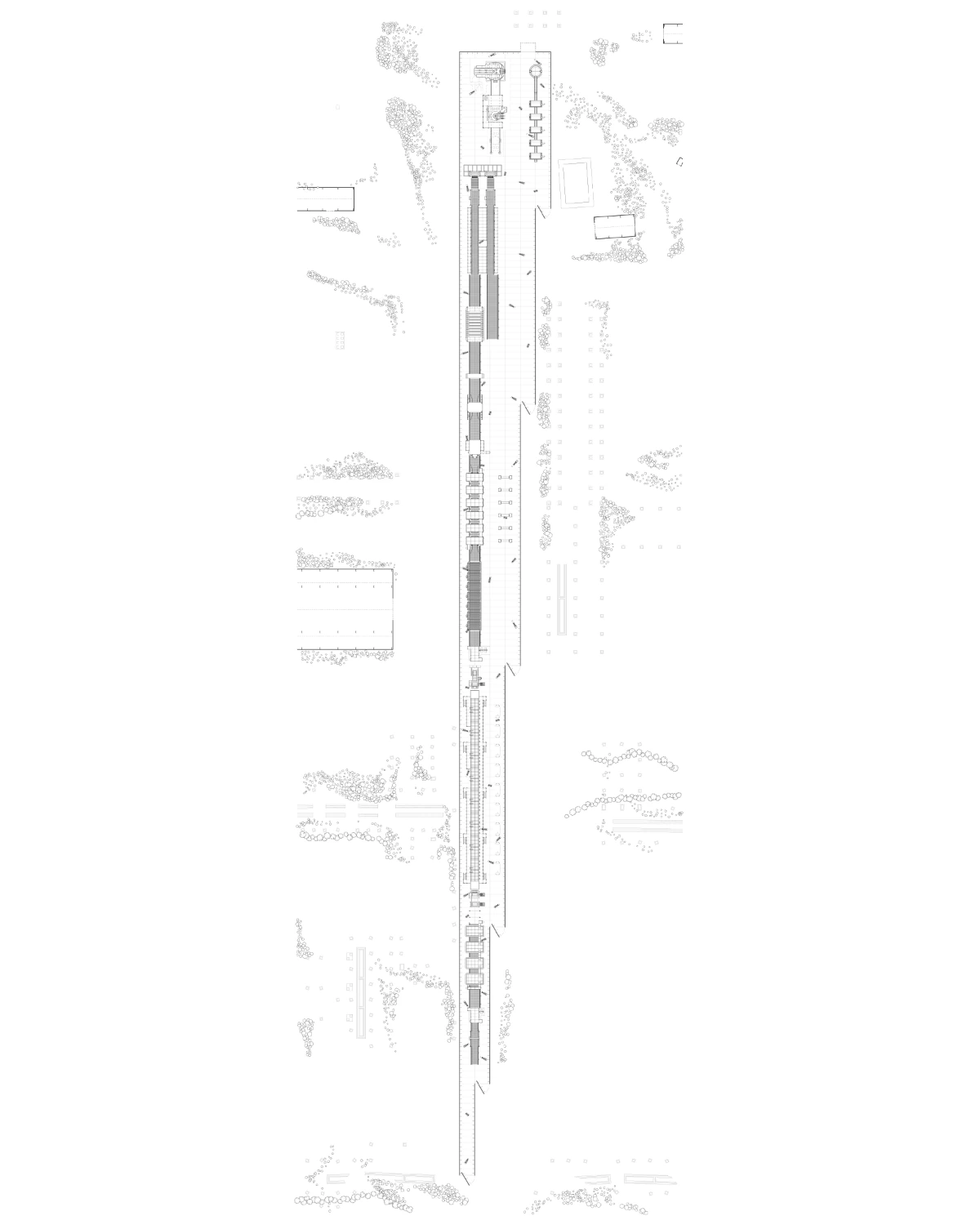
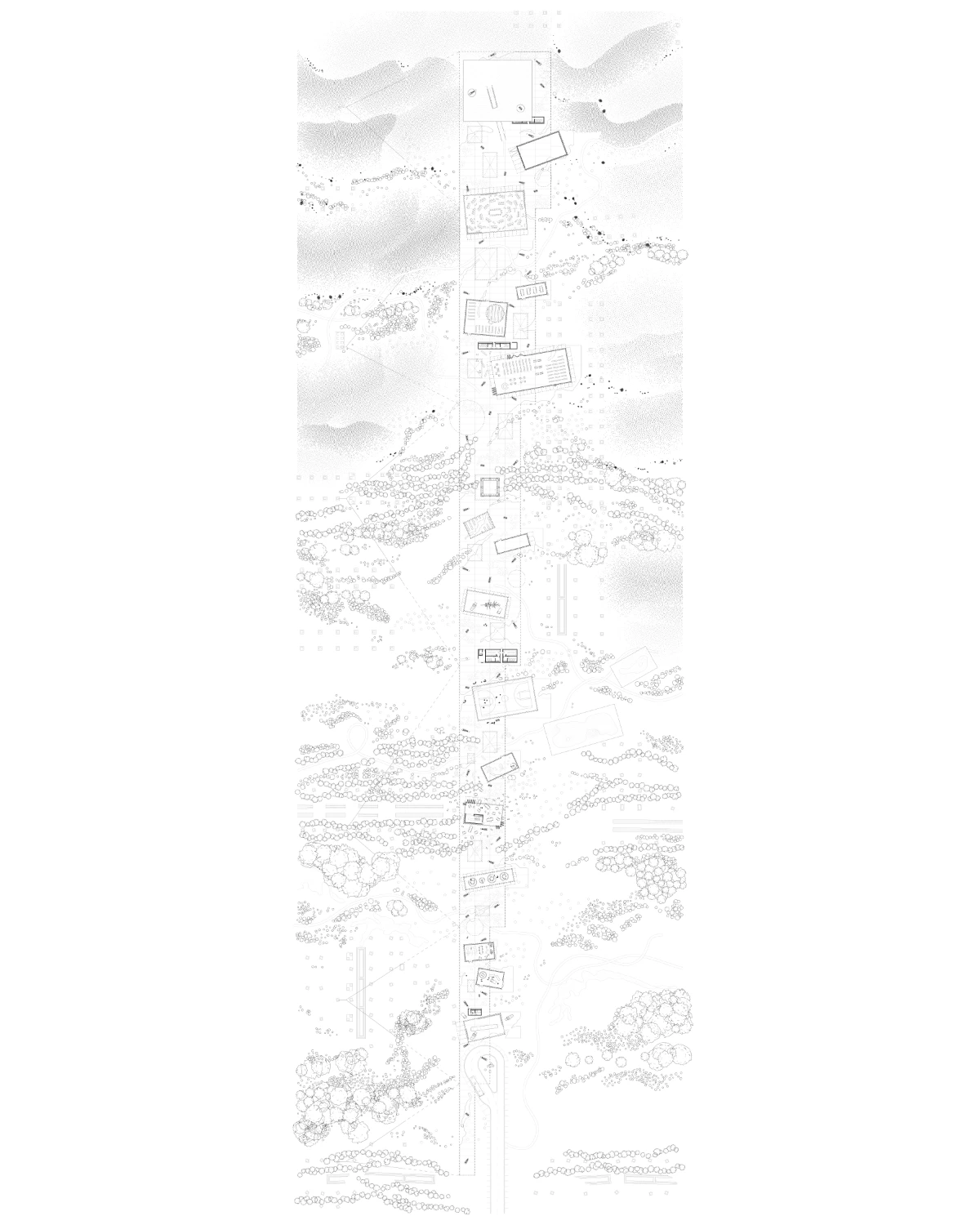
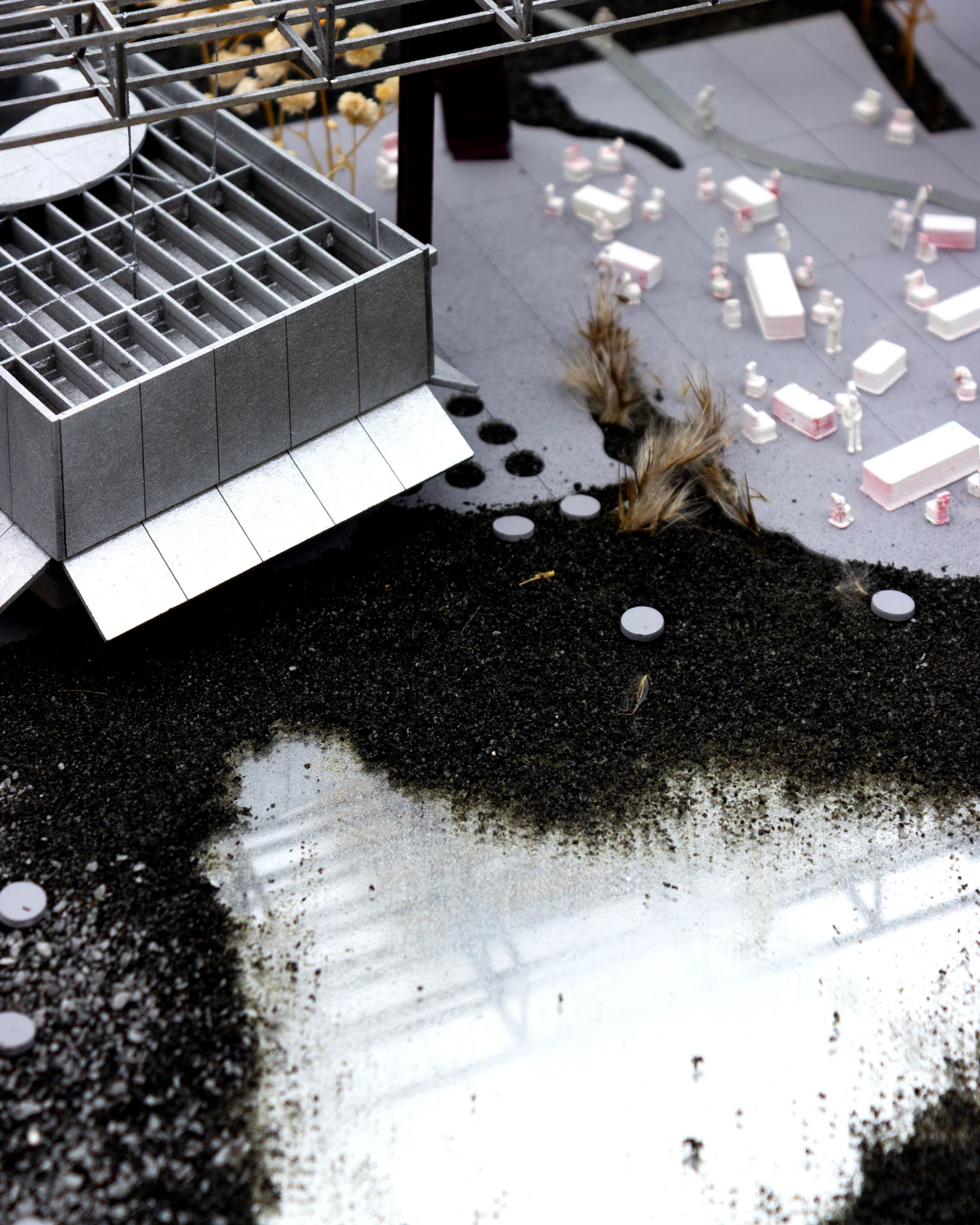
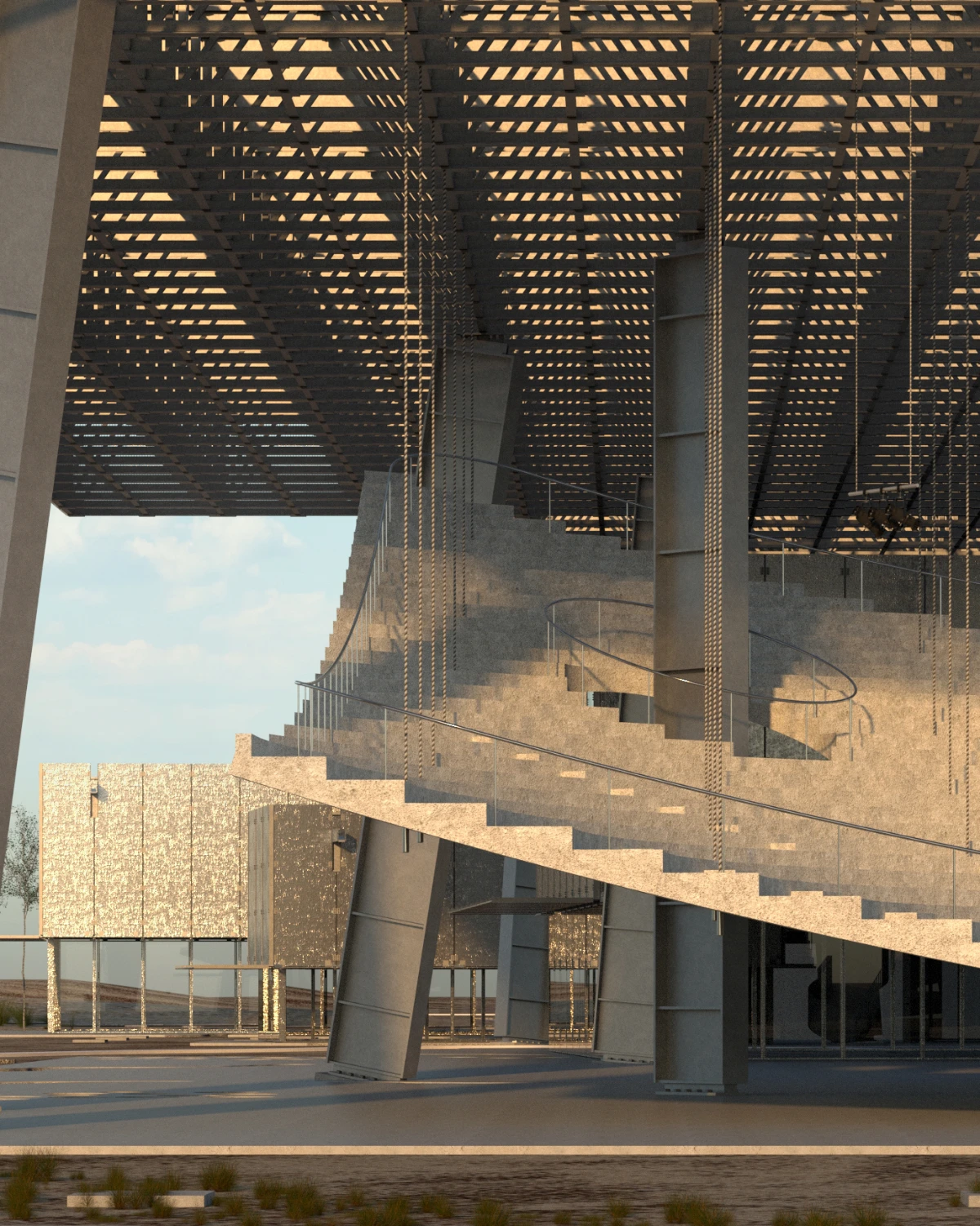
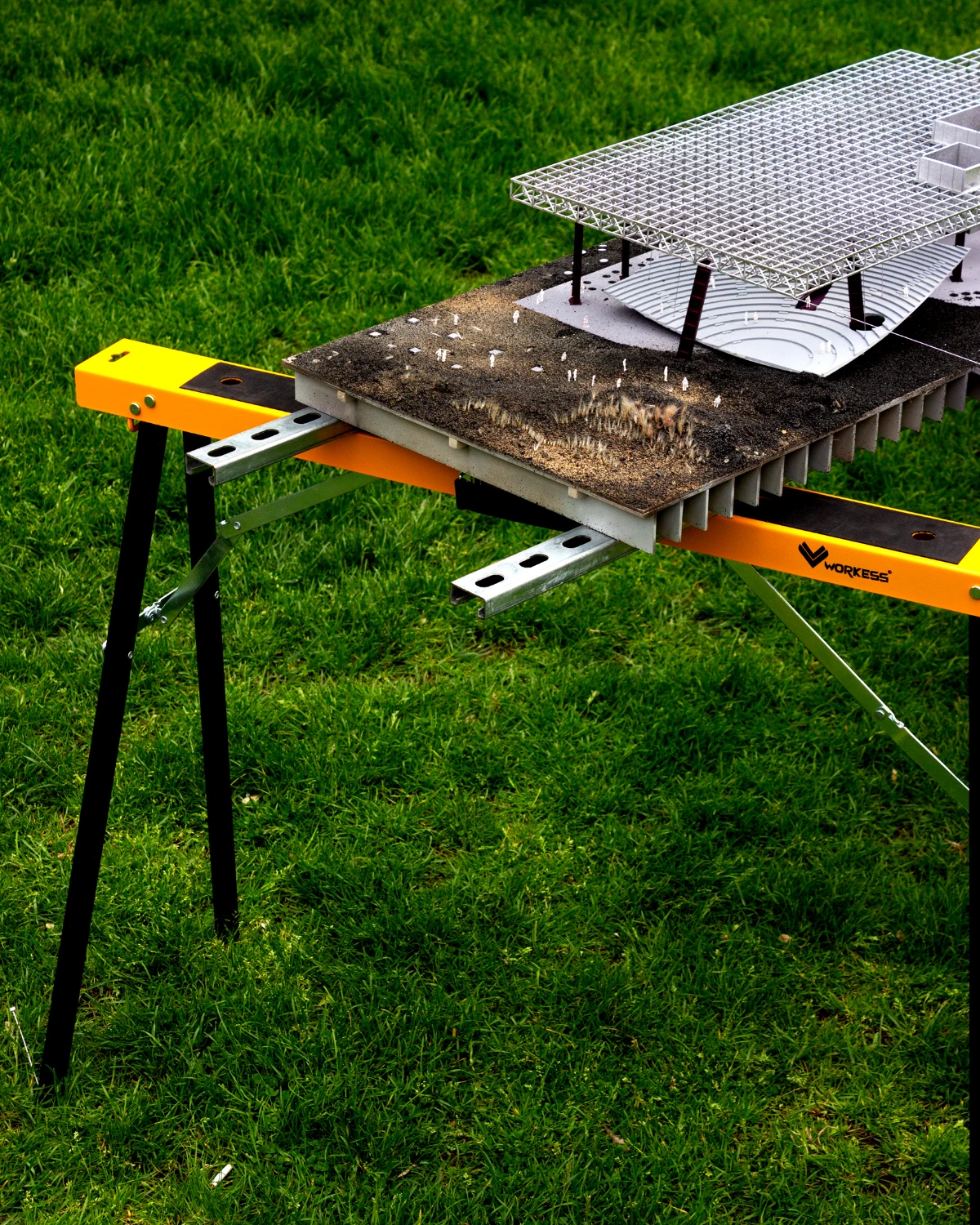
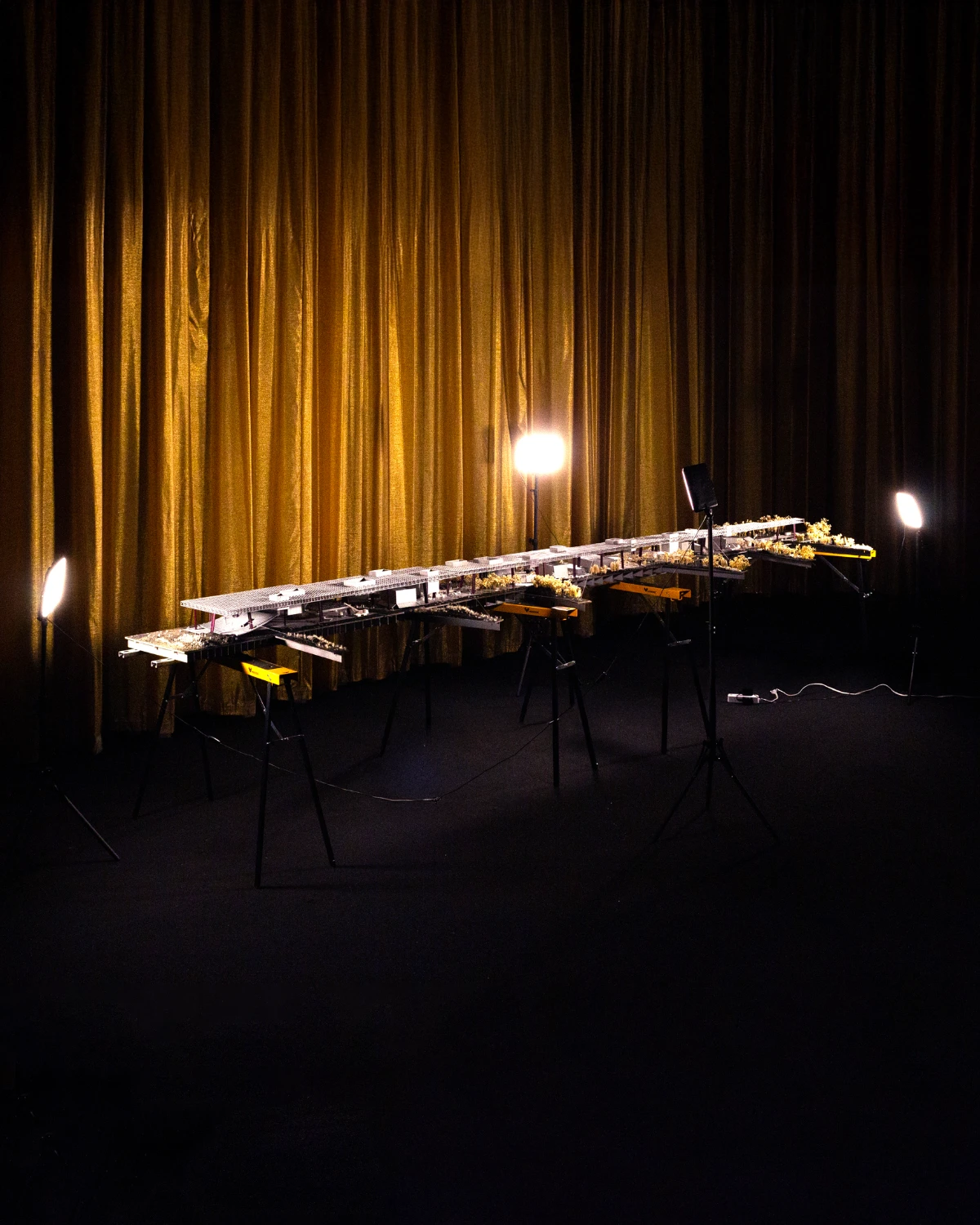
This proposal plays out a speculative future for US Steel’s Gary Works plant, asking not just what might become of a steel facility and the community that relies on it in a post-industrial economy but how patterns of degrowth across the American Rust Belt might offer lessons for a more sustainable future. After all, steel plants are made of steel, and steel is infinitely recyclable. The thesis imagines a new facility for Gary tasked first with melting down the existing steel plant after a hypothetical 2036 bankruptcy of US Steel. At first a place for recycling and remediation, the project utilizes the inherent structural and programmatic flexibility of its factory spaces to transform thereafter into a civic space for the city. Smaller, slower and situated in tighter reciprocity with its environment than the steel facility it emerges from, the project asks what agencies architecture can find in its various entanglements with land, labor and ecology, contradicting and ultimately dismantling disciplinary autonomy itself. In so doing, it argues that the discipline must confront the consequences it refused to see.
In the end, the only way out is through.