Parts of Common
Installations designed for the inaugural Denver Community Design Festival
Over the past decade, community-led building festivals have emerged as powerful civic platforms that convene architects, designers, community groups, and the public to reconsider alternative roles of architecture in everyday life. Events such as the Exhibit Columbus in Columbus, Indiana, and the Sukkah Design Festival in Chicago demonstrate how ephemeral, community-oriented installations can catalyze sustained dialogue and generate broader urban impact in response to evolving ecological, cultural, and social challenges. These events offer a compelling precedent for Denver, a rapidly growing city confronting intensifying issues of cultural displacement and public access. As urban development continues to reshape neighborhoods, there is an urgent need for a community-led platform that leverages the tools of architecture to foster civic exchange and collective care.
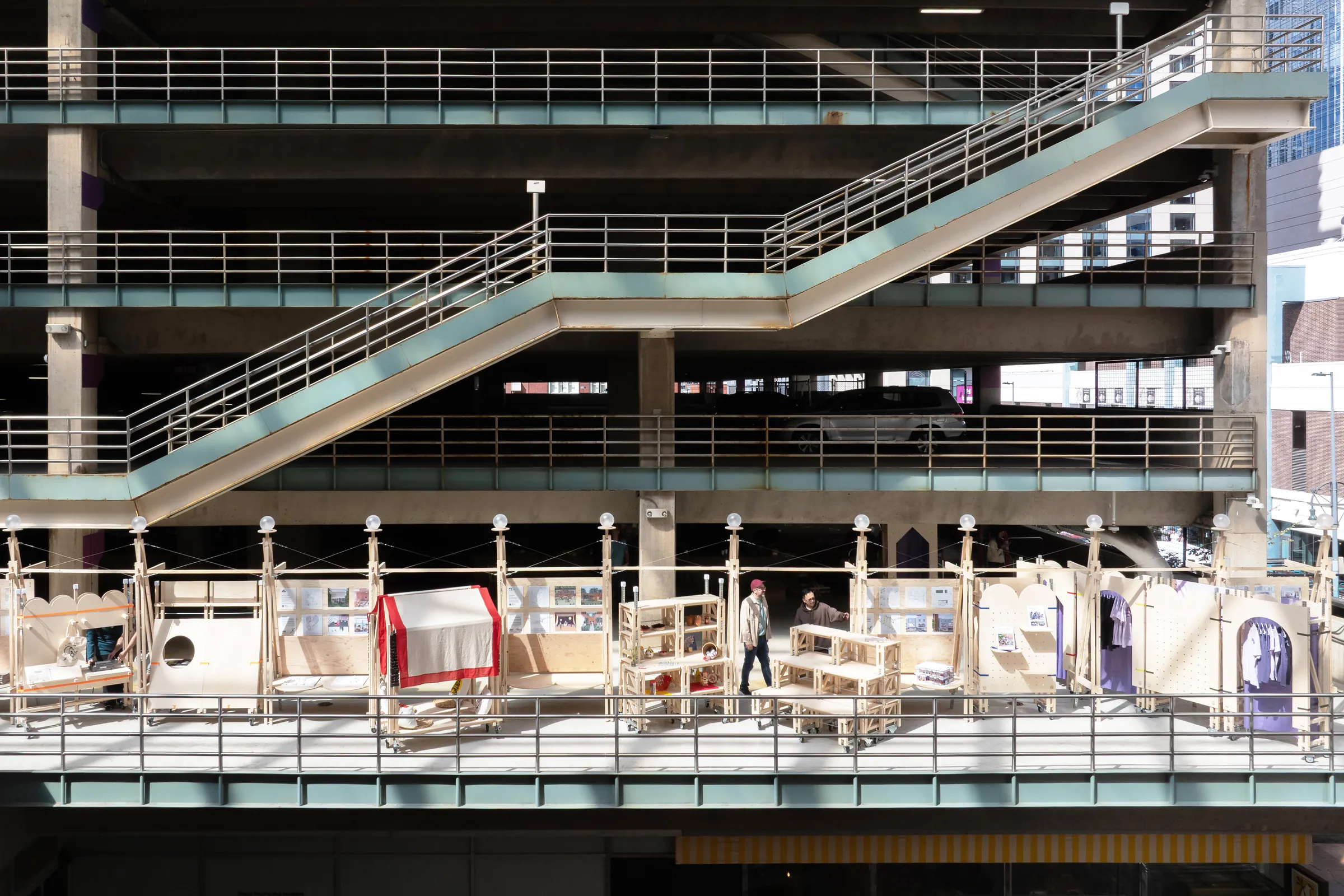
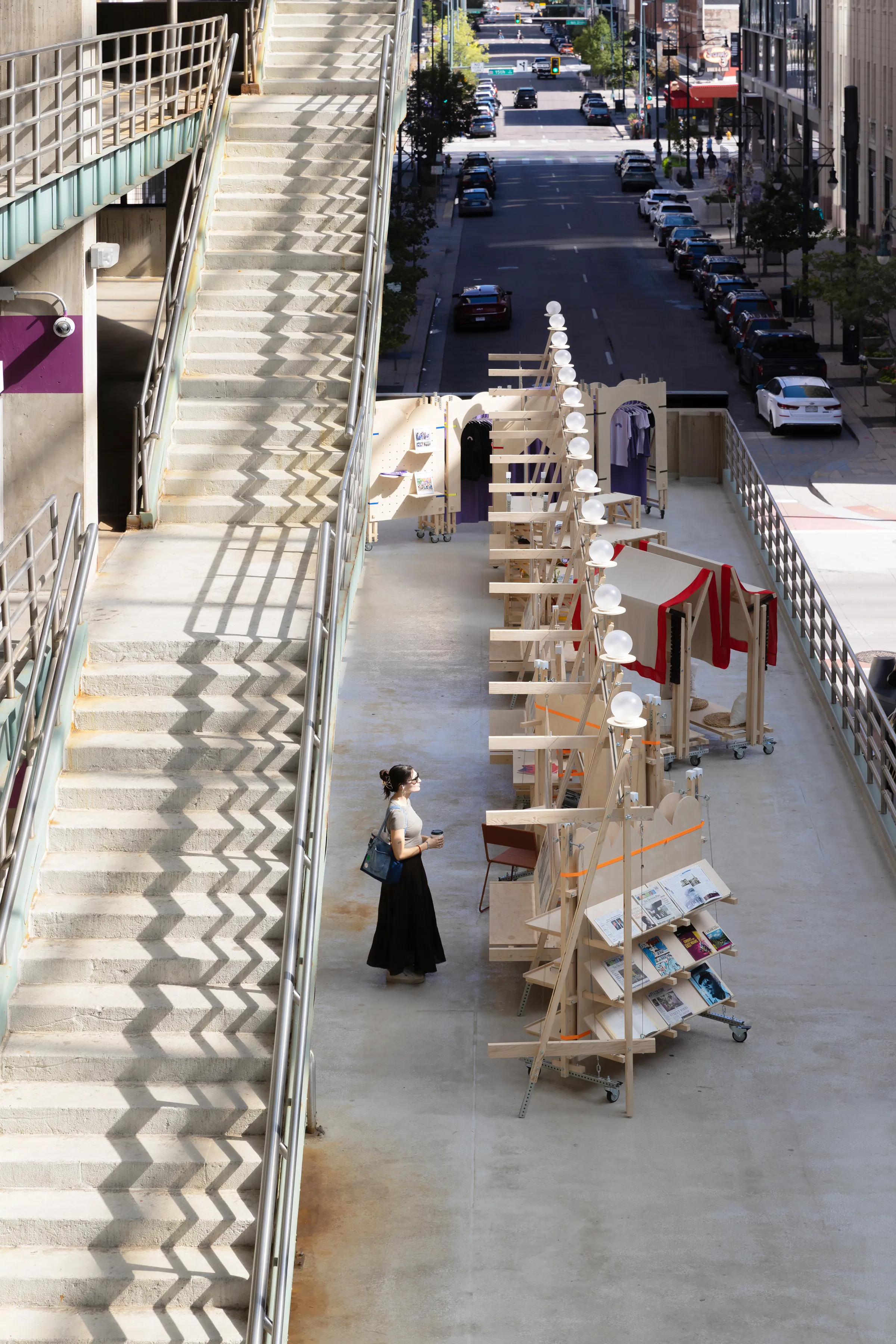
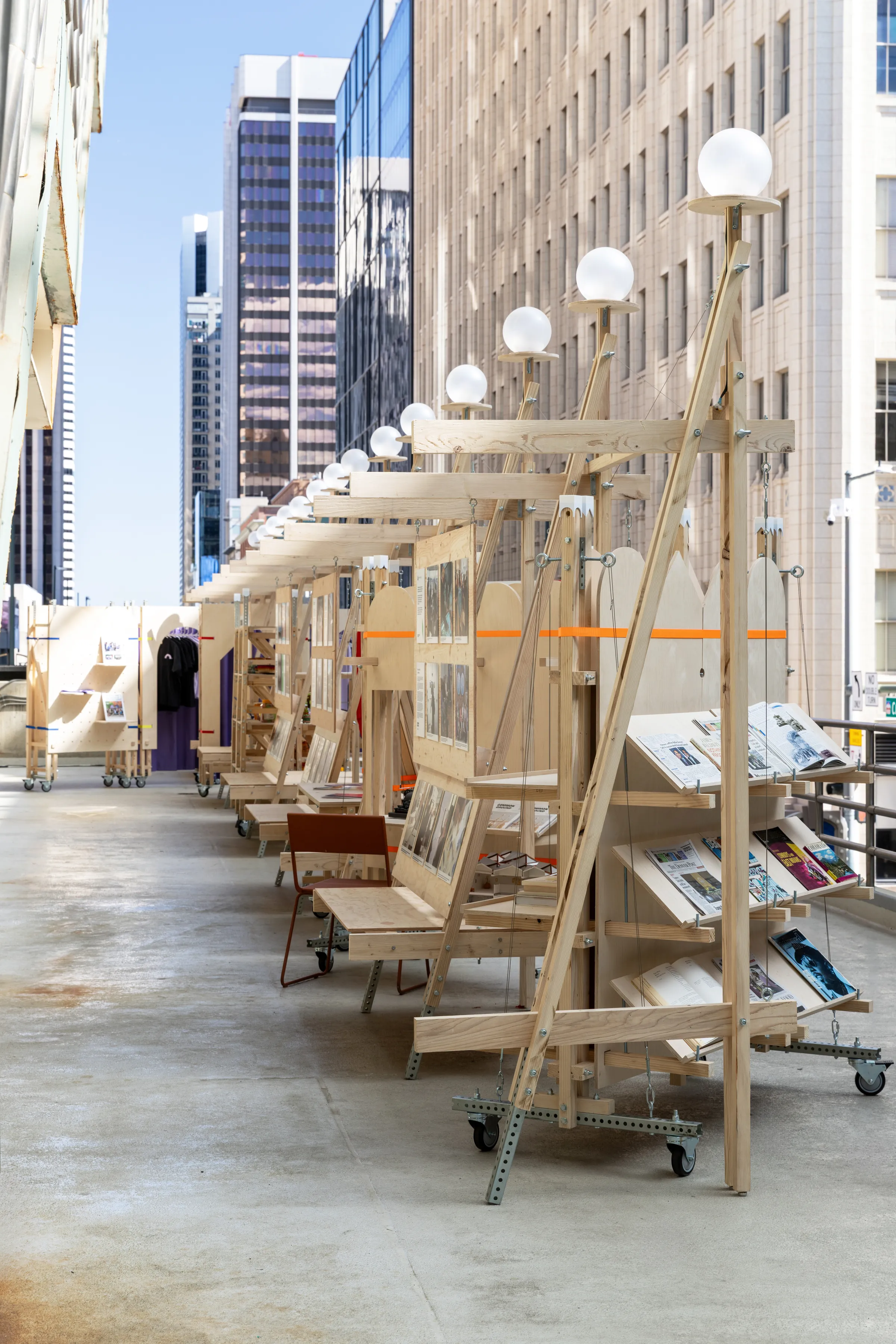
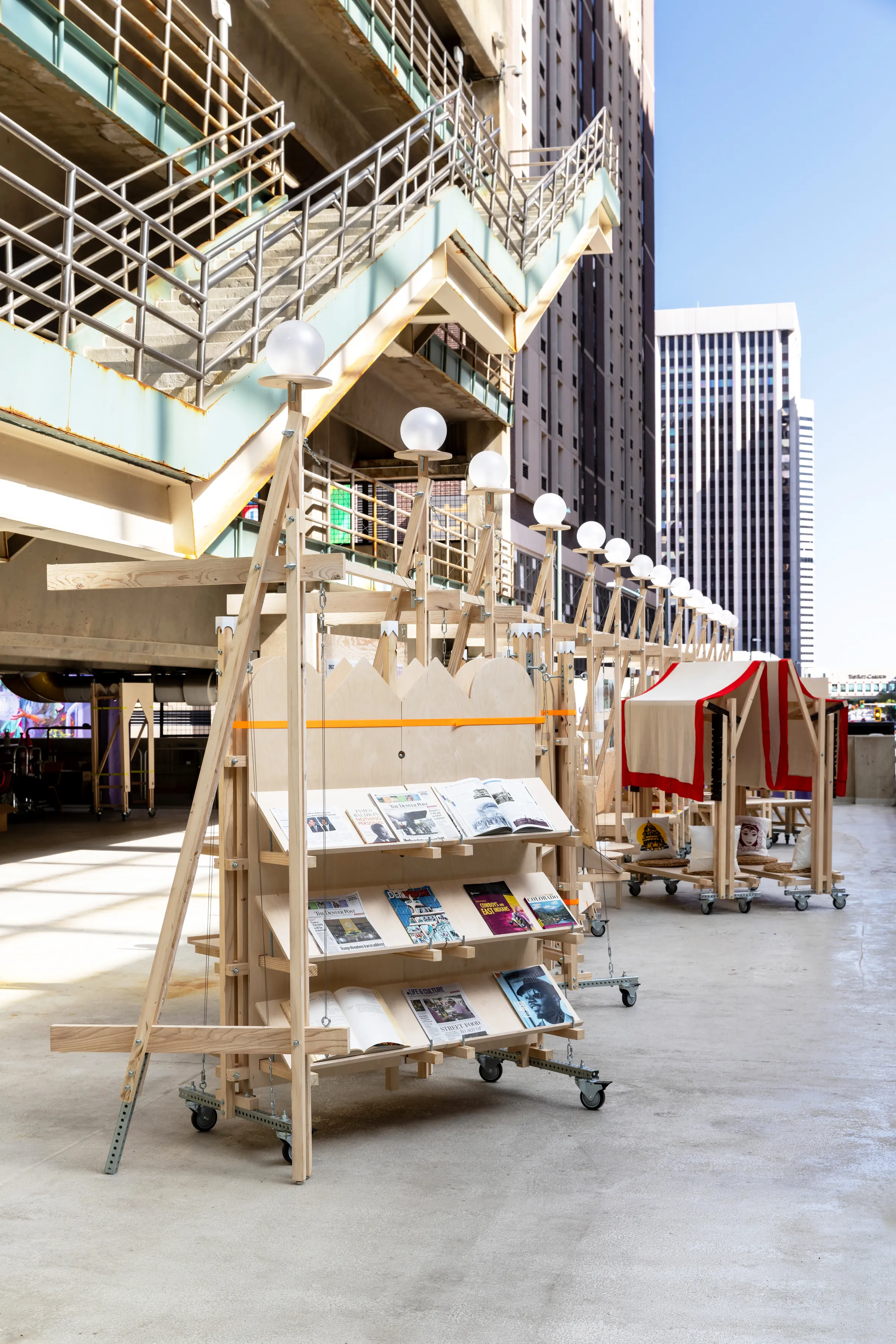
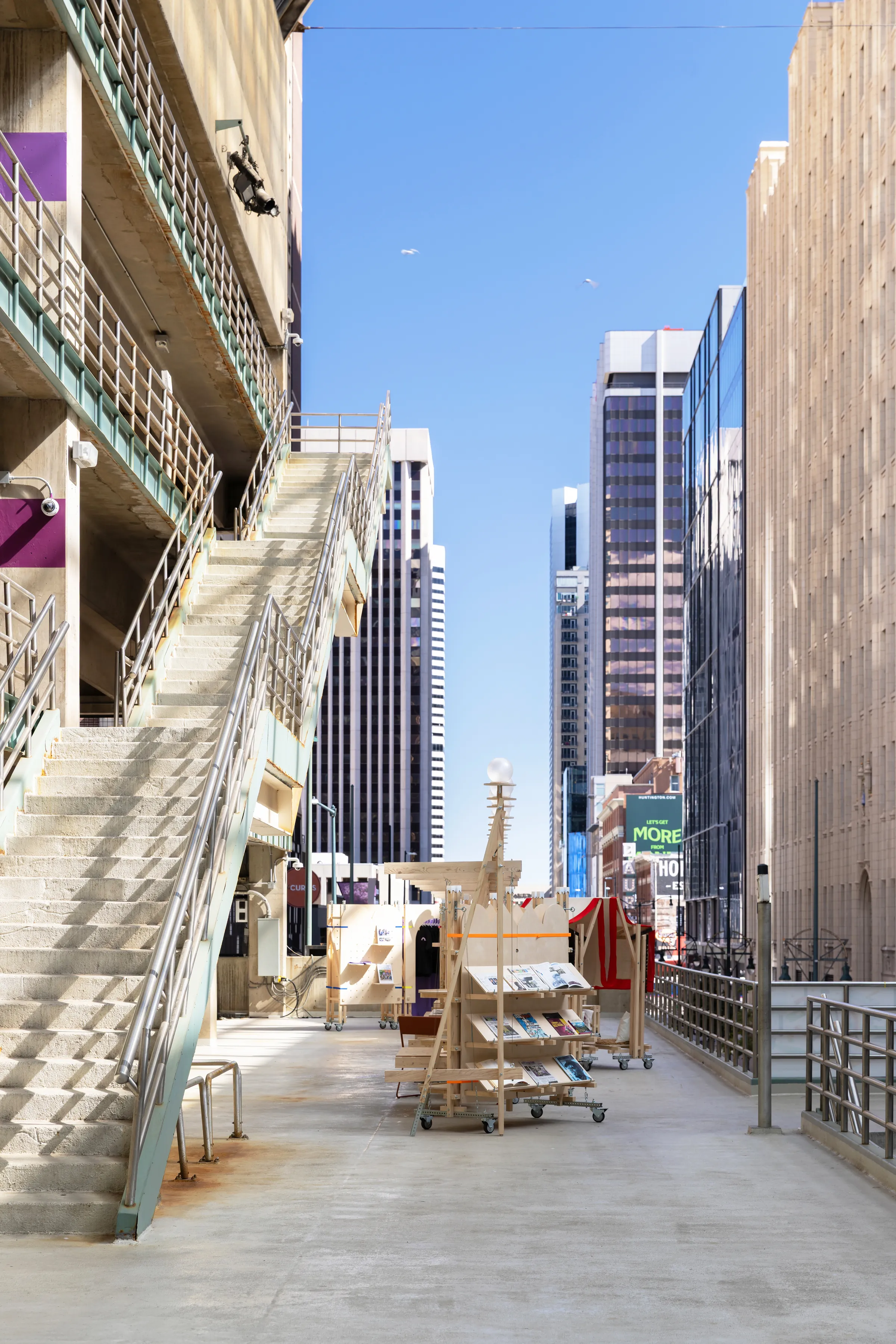
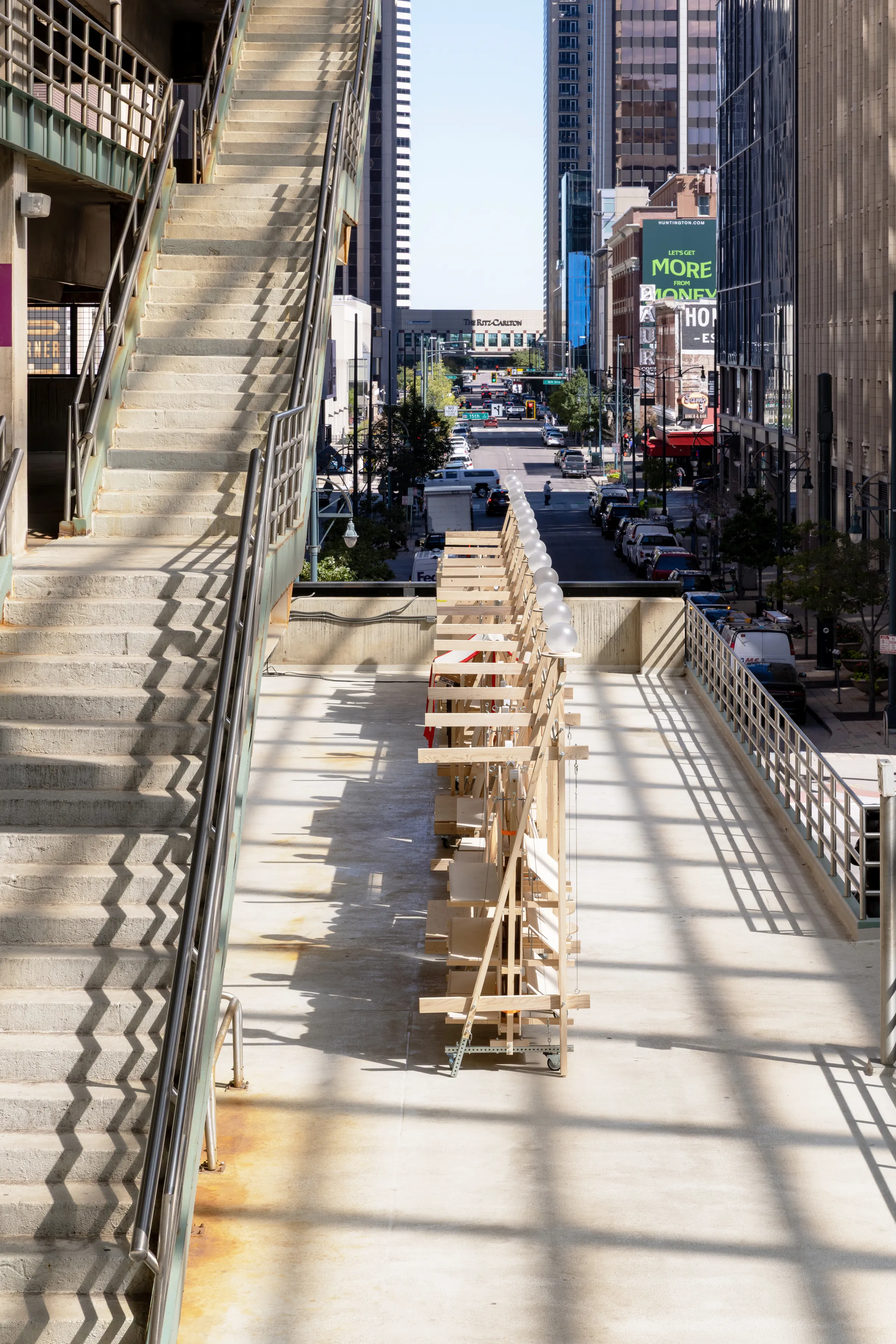
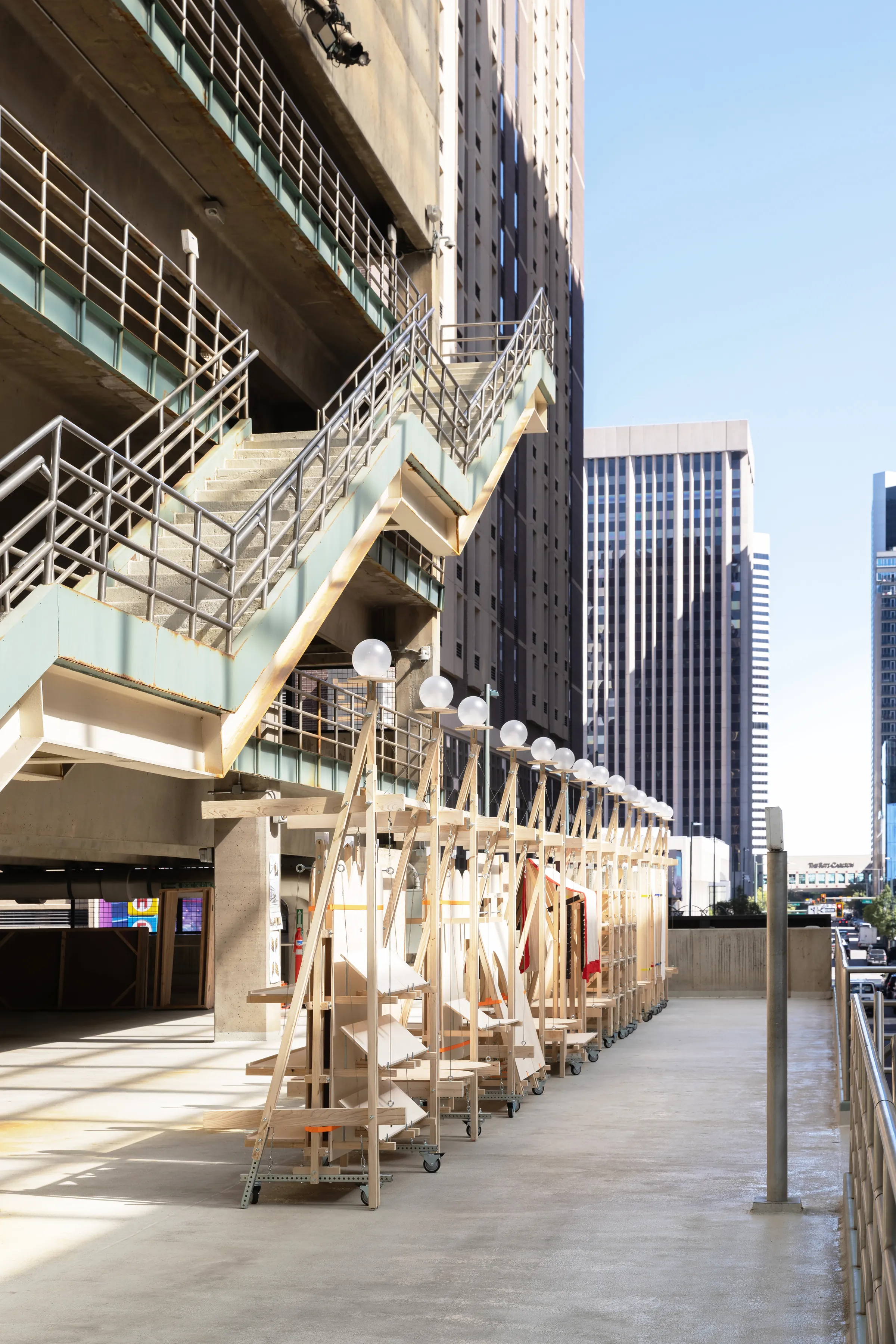
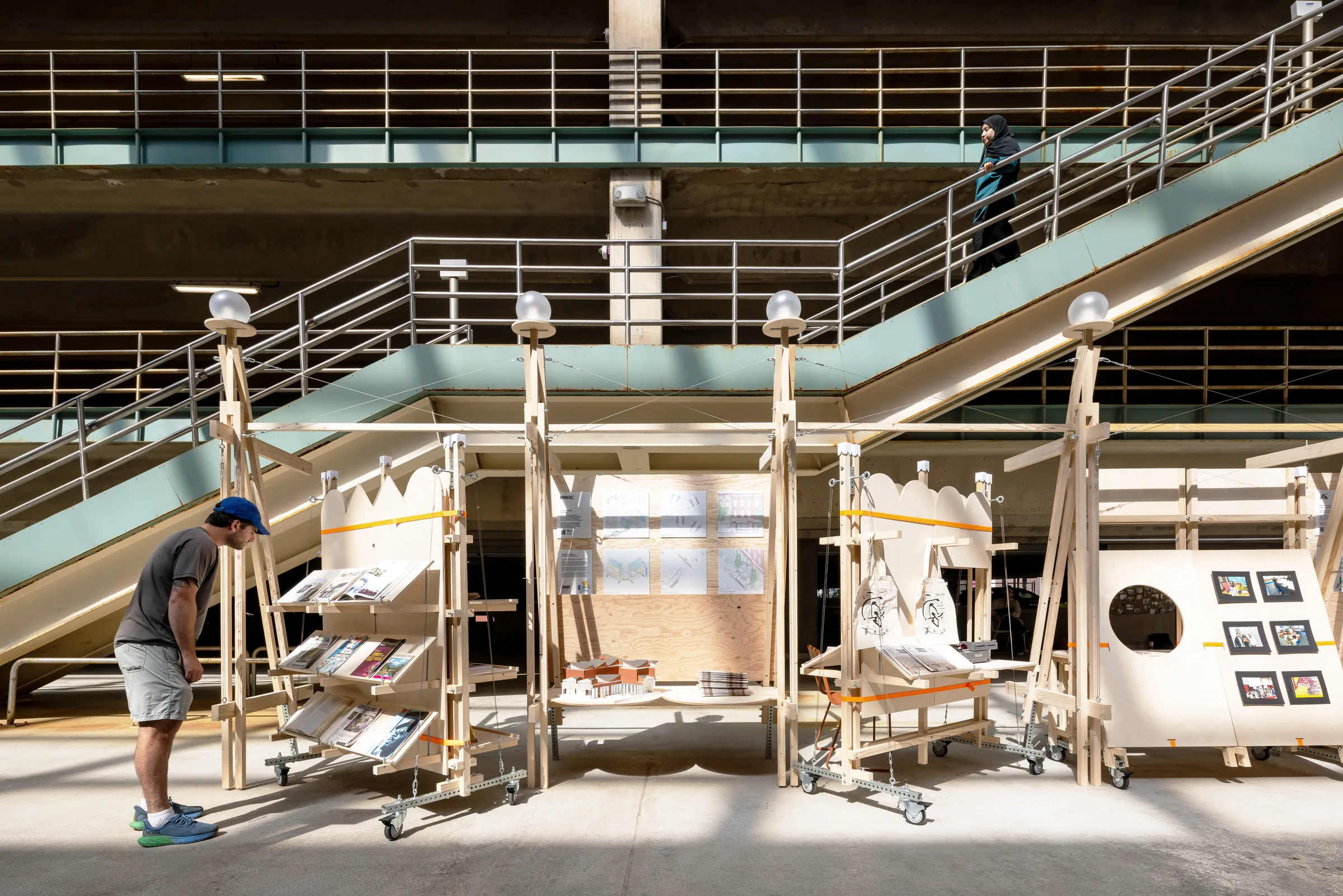
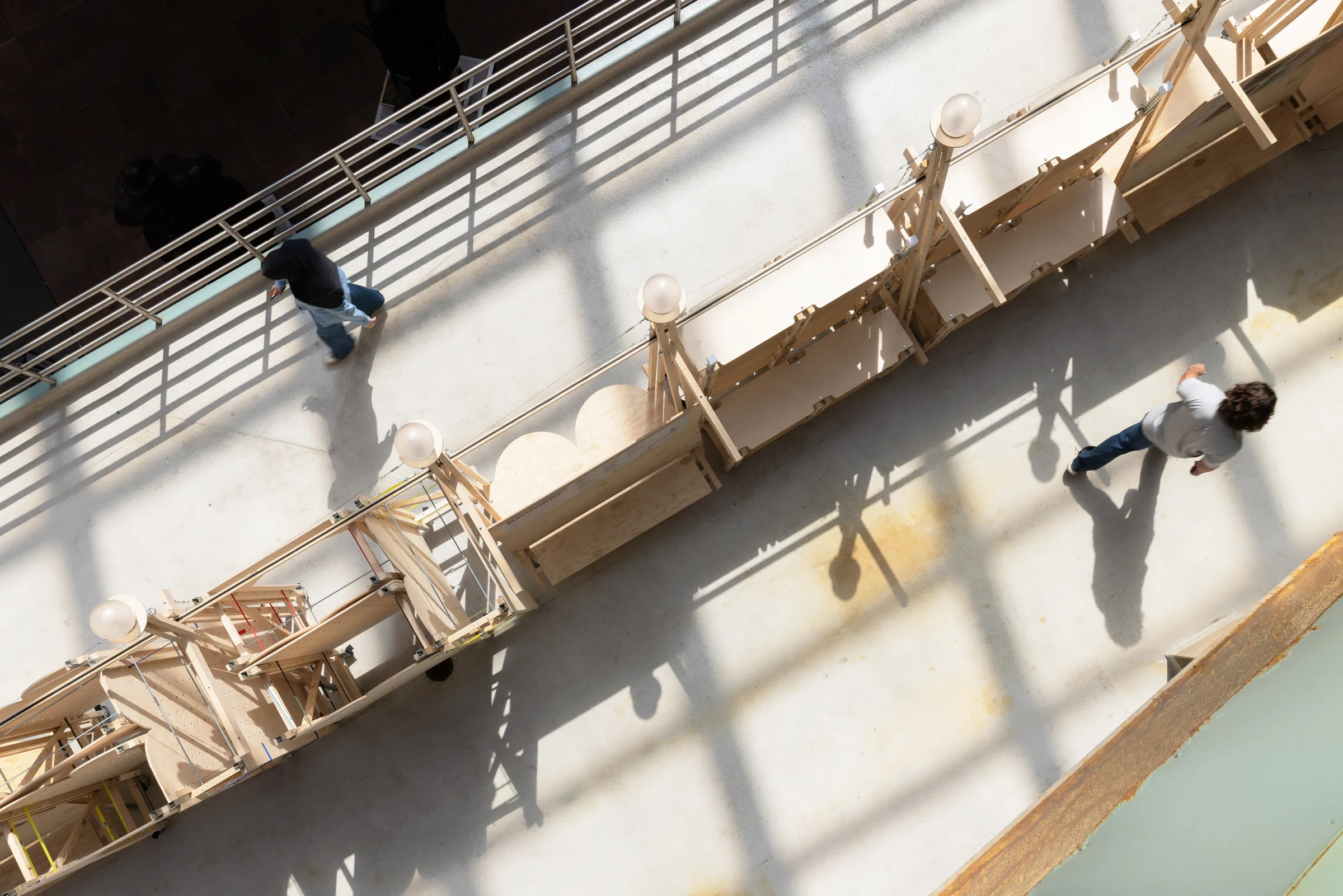
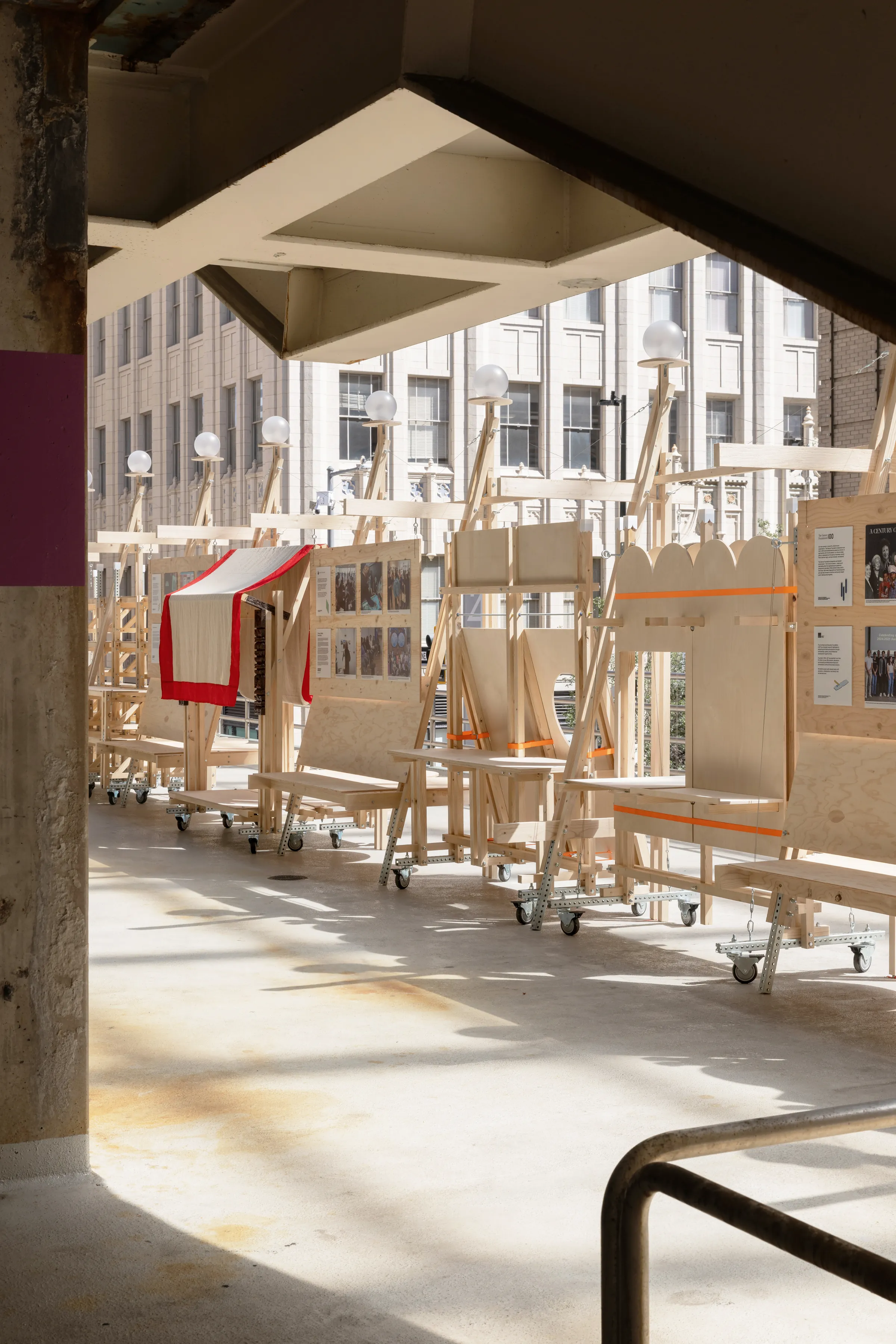
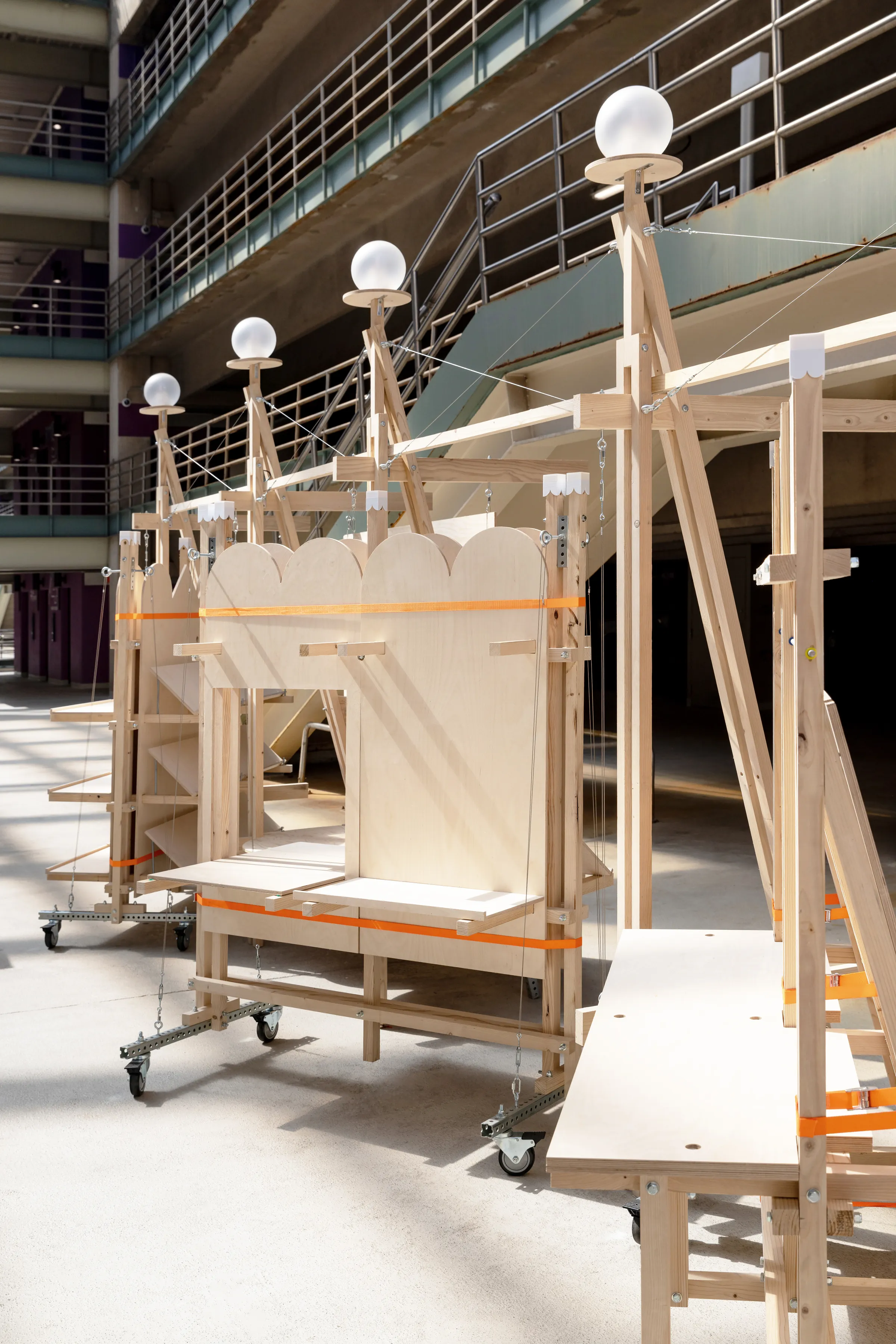
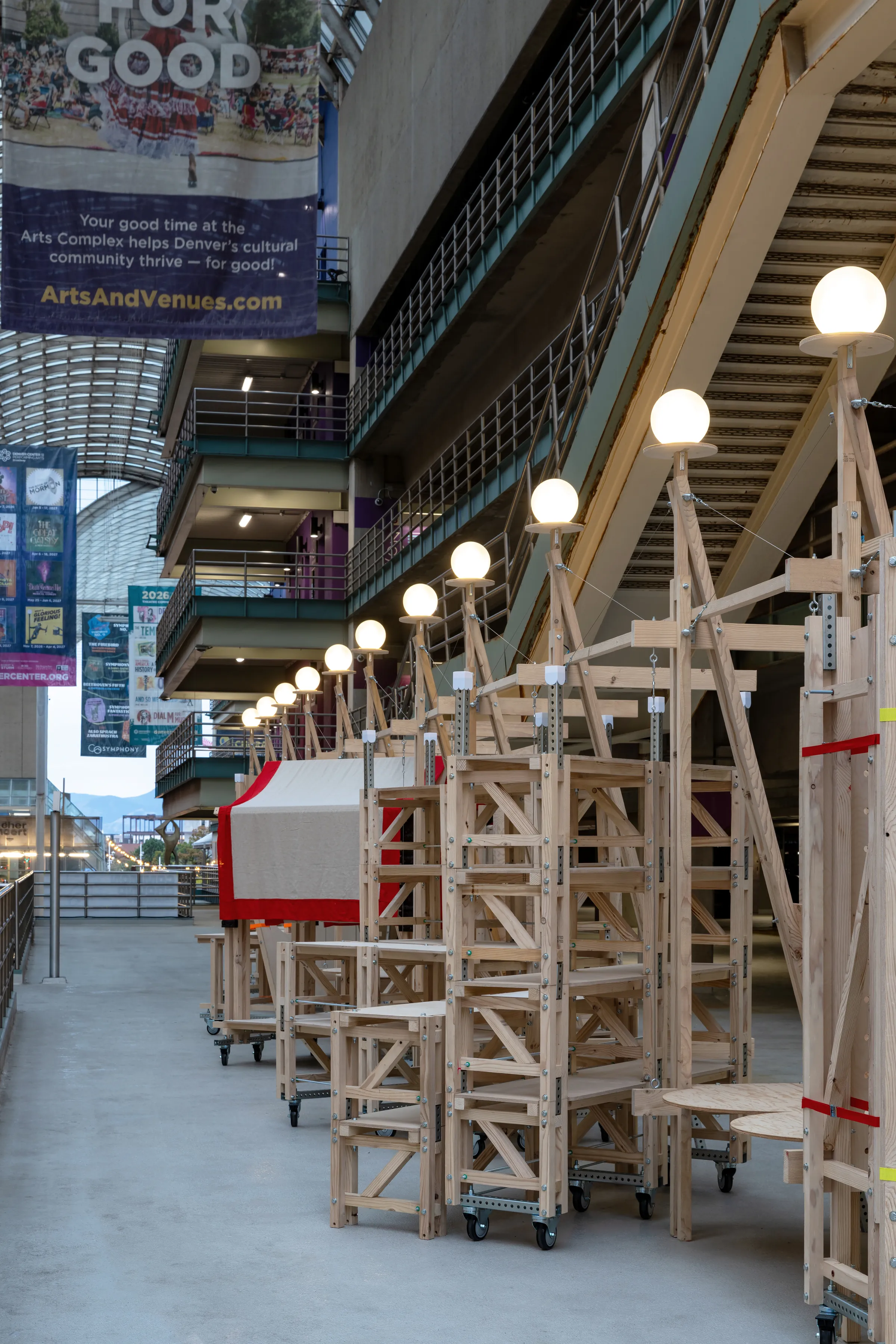
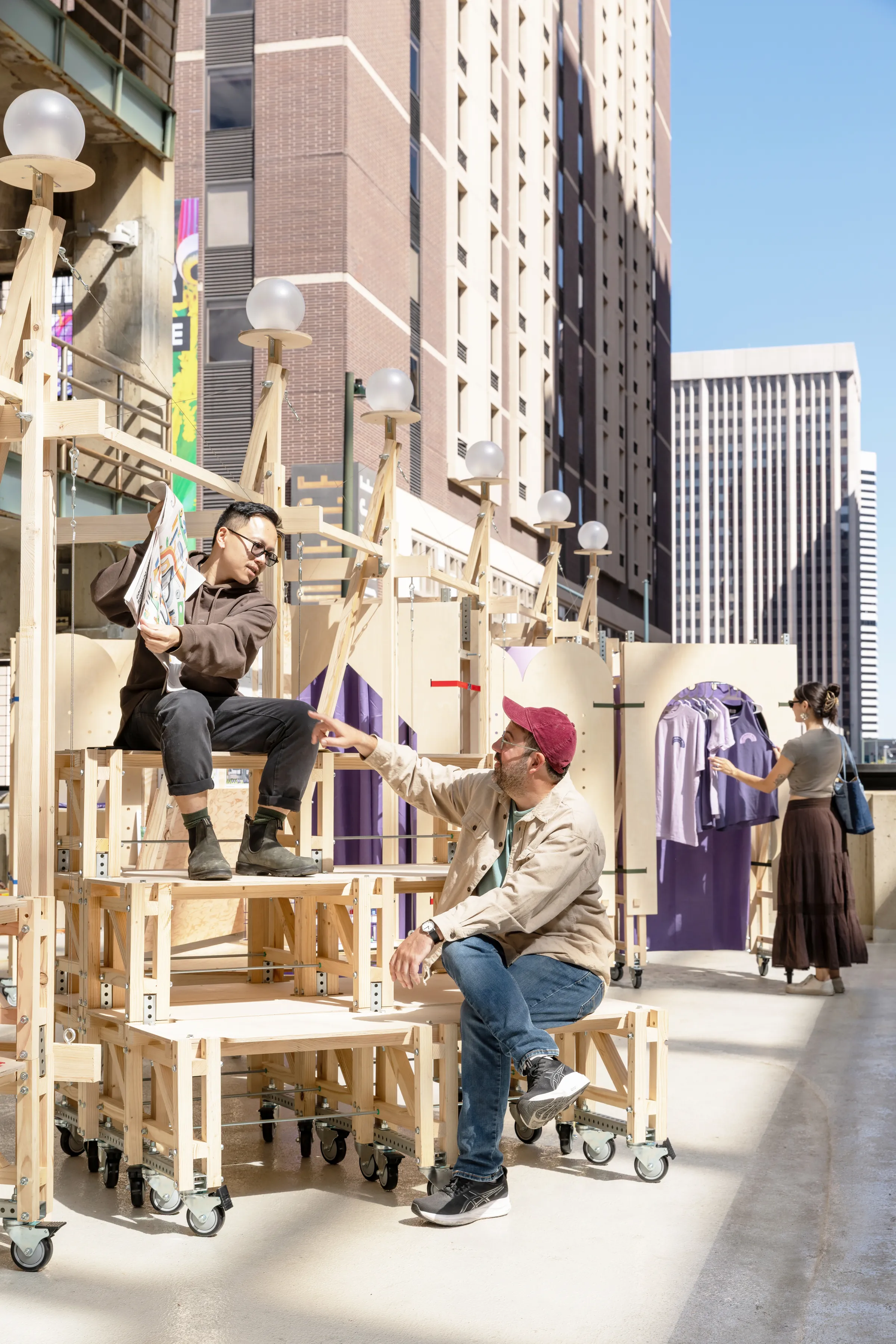
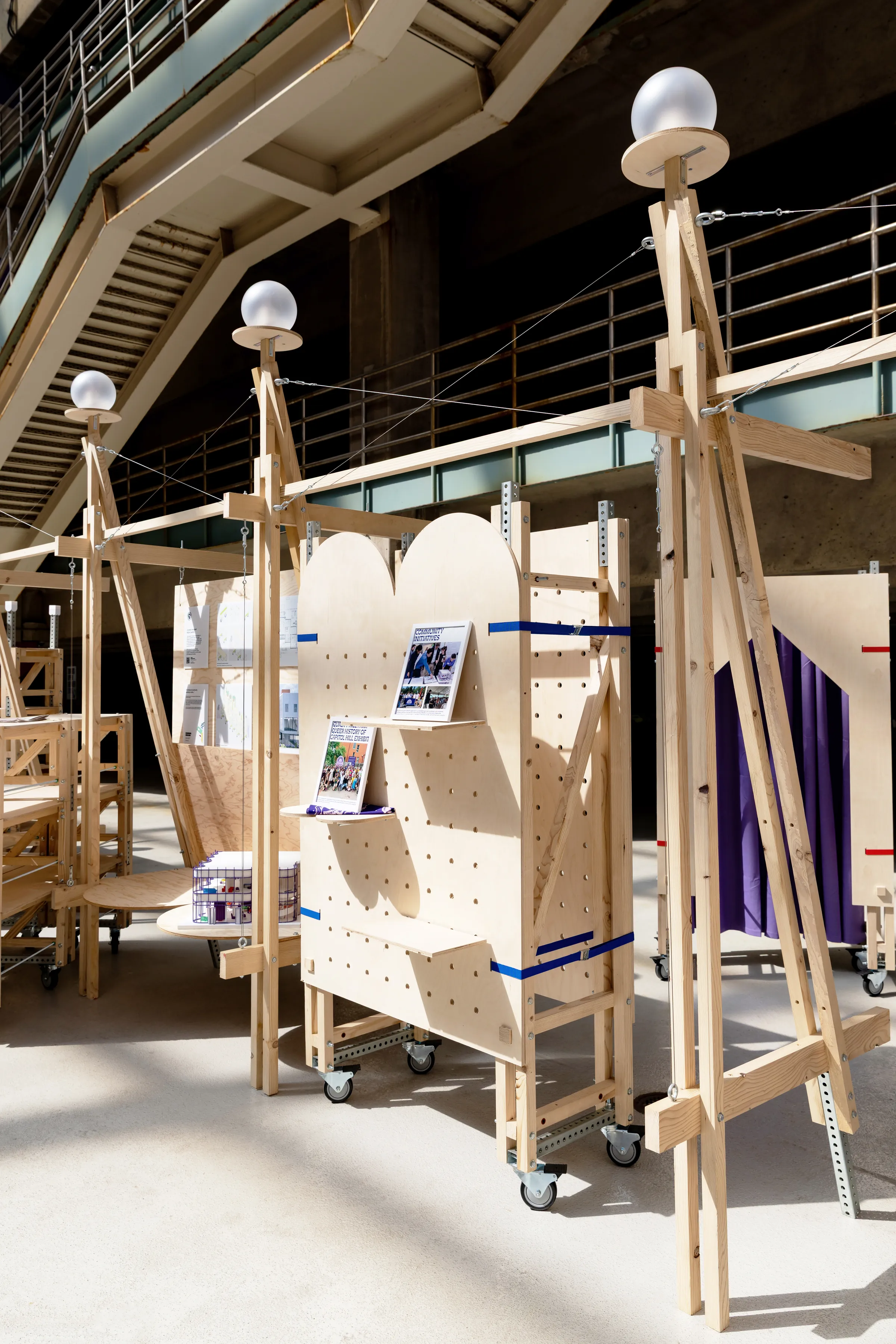
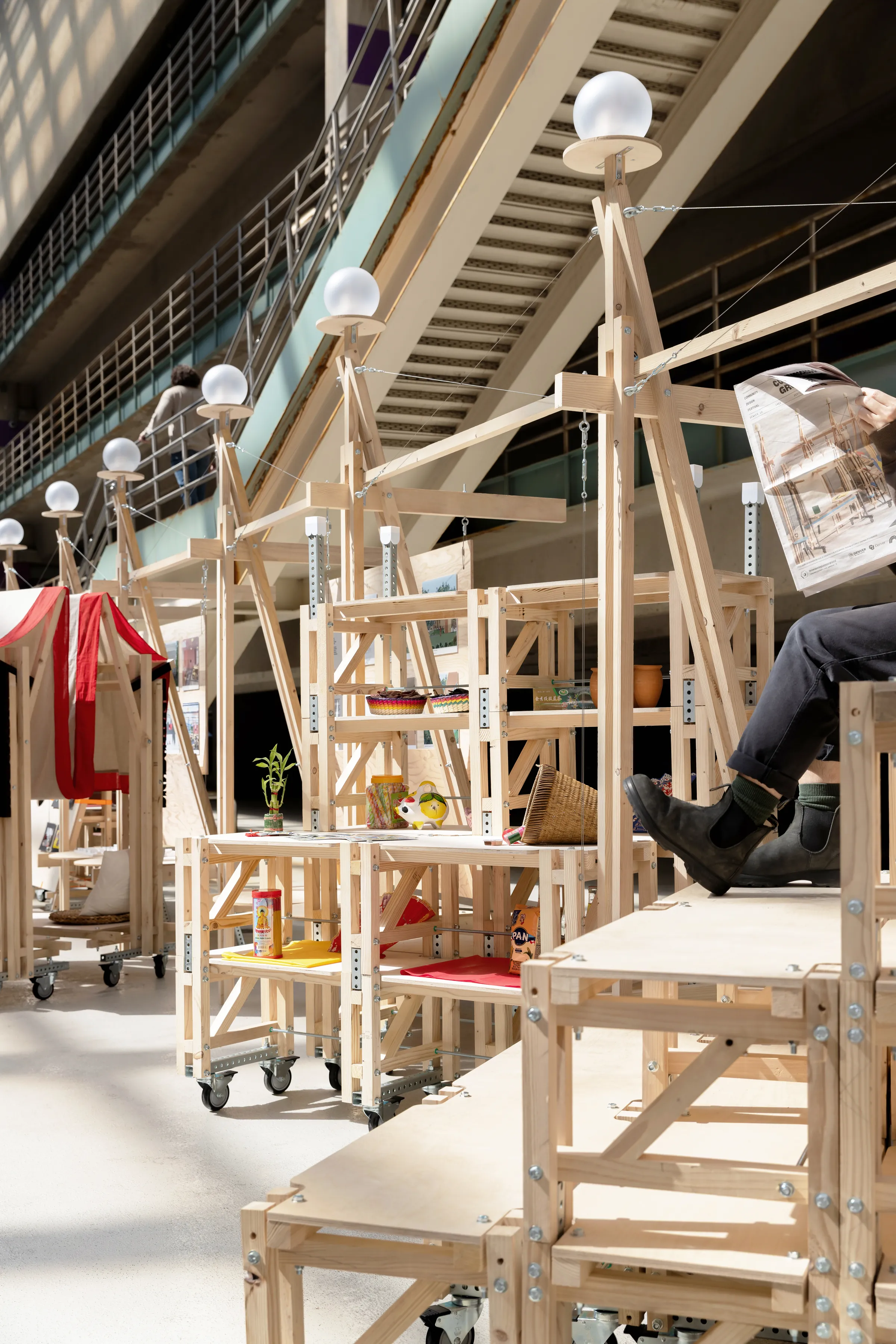
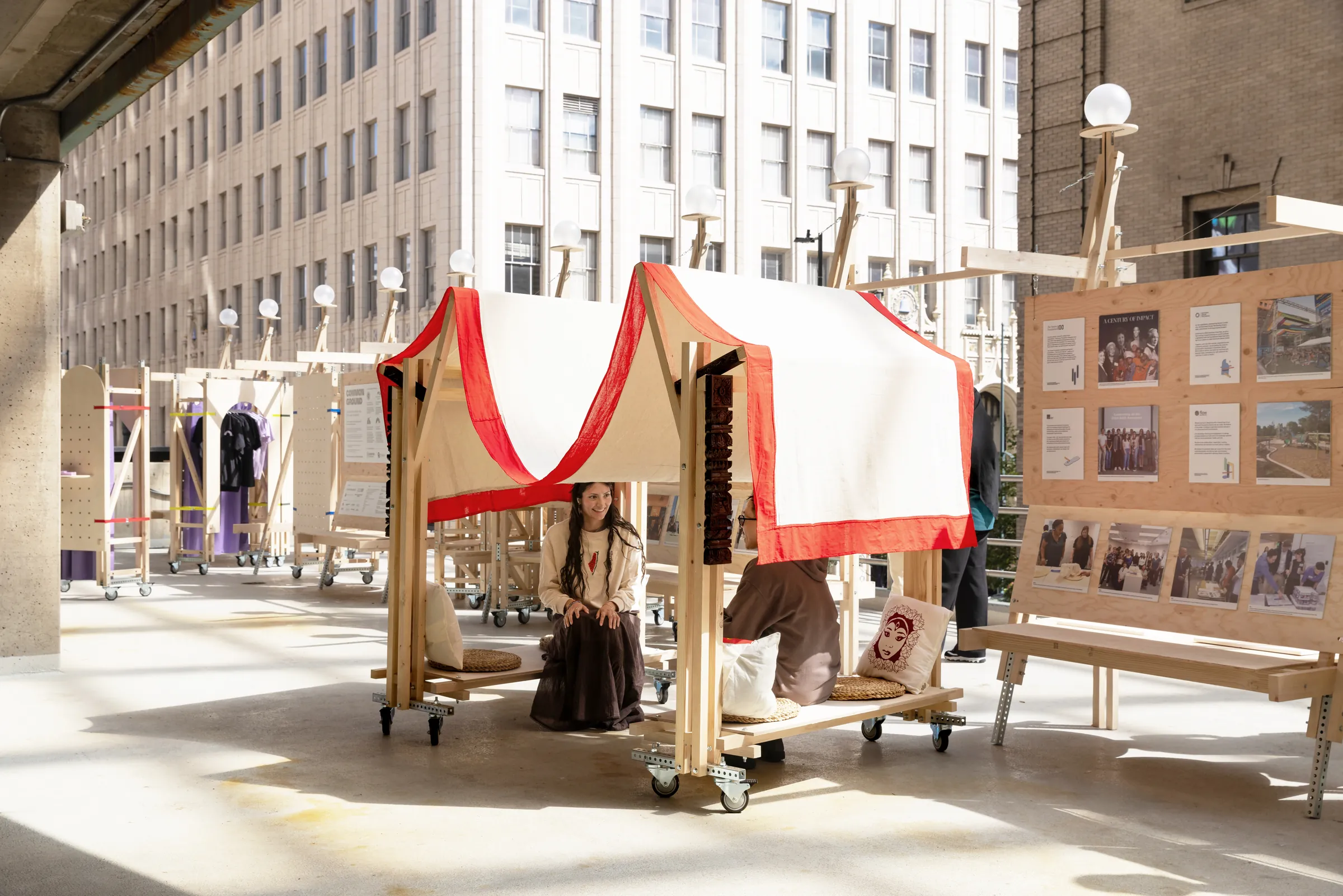
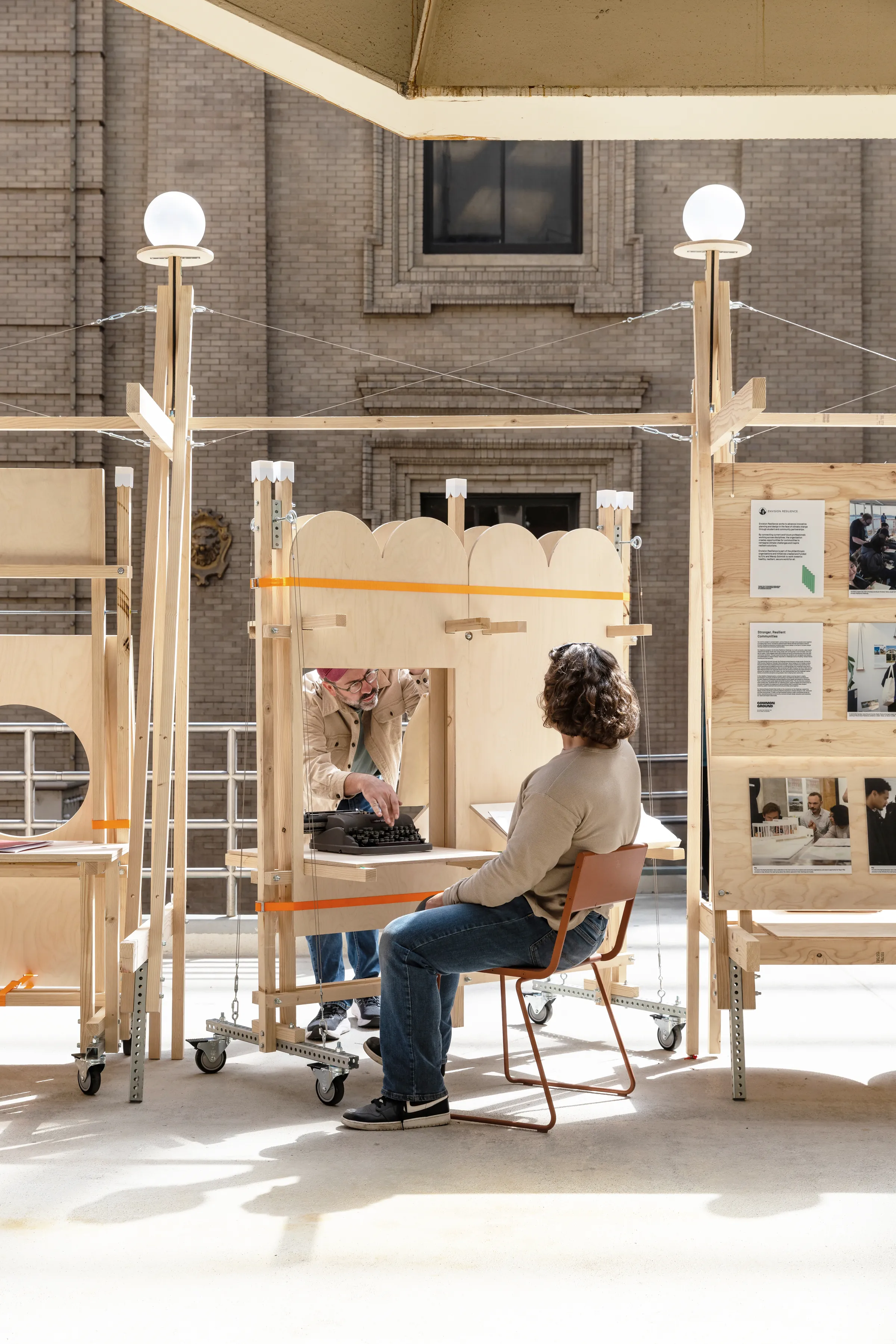
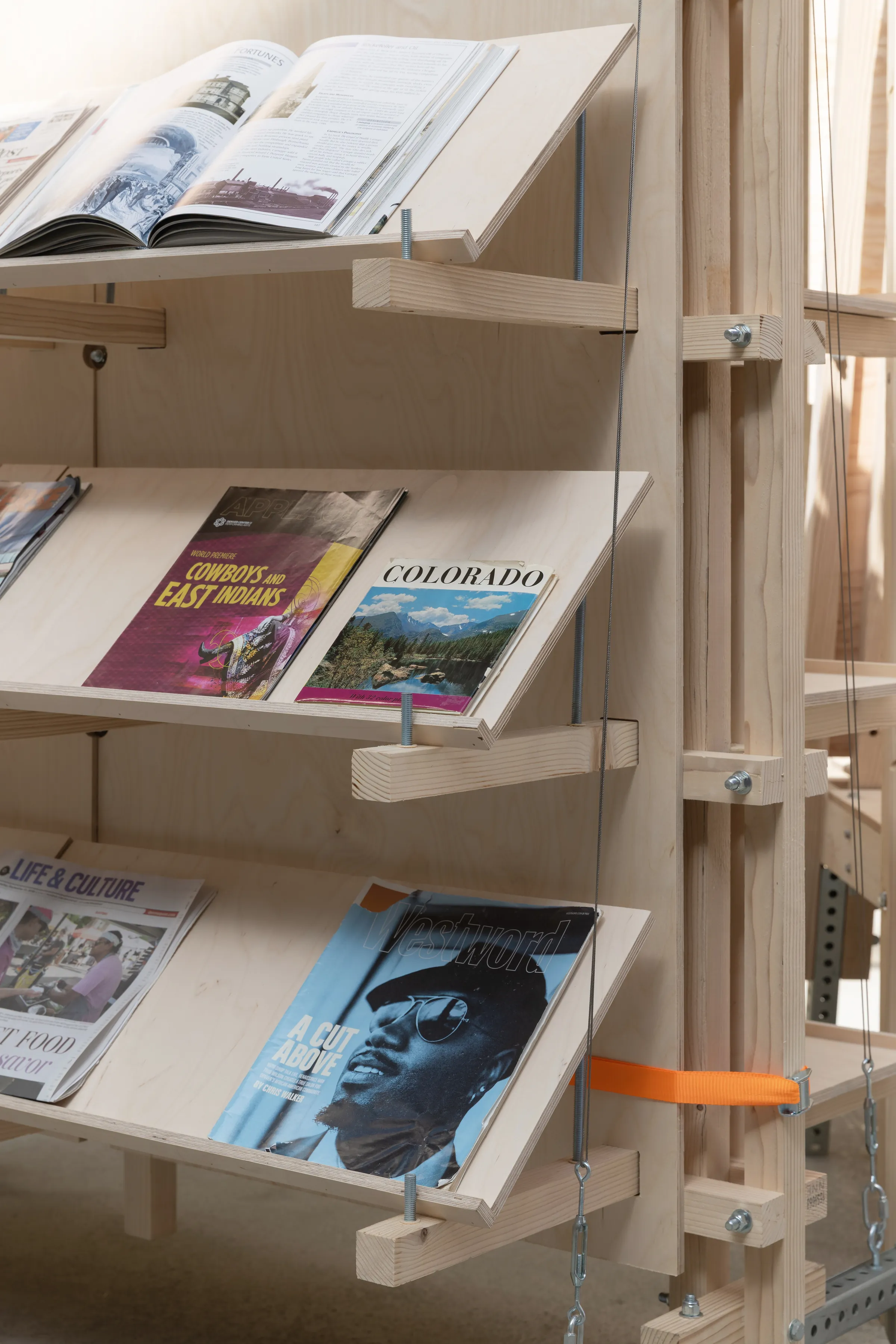
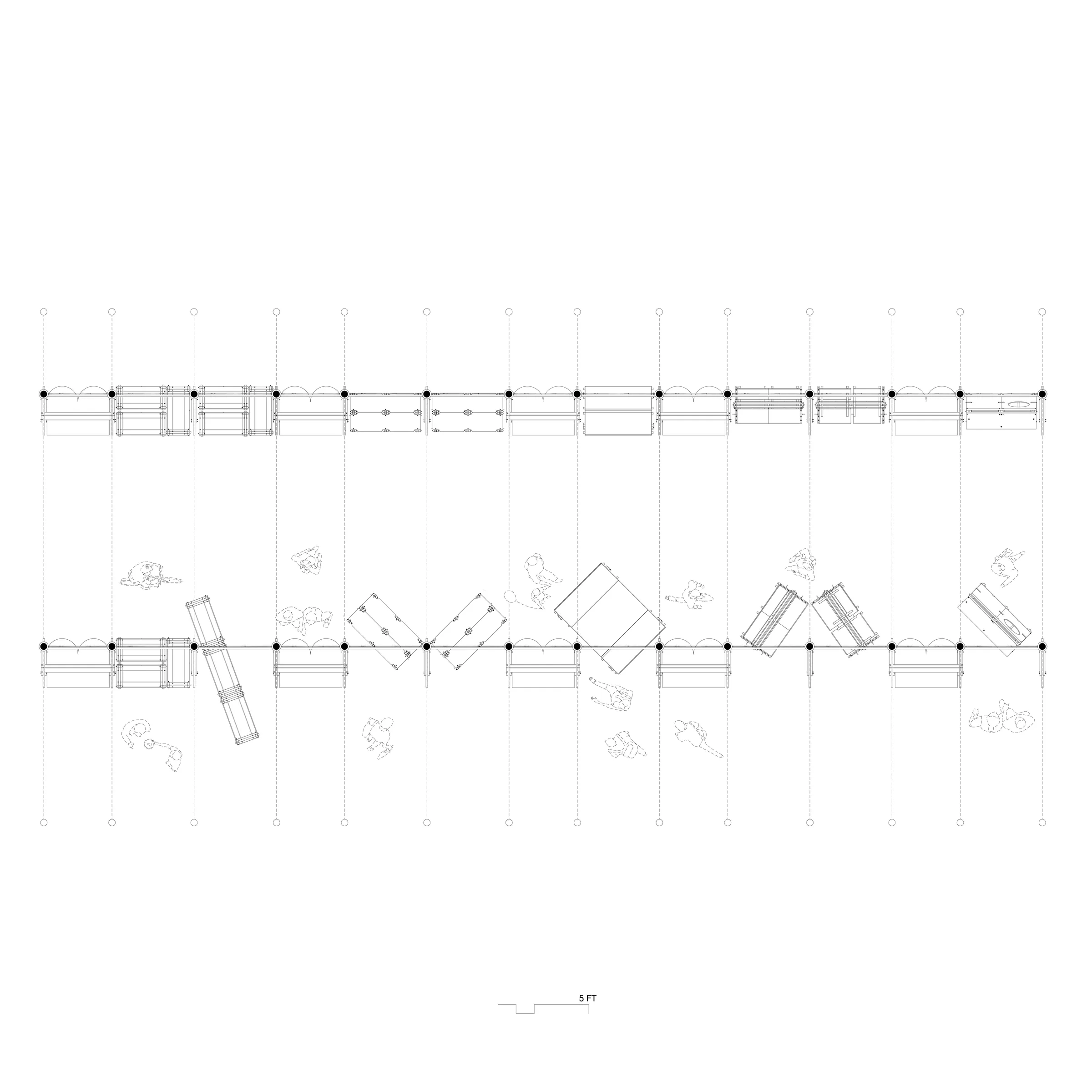
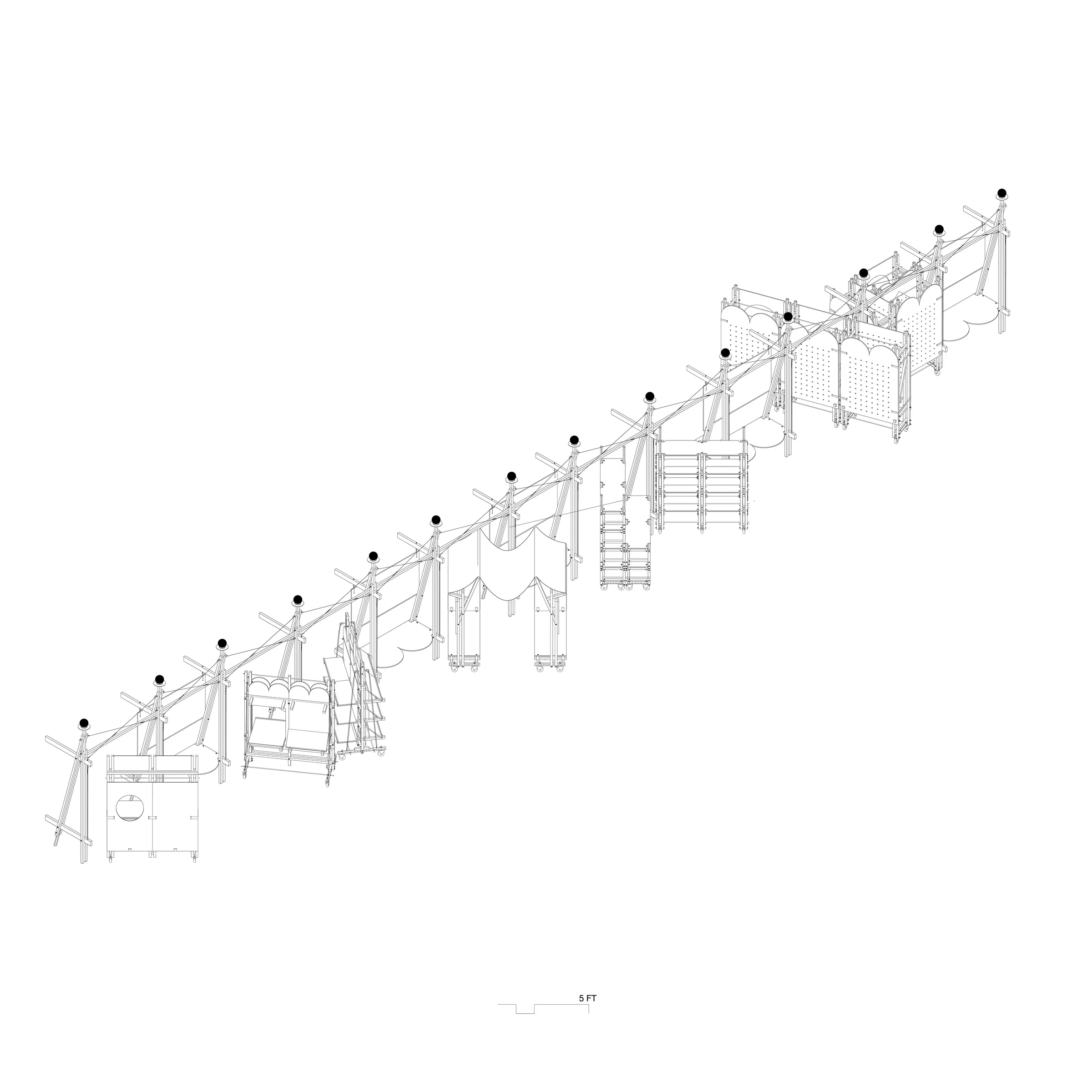
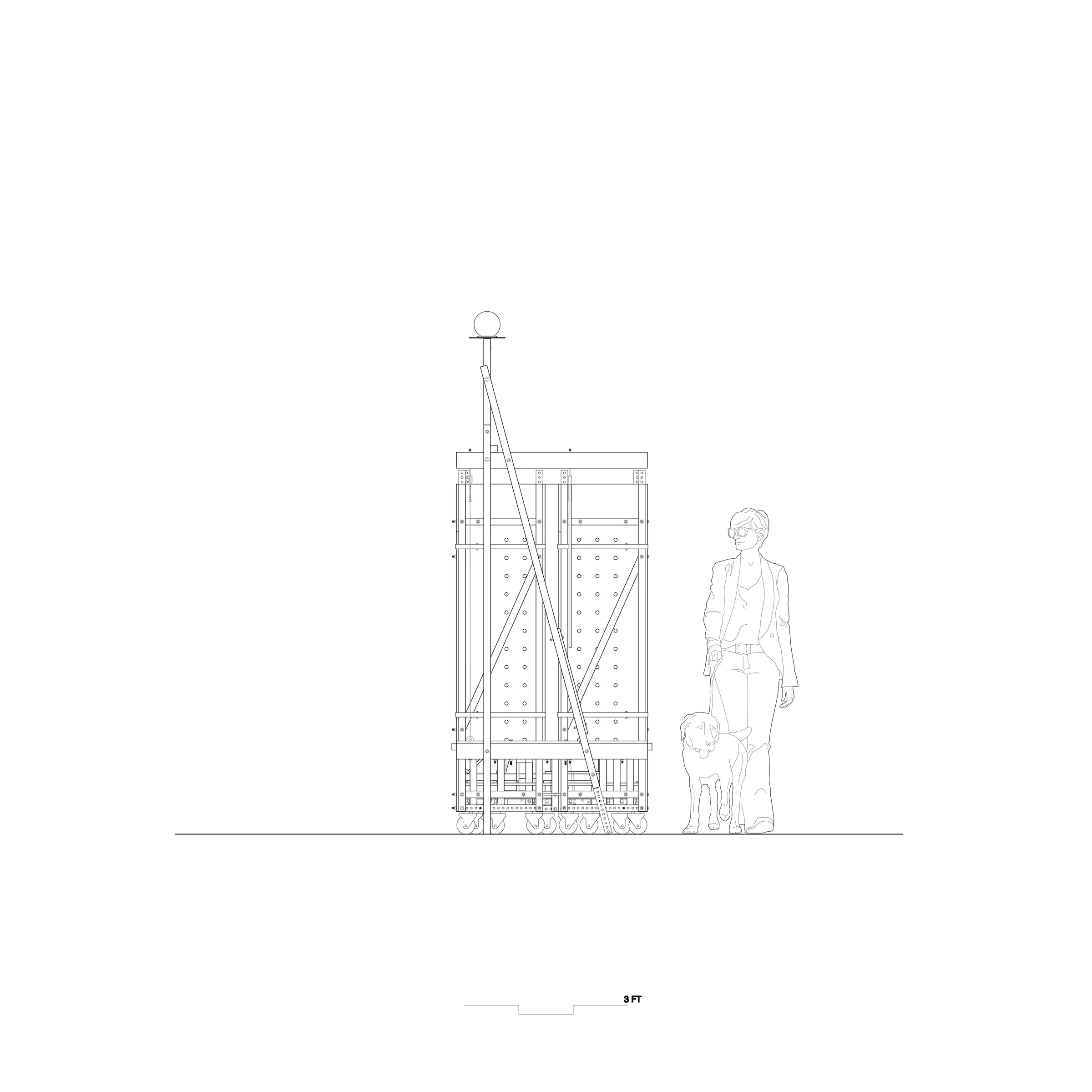
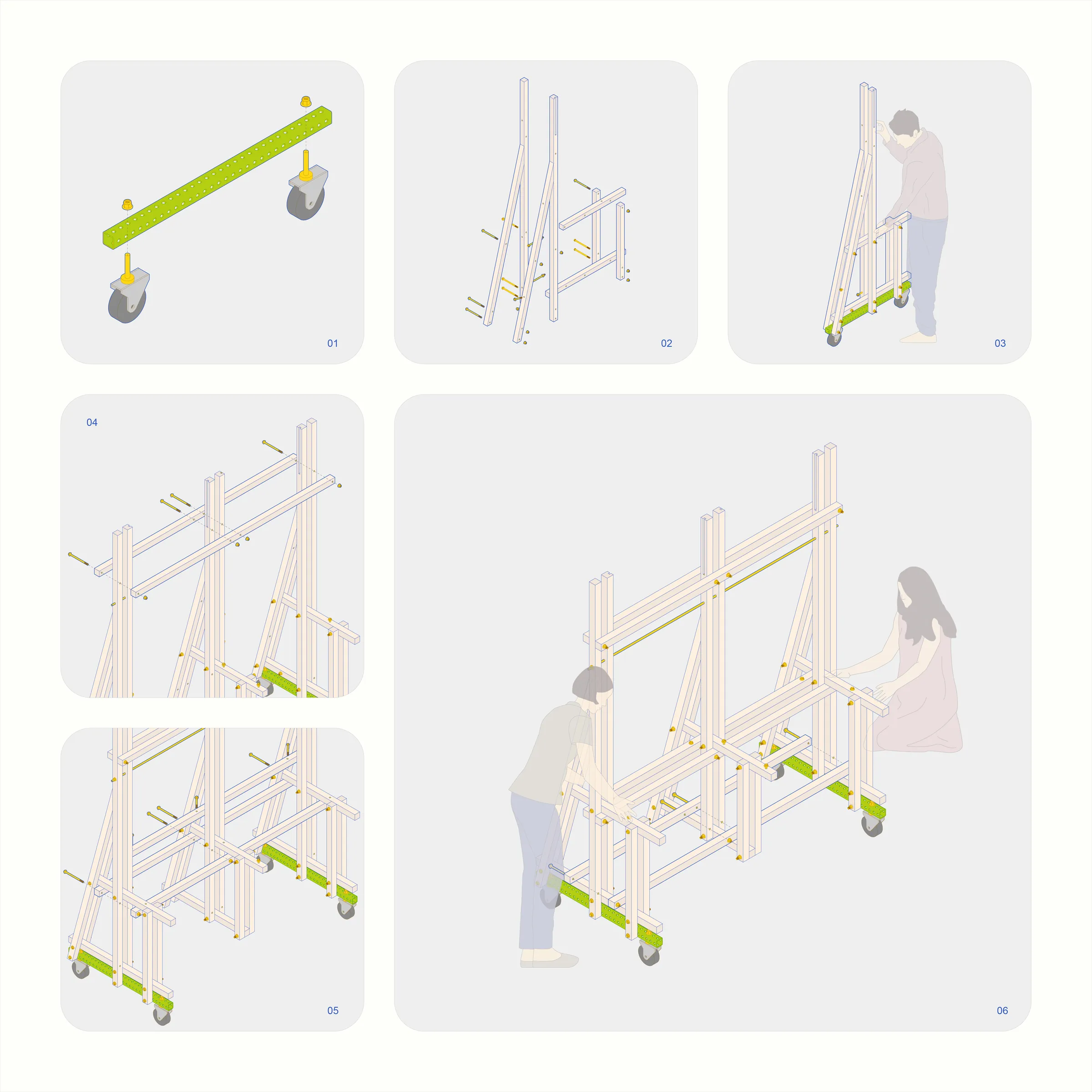
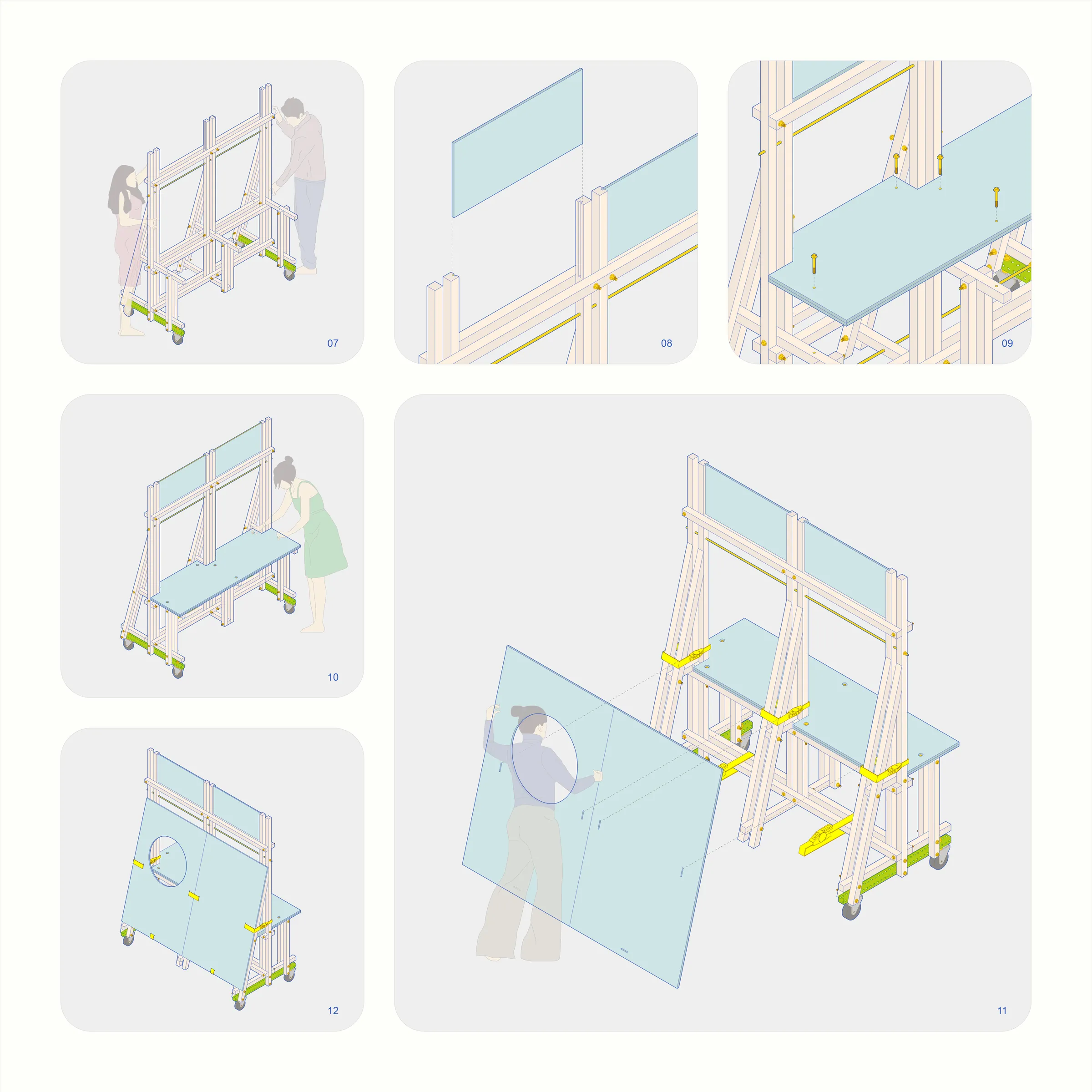
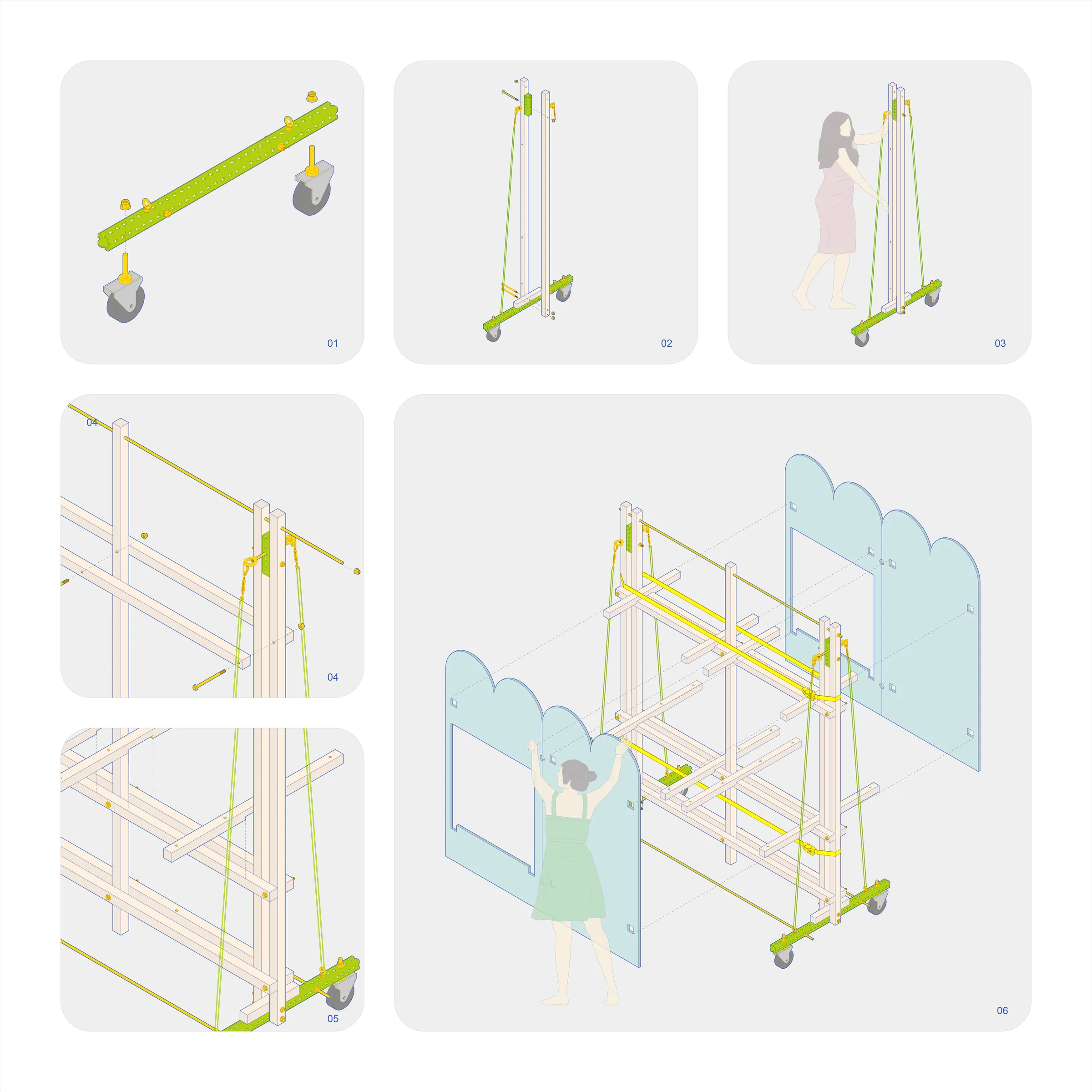
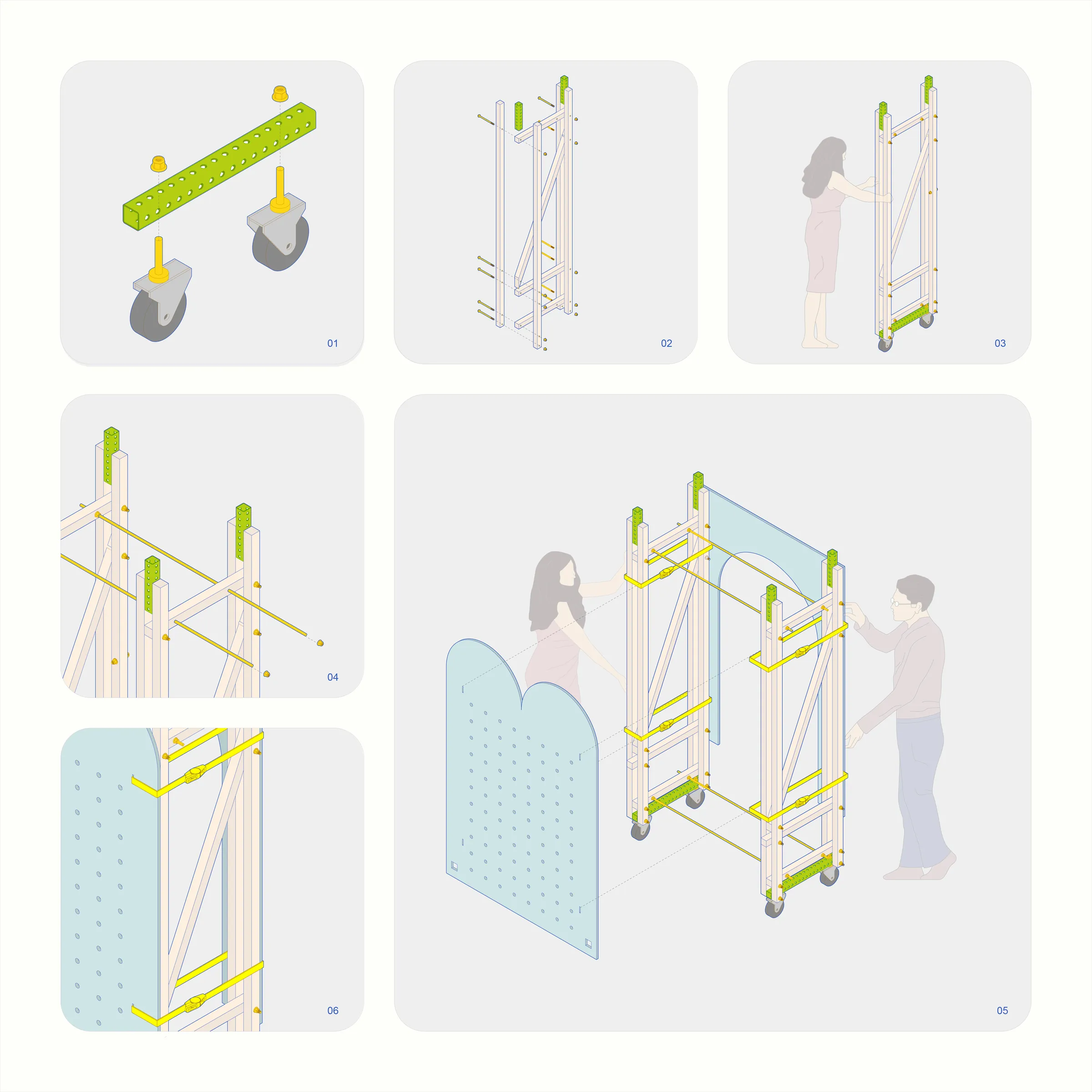
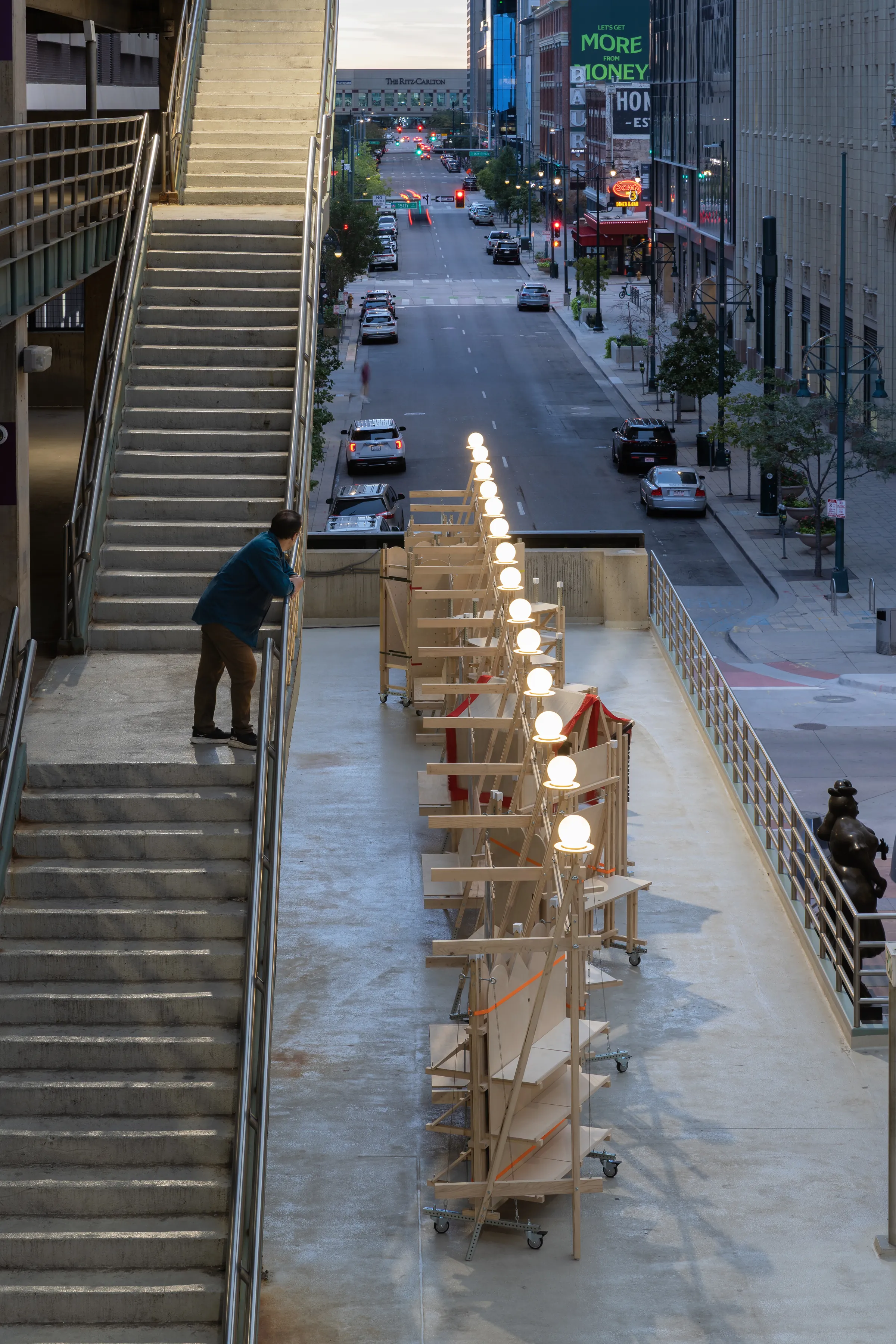
Taking place at the Denver Center for the Performing Arts, the inaugural Denver Community Design Festival, themed “Common Ground,” aims to launch an annual public forum that foregrounds community-authored perspectives in Denver’s built environment. It leverages the power of small-scale, design-build installations as instruments of care to foster inclusive dialogue that celebrates underrepresented narratives and constituents. Initiated by Leyuan Li of Office for Roundtable and CU Denver, in collaboration with the Denver Mayor’s Office, the festival features five temporary installations developed through a year-long process of workshops and reviews involving close collaboration among students, designers, and community-based organizations. Each installation translates and spatializes the values, histories, and needs of a specific community partner: the pavilion for the Colorado Nepalese Community reinterprets the traditional falcha as a space for gathering and exchange. The installation for the Lavender Hill Cultural District consists of a series of movable shelves adorned with curtains that can be used to stage and display merchandise and cultural artifacts. Designed for Empower Media Exchange, two movable display stands showcase media assets and newspapers from across Colorado. The installation for Greater Denver CARES, an organization dedicated to improving literacy for historically resilient youth, combines a writing table on one side with a display wall on the other, creating a space for both learning and storytelling. Finally, the installation for the Colorado Immigrant Rights Coalition consists of a series of stackable benches that can function as seating, shelving for cultural displays, or a small stage. Together, these installations are nested within a linear framework oriented toward Denver’s downtown skyline, collectively transforming the platform of a parking garage into a civic platform for community sharing and learning.
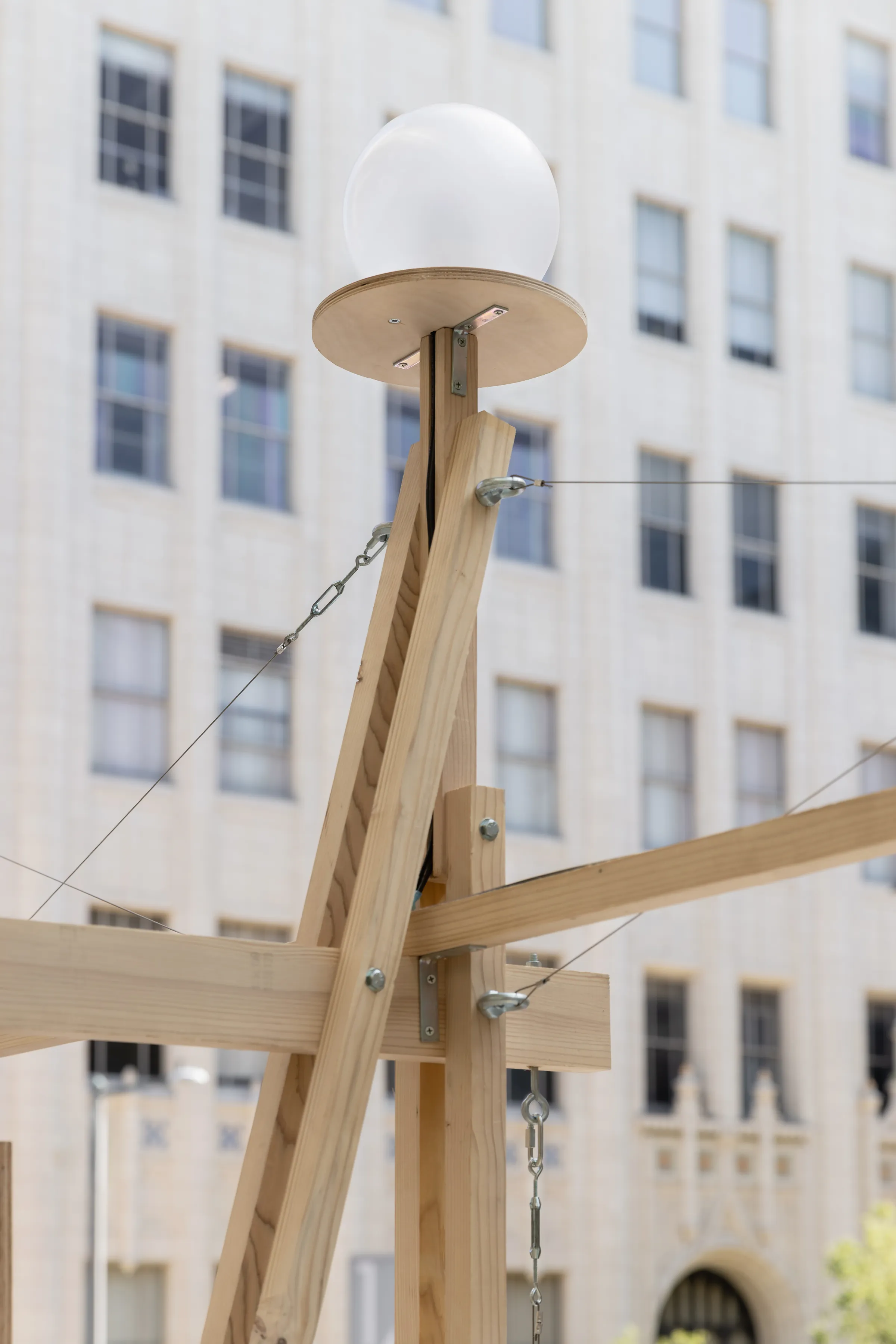
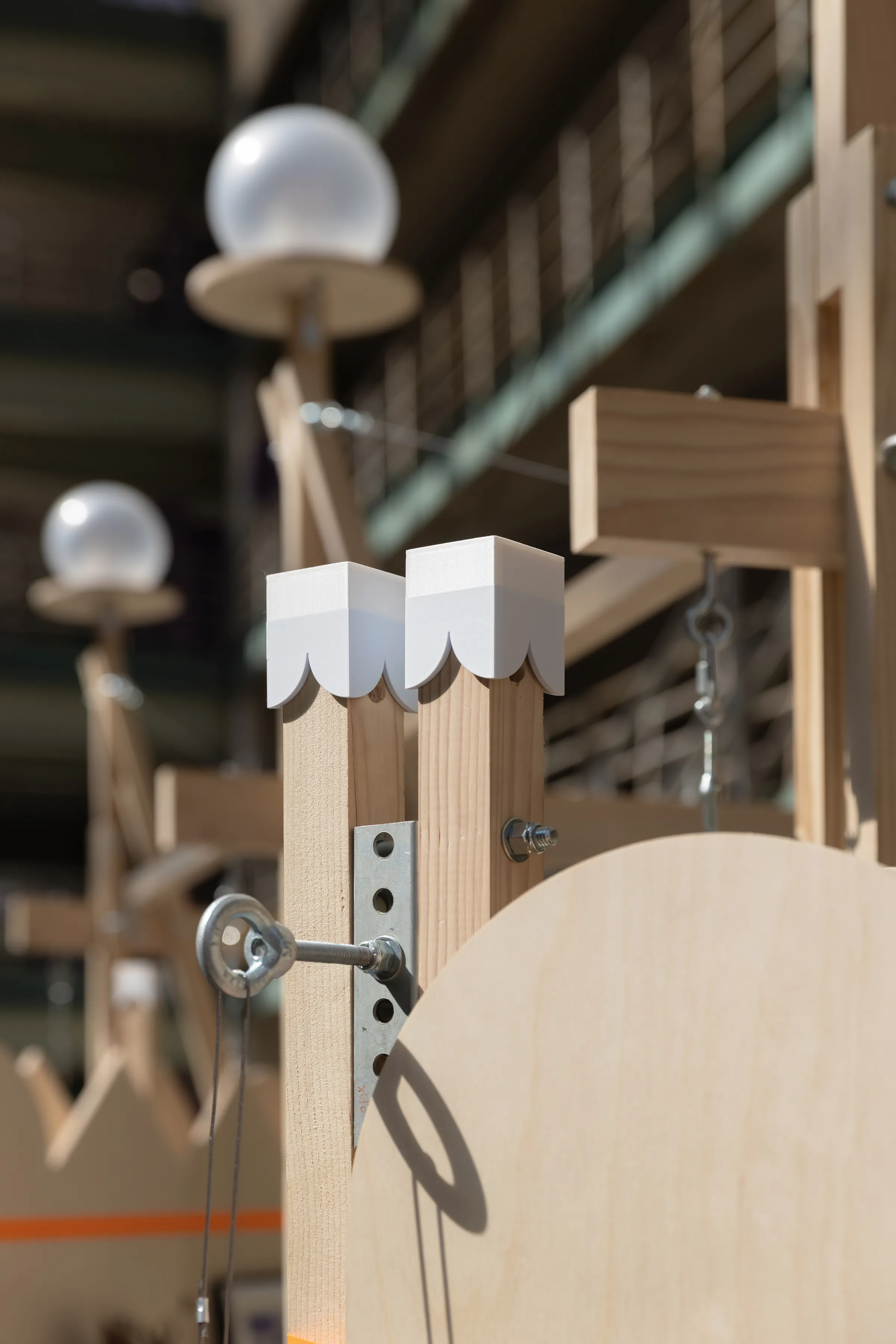
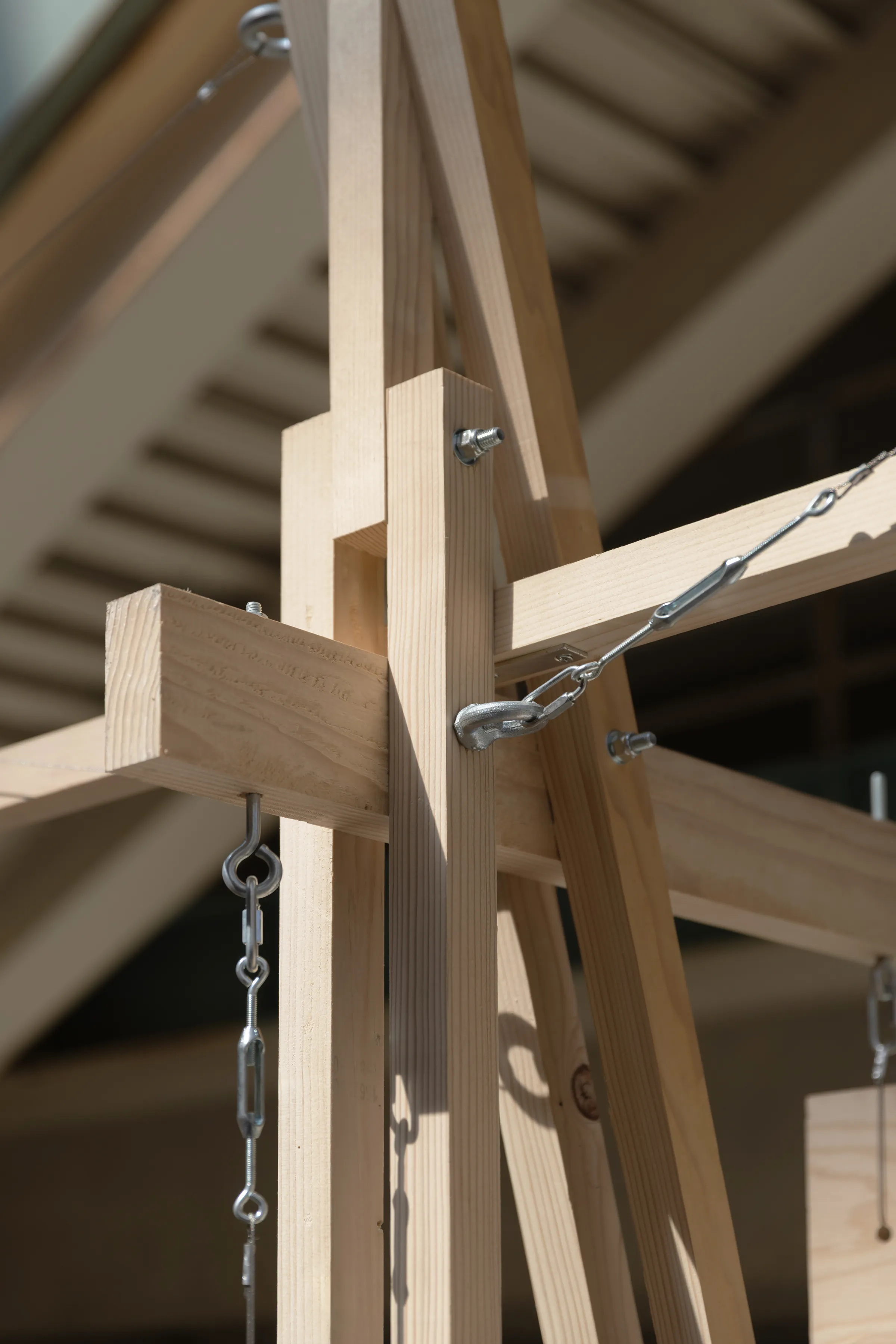
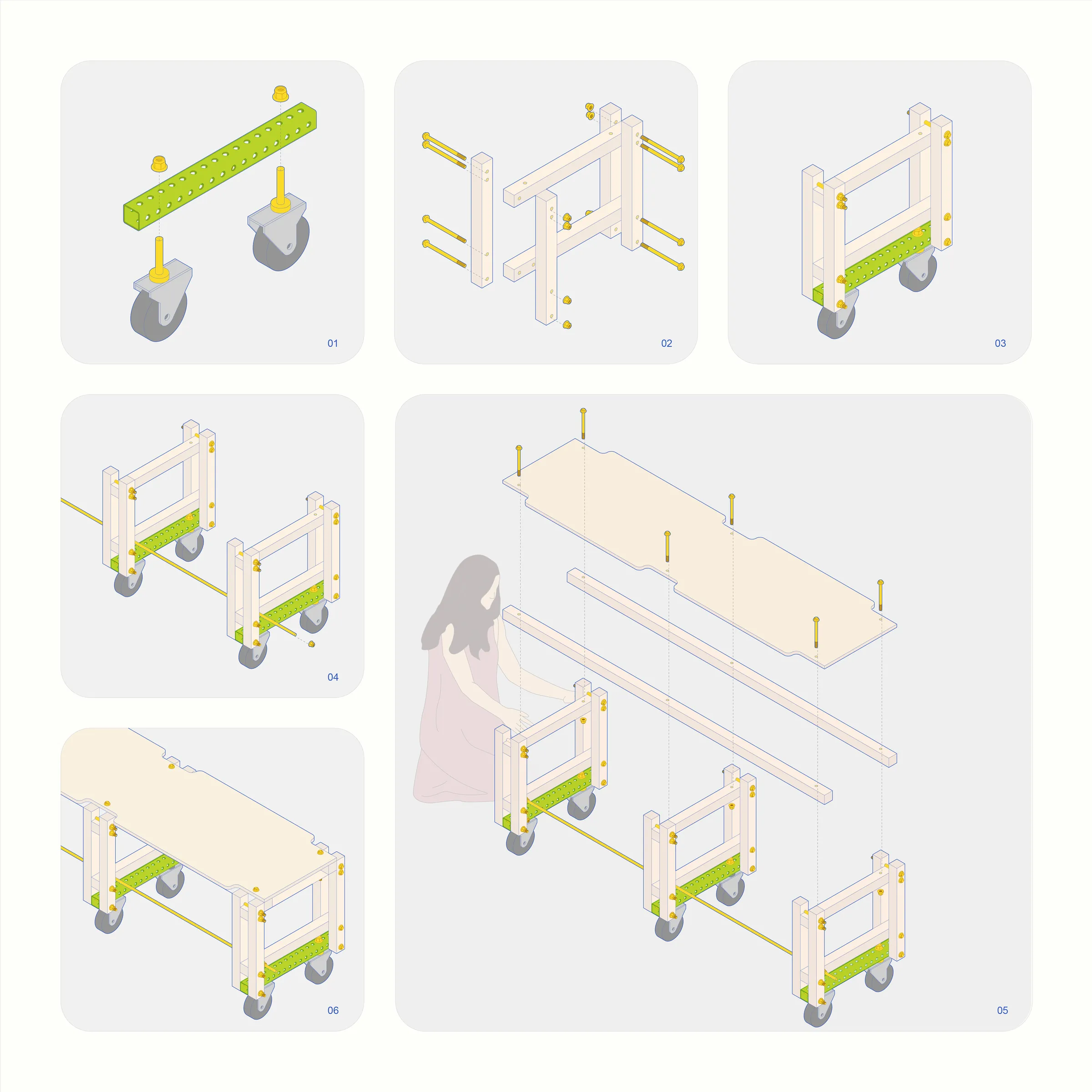
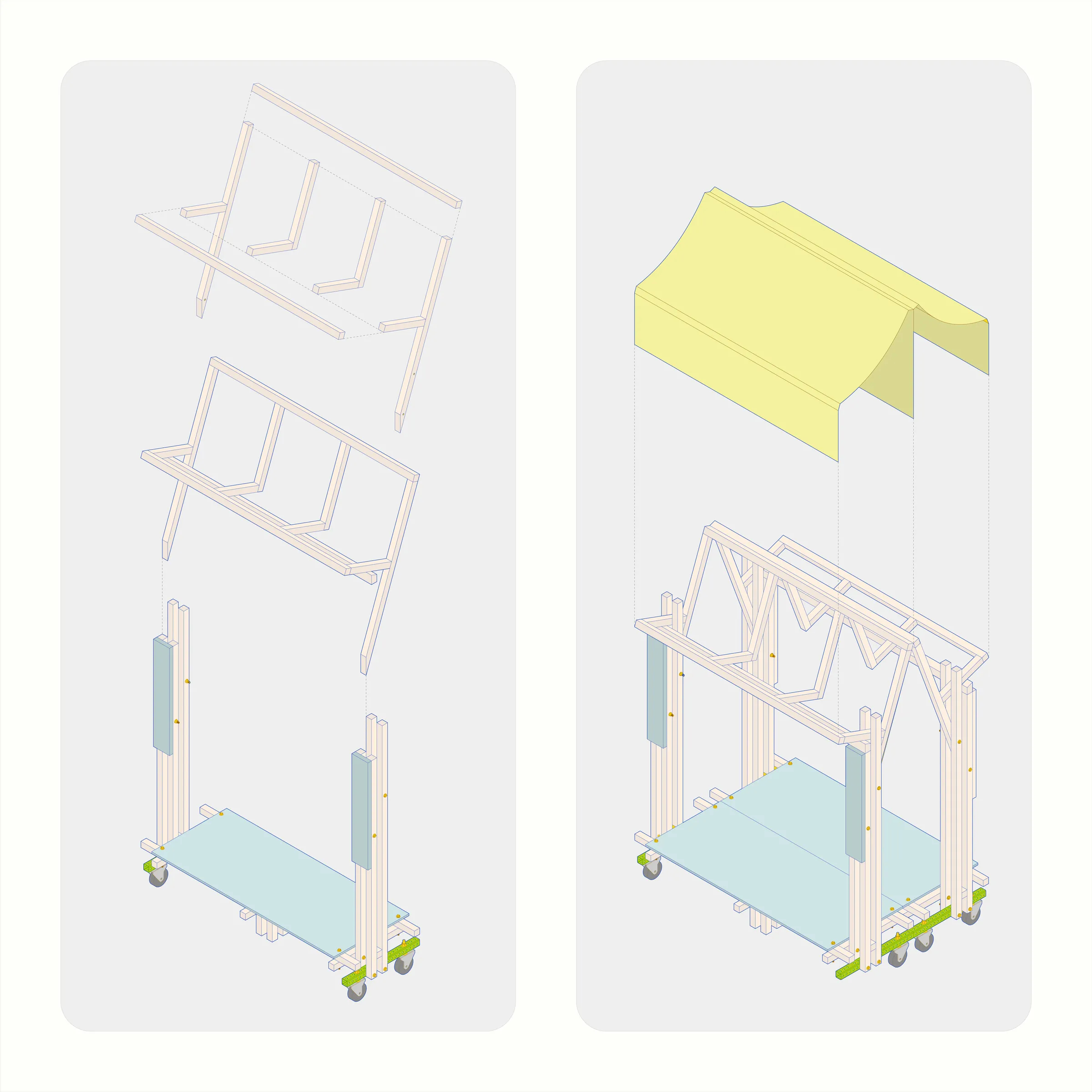
Conceived as a flexible assembly system of wood, ratchet straps, and metal joints, the structures can be easily dismantled and reassembled to accommodate the needs of different communities and locations, enabling them to transform and adapt to the spaces they inhabit. The installations are designed to serve their communities beyond the festival: during the festival, they will host community-led performances, discussions, and workshops; afterward, they will be relocated to the neighborhoods of their partner organizations and activated in different settings, including pop-ups, fairs, and other community events, extending their impact as lasting sites of public imagination and social interaction. By cultivating collective action and creating opportunities for community-led architectural knowledge to be shared, the festival seeks to establish a common ground, both literally and metaphorically, from which a more just and resilient urban future for Denver and beyond can emerge.