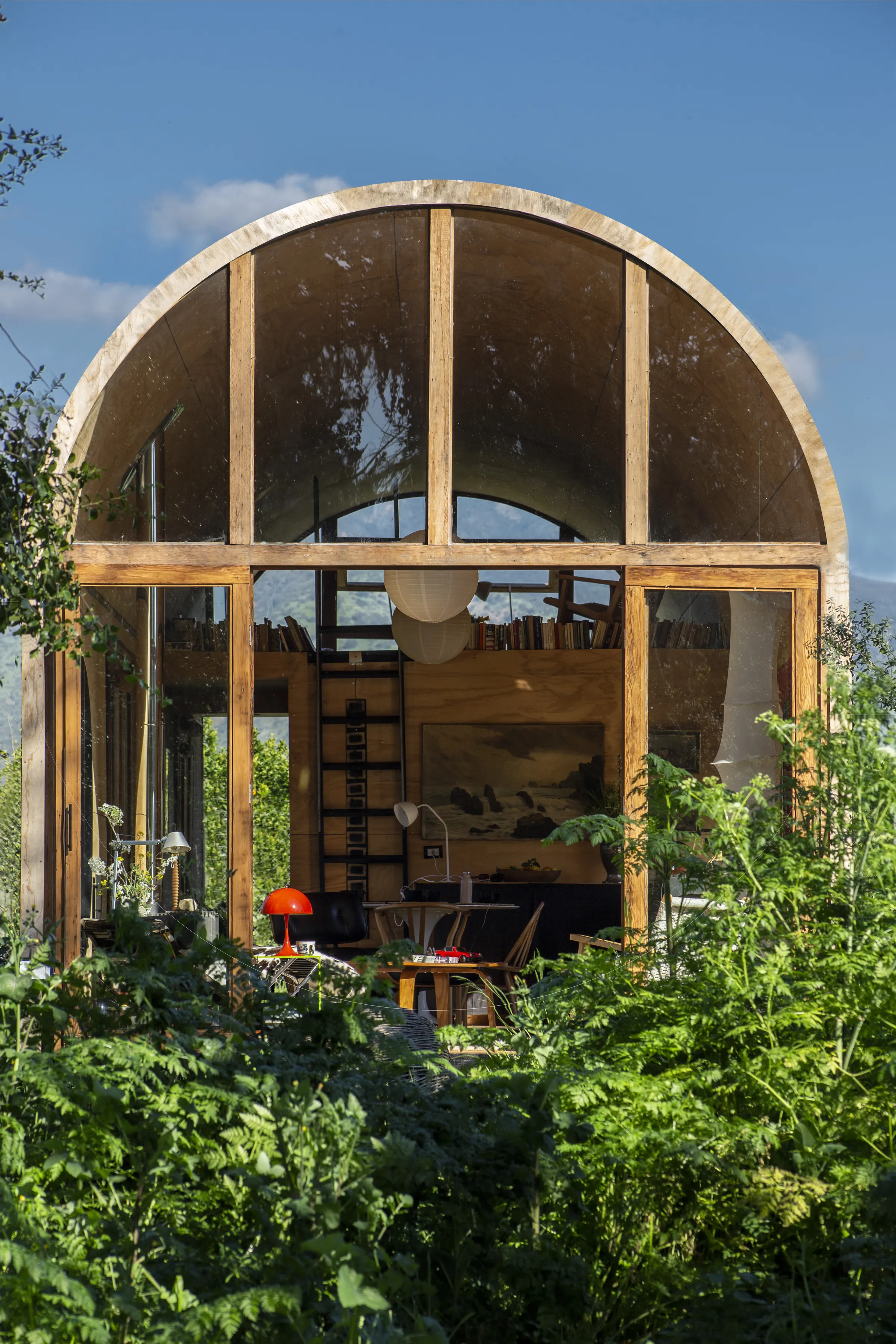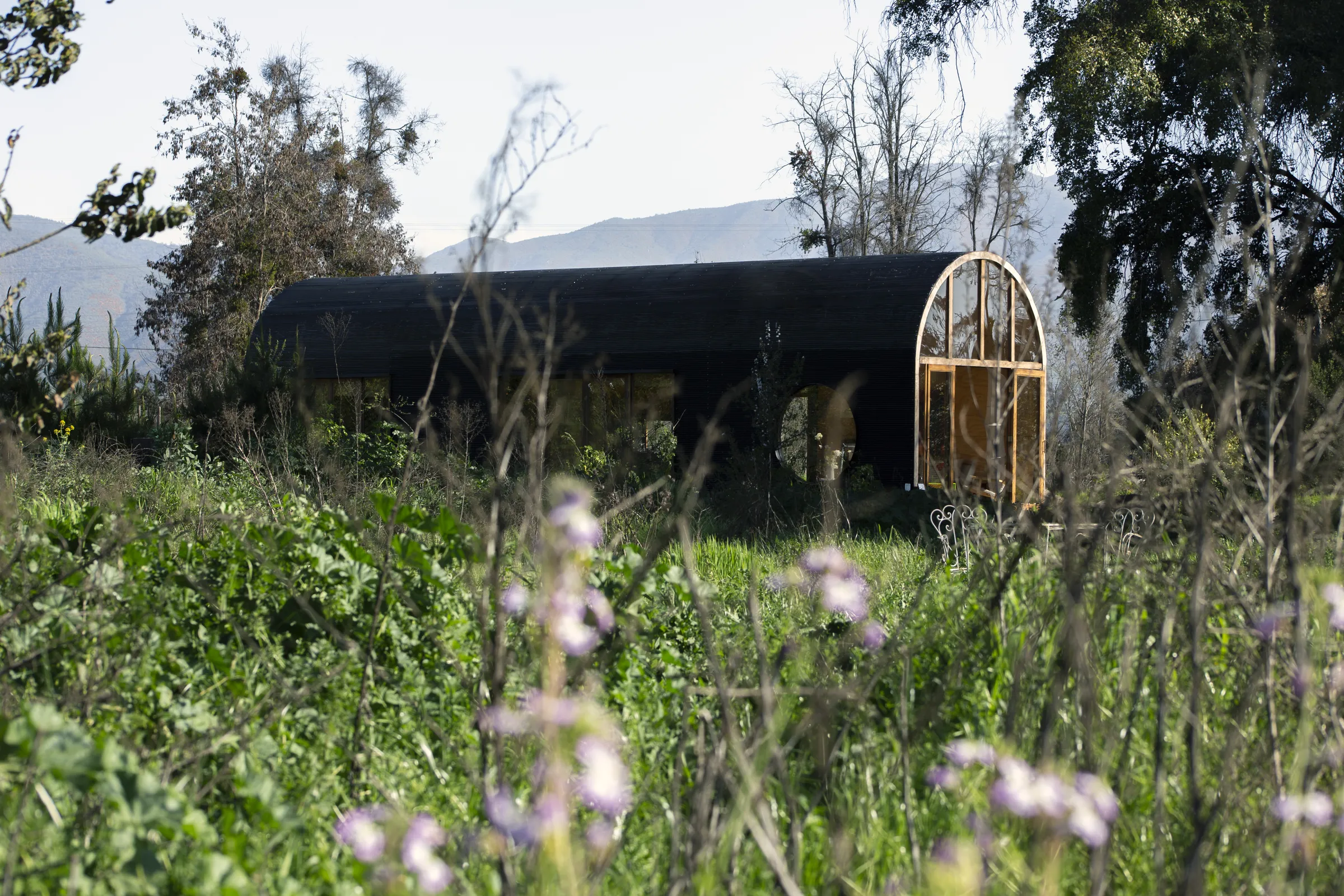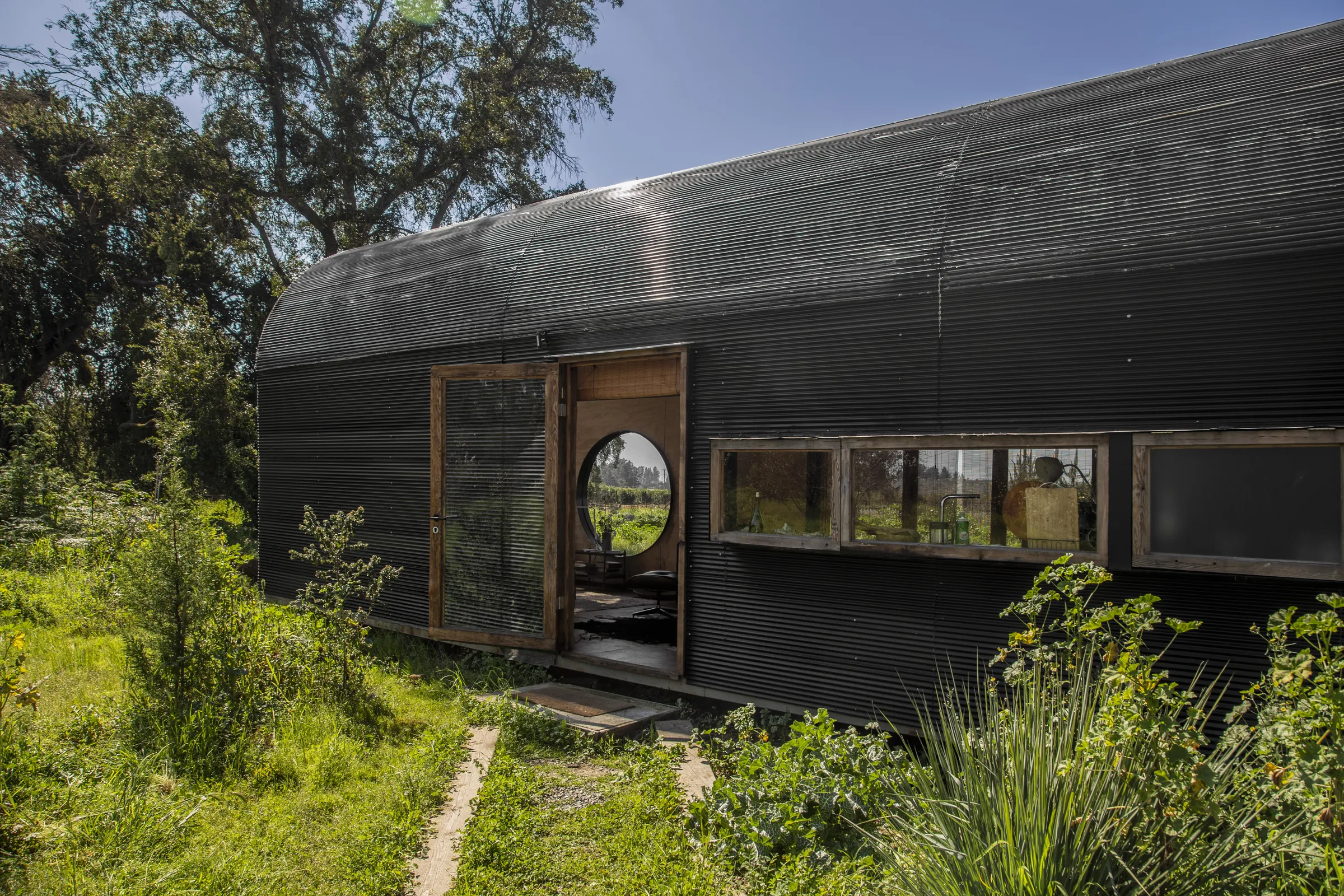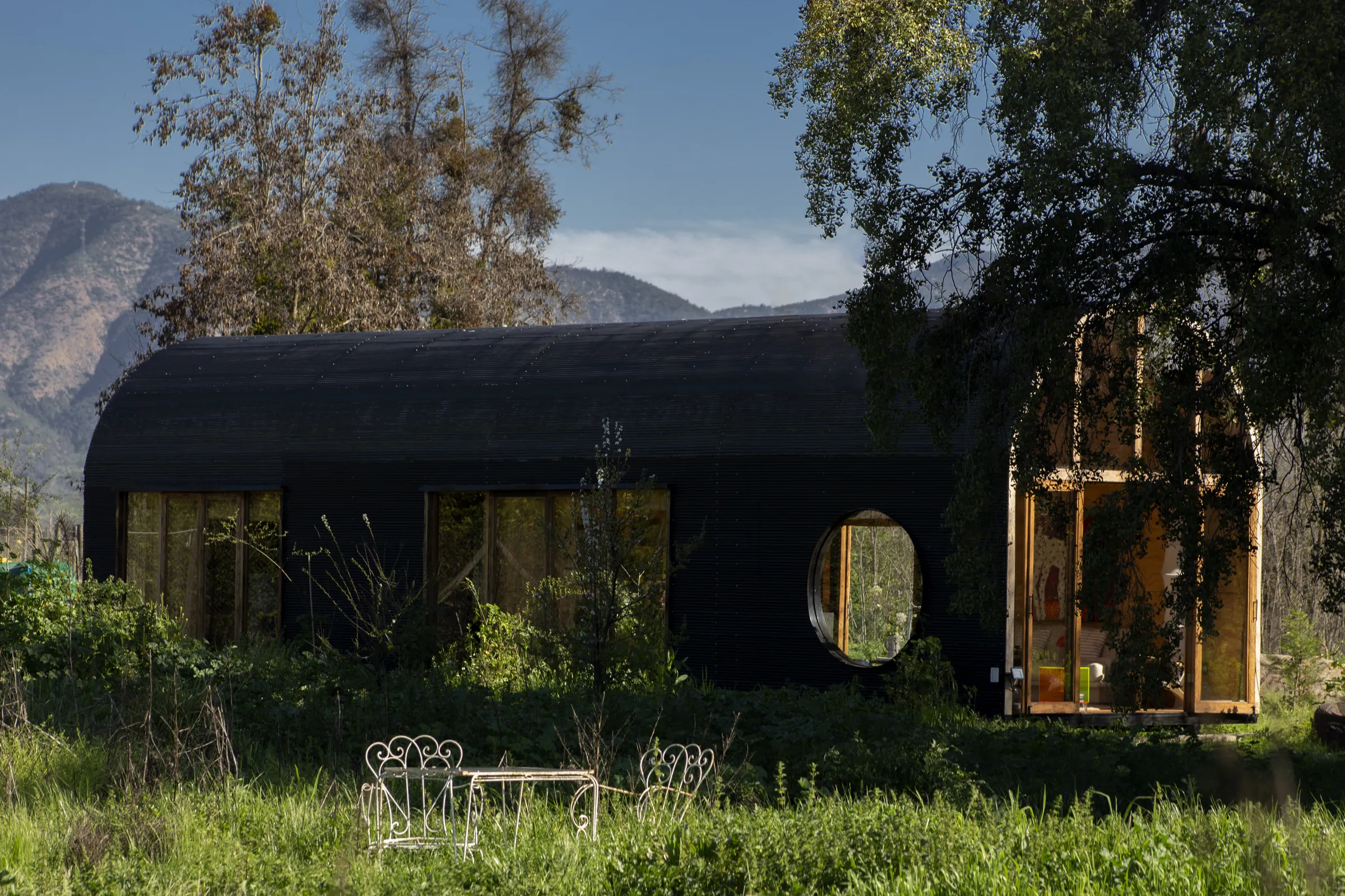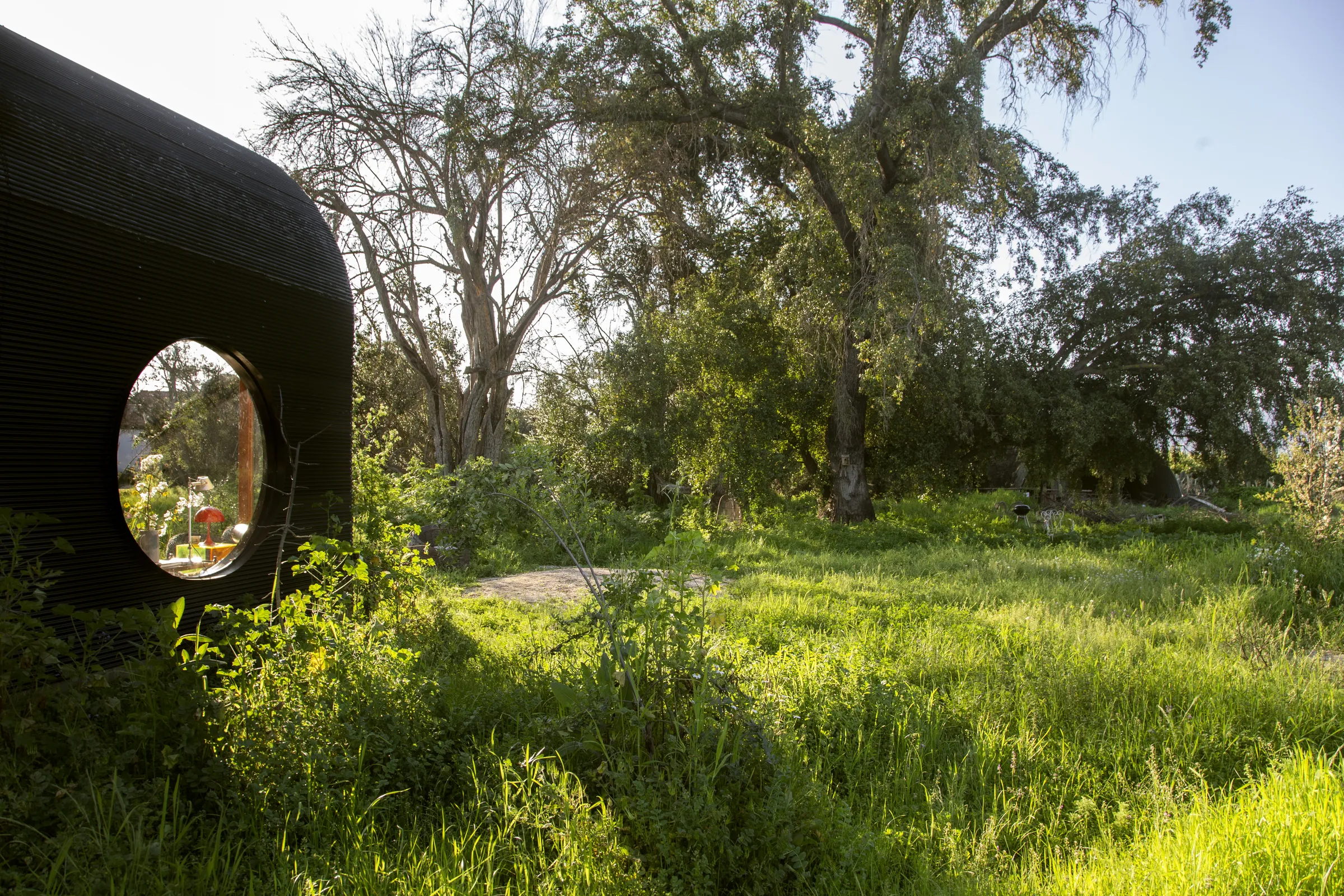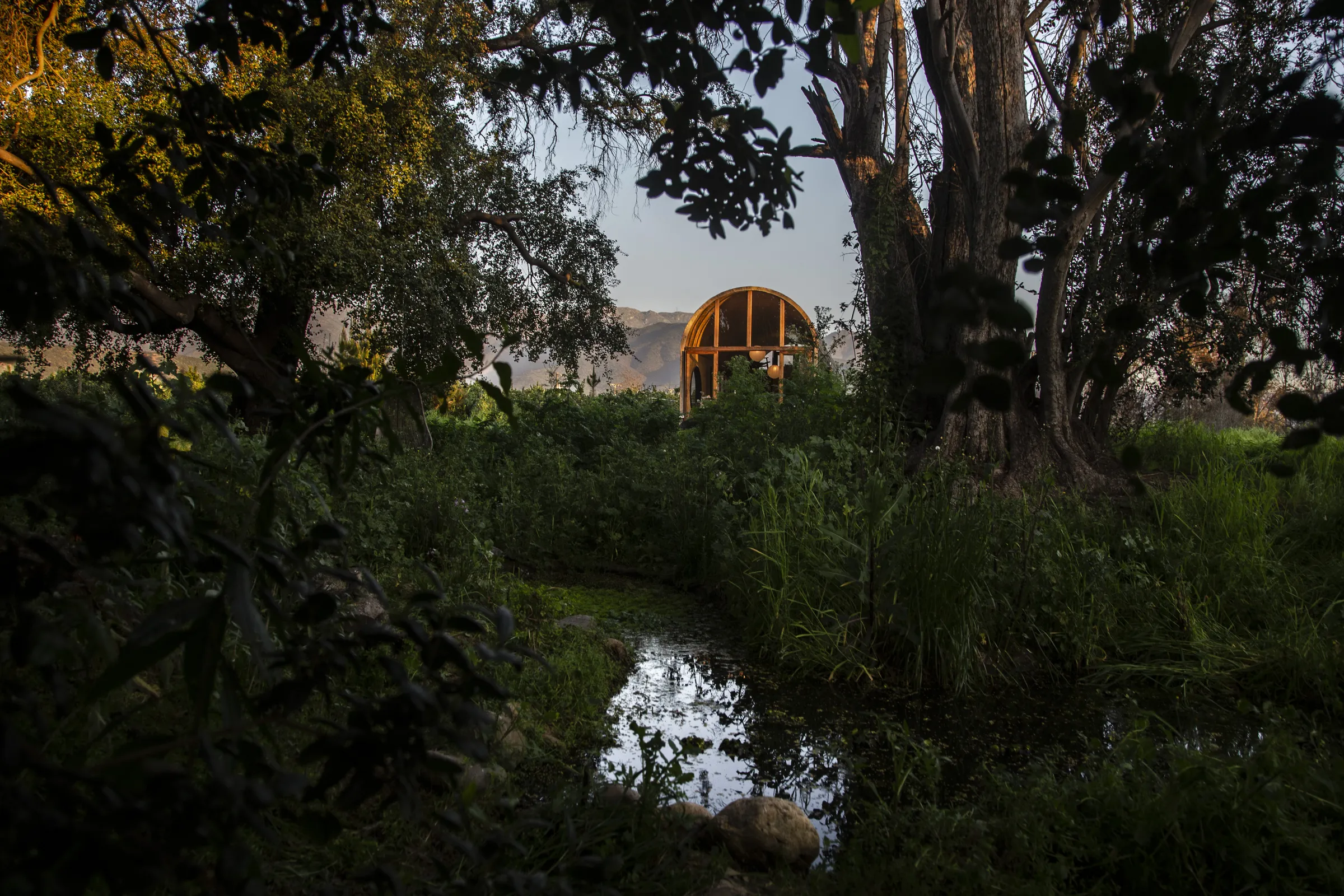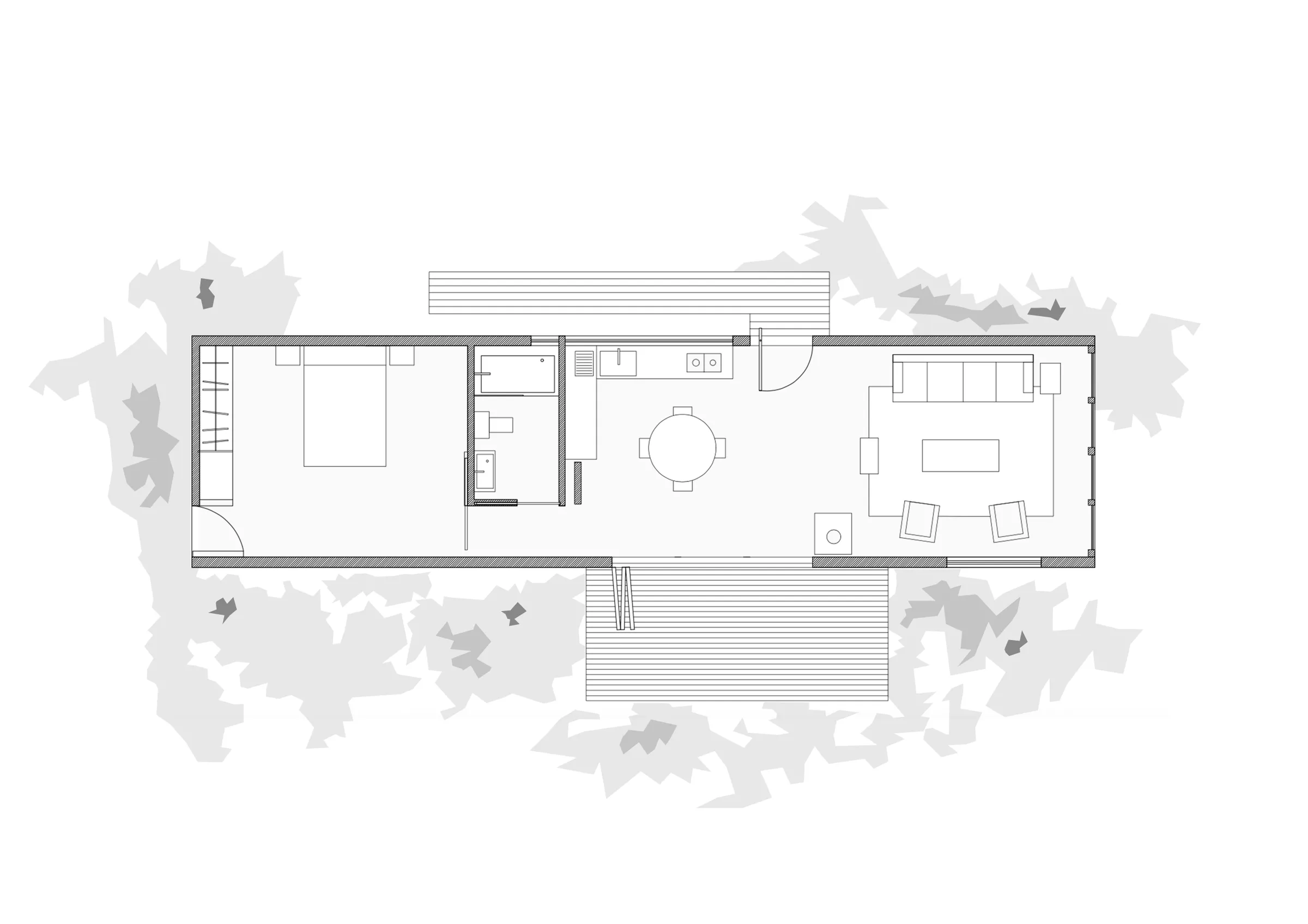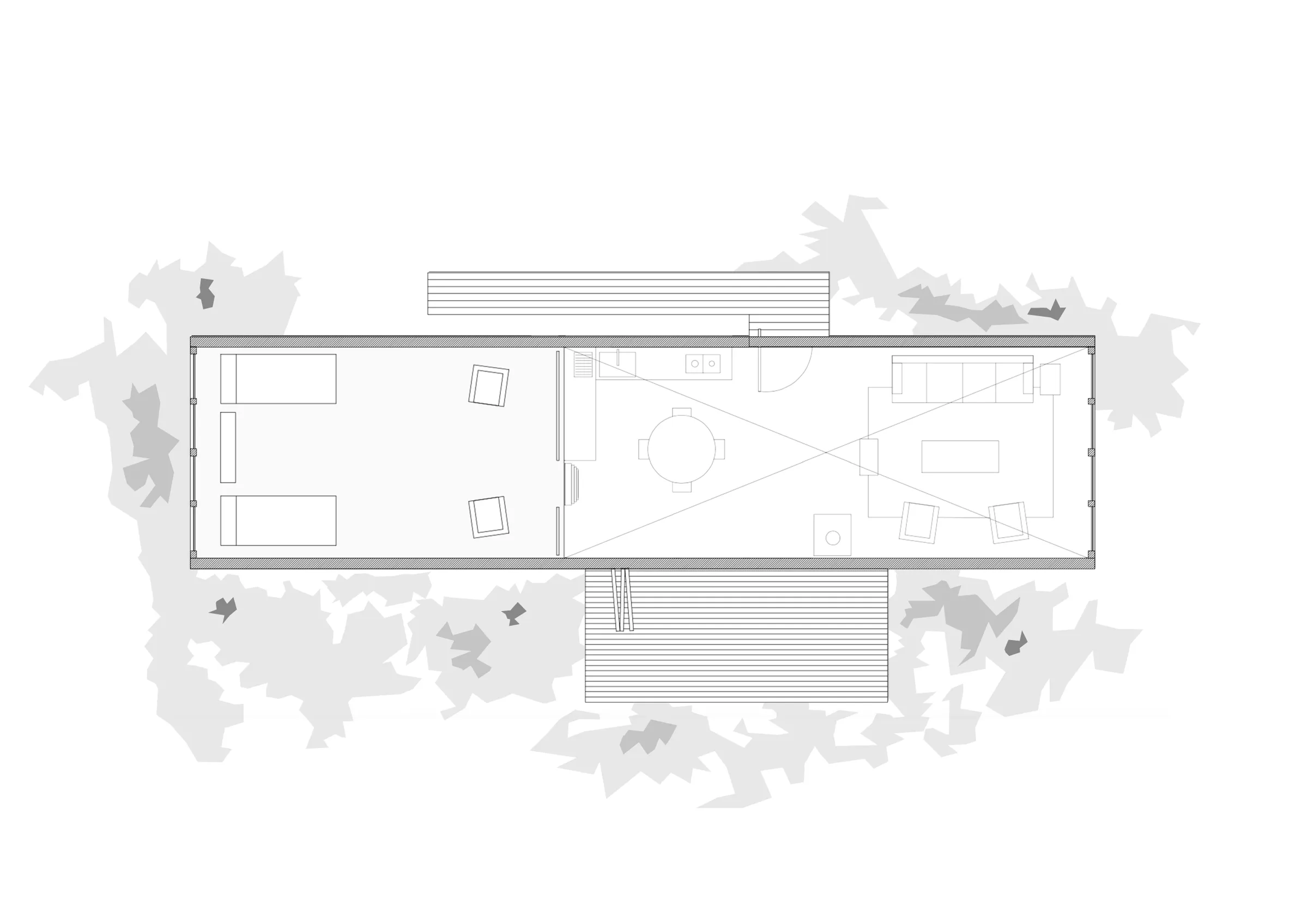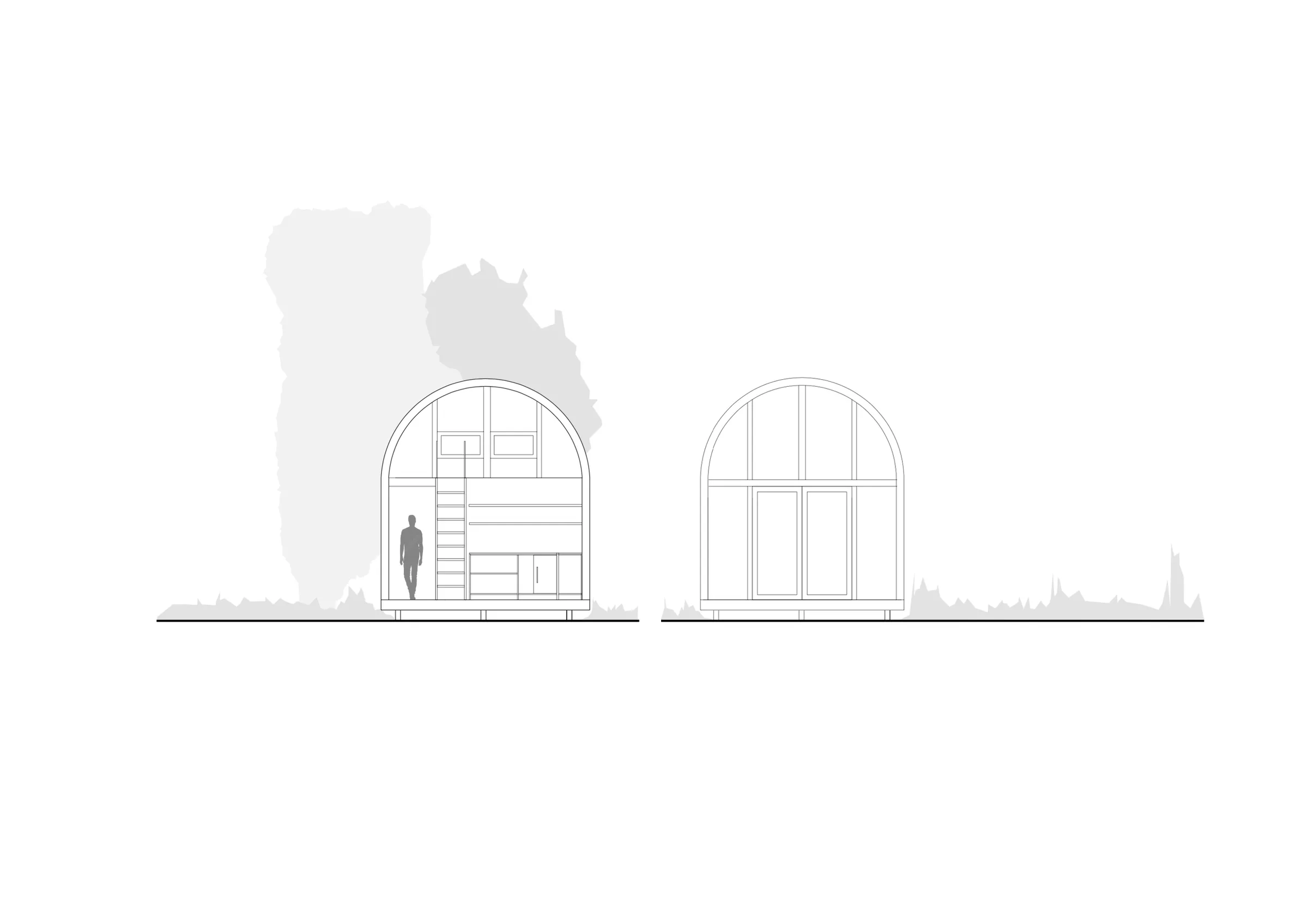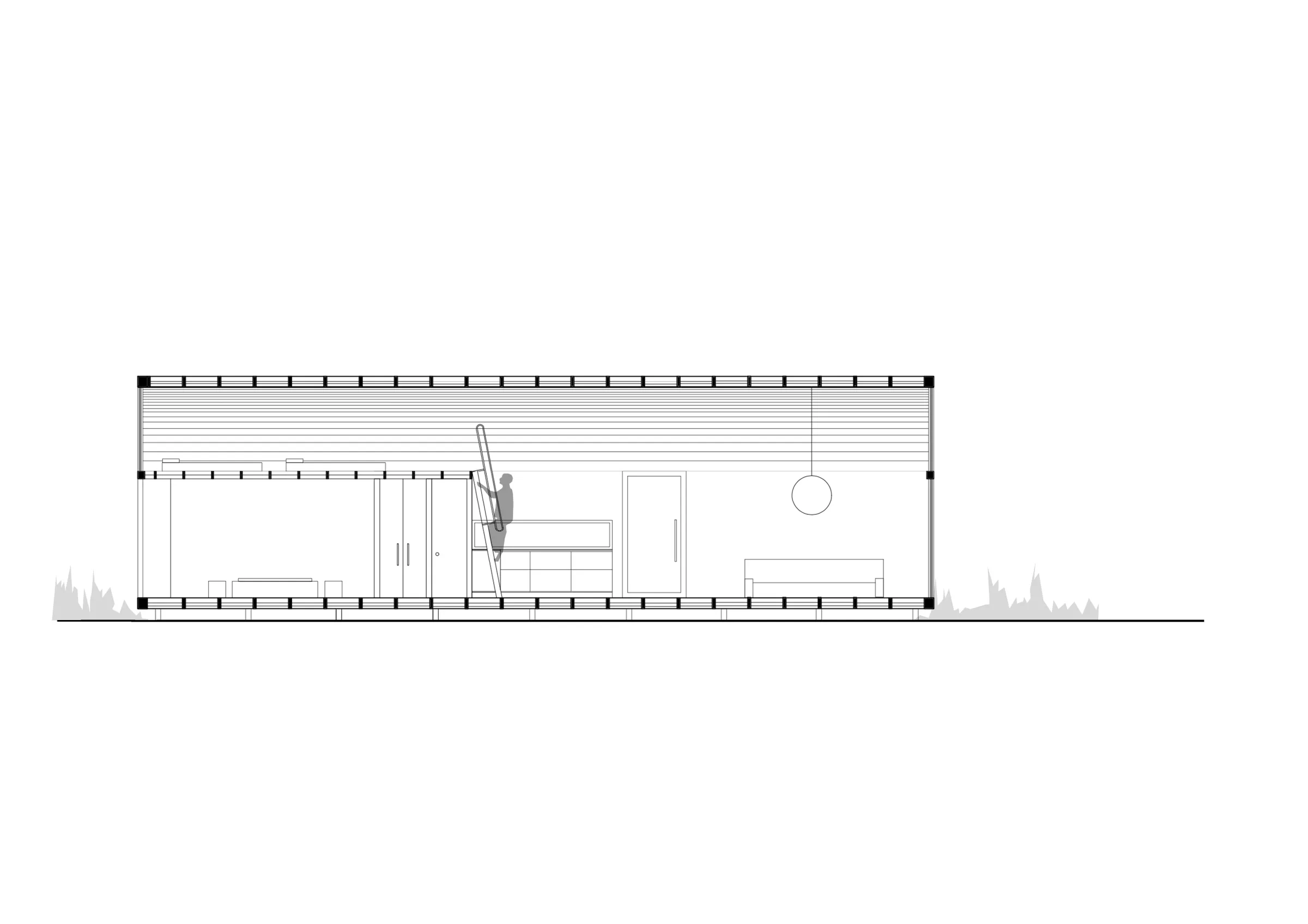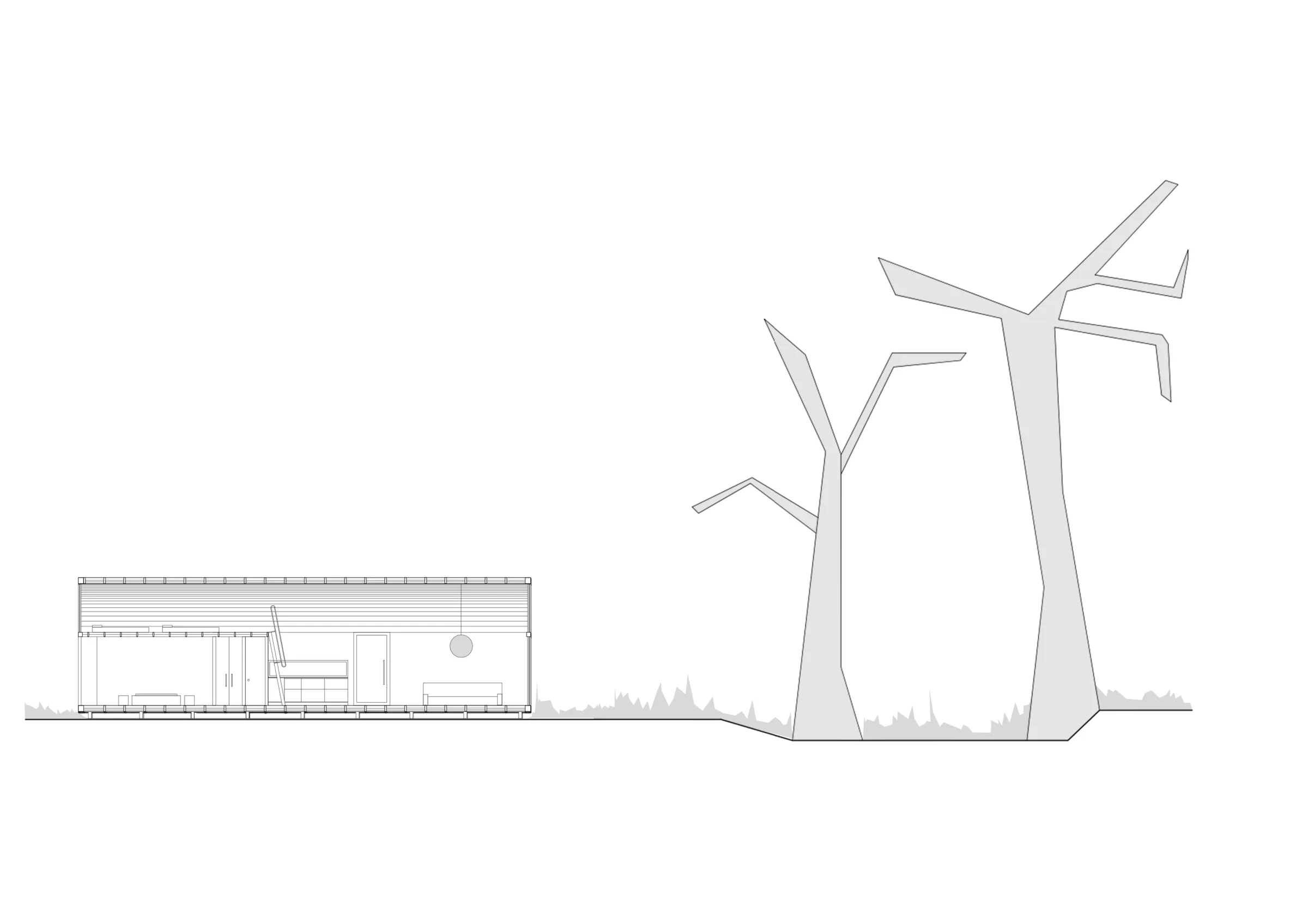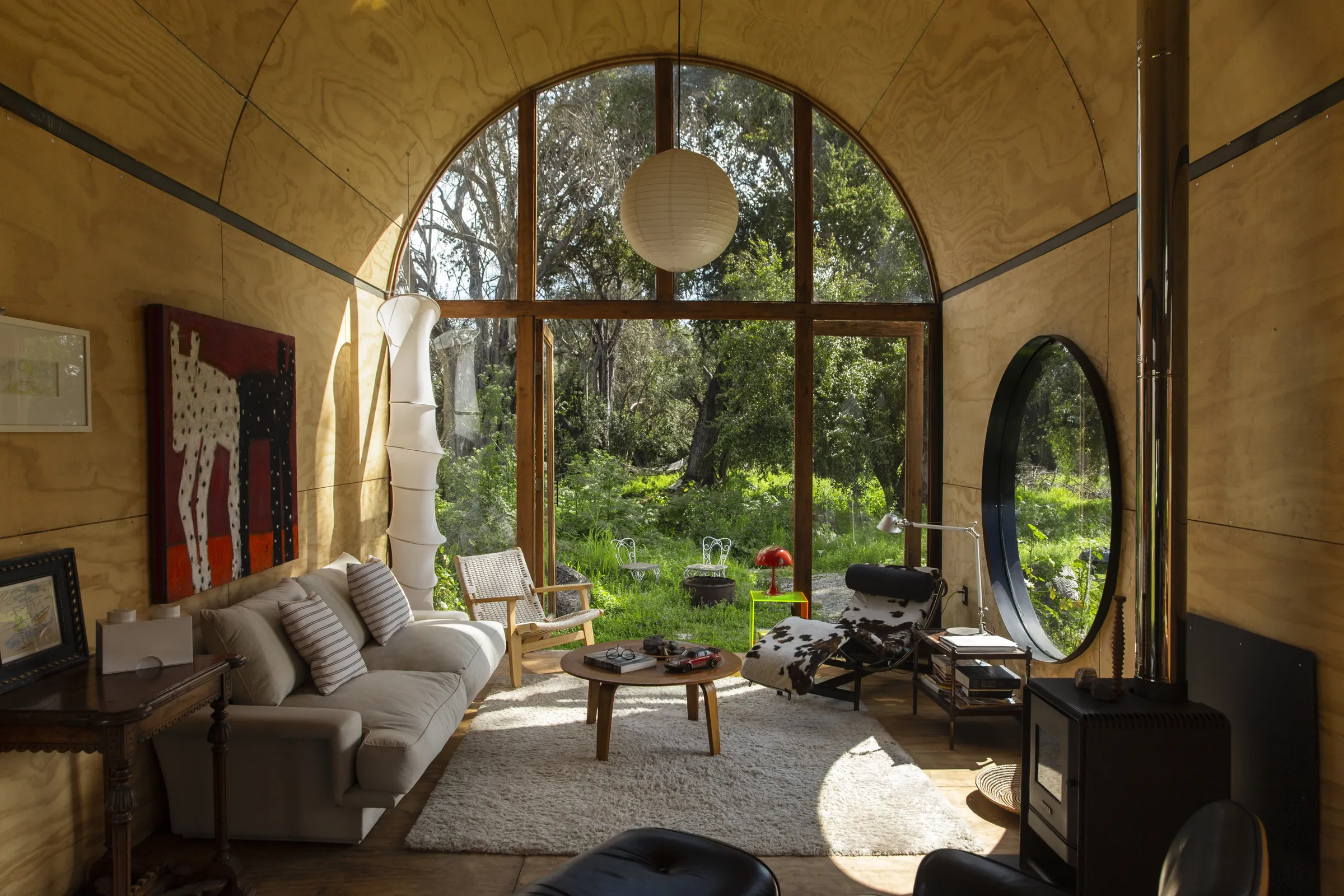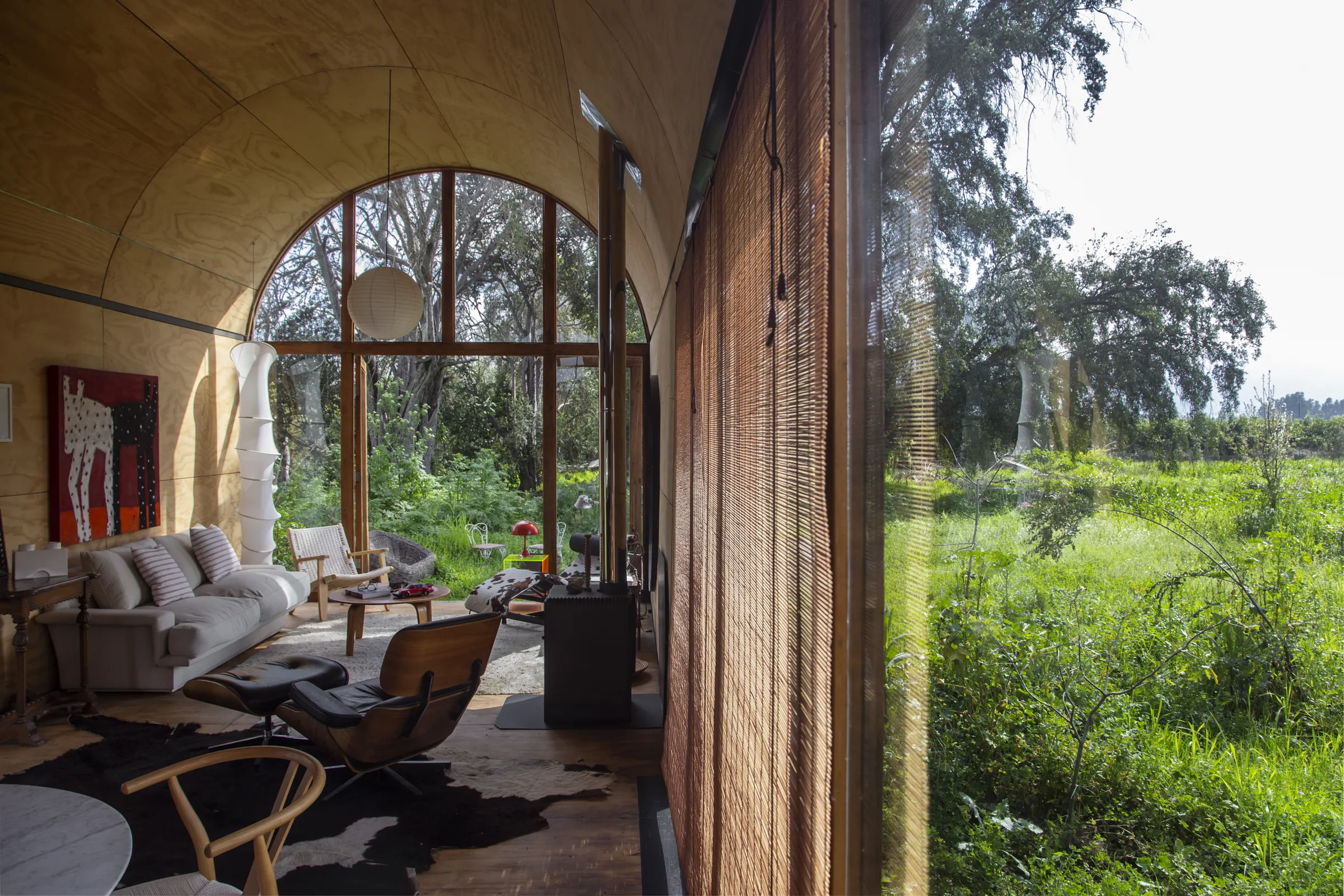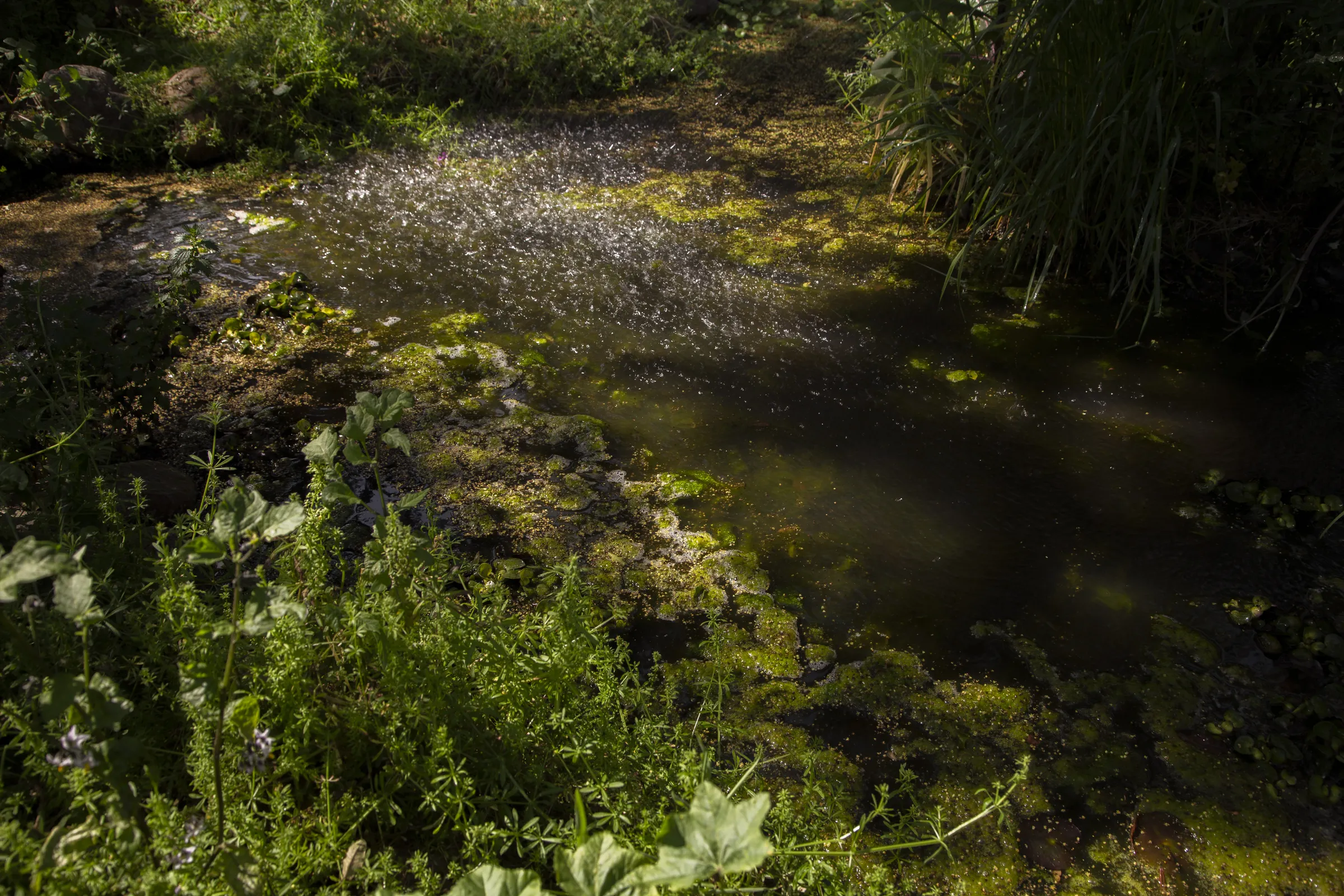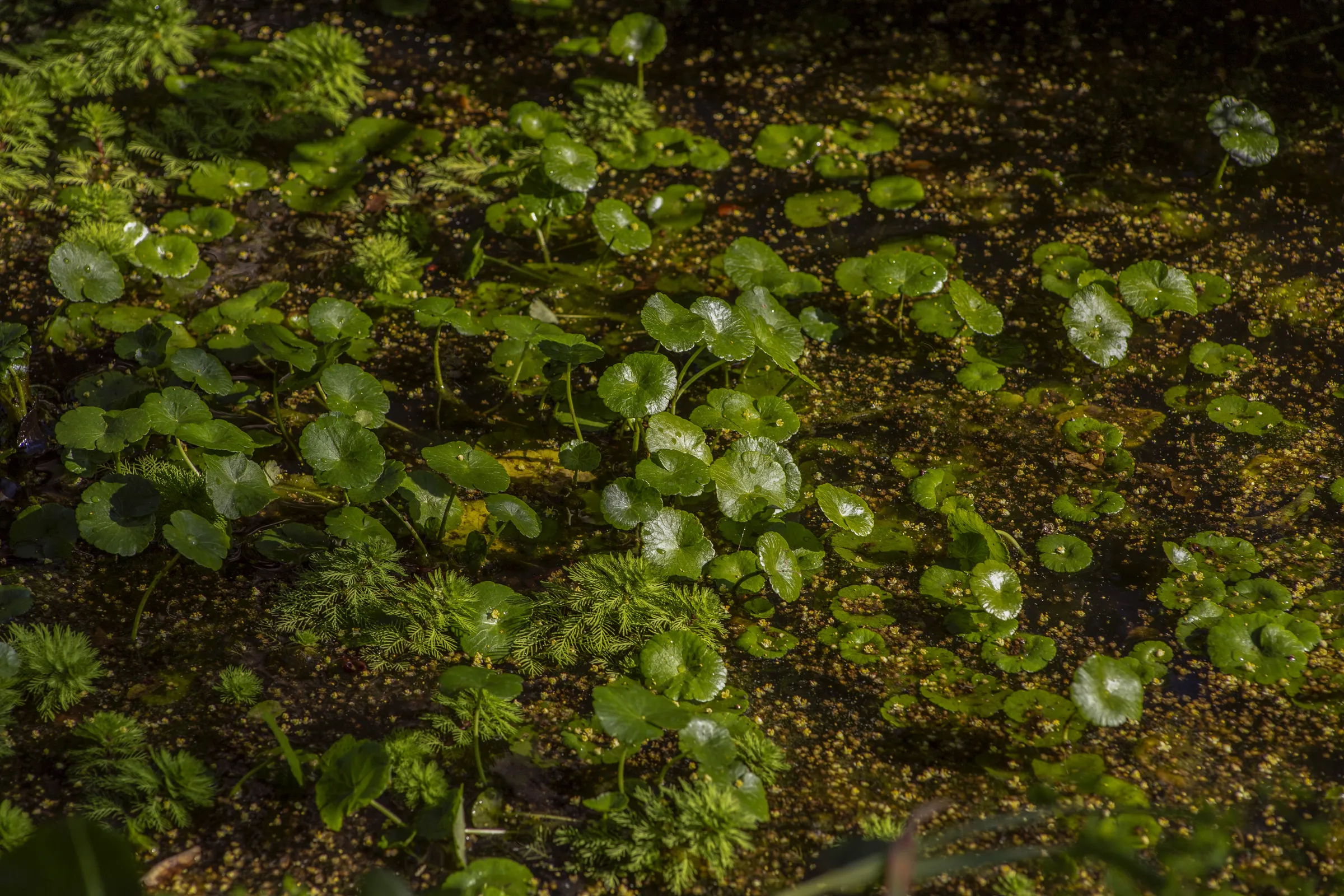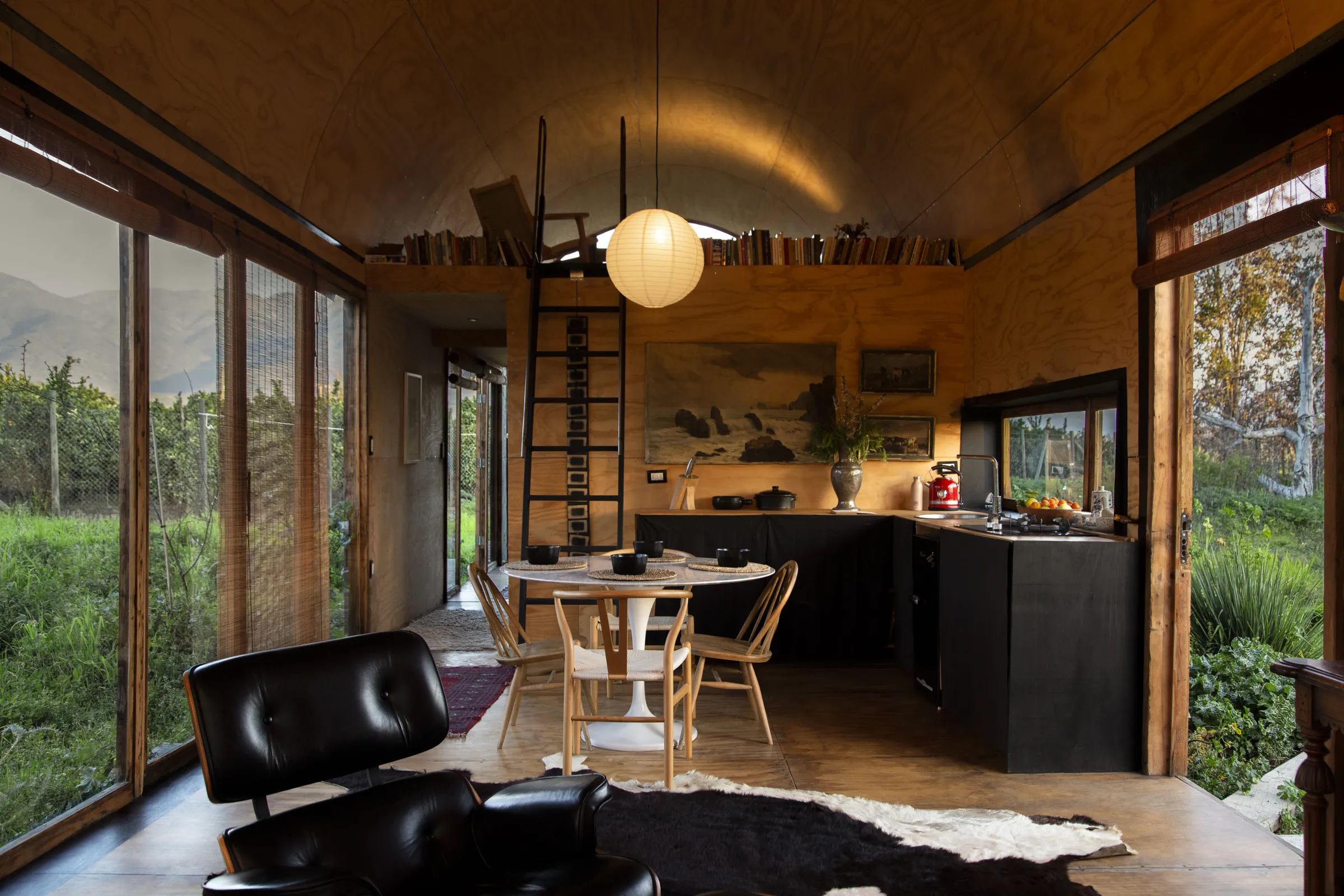
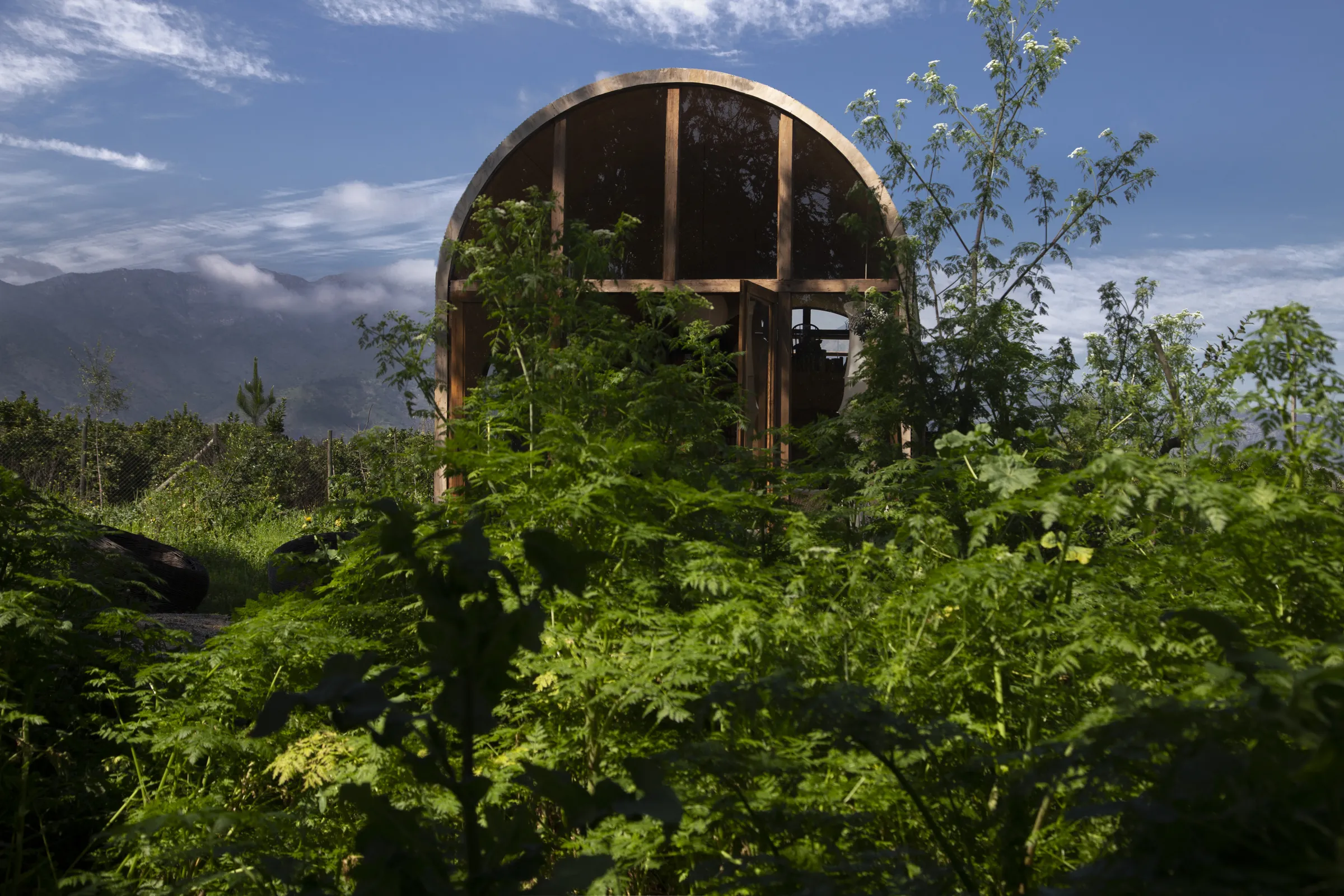
Catalejo (spyglass) is an architectural work that arises from its context. Upon first encountering the terrain, a point of interest was immediately evident: a kind of oasis consisting of four trees over 300 years old. The rest of the land presented itself as a very fertile pasture, highly sensitive to the seasons. In summer, it is a rather desert-like landscape; however, in winter and spring, meters of what is misleadingly called weeds sprout from the ground, flanking the house and making it float in an environment that, at ground level, is flat but where the vegetation provides an irregular and unexpected relief that mutates.
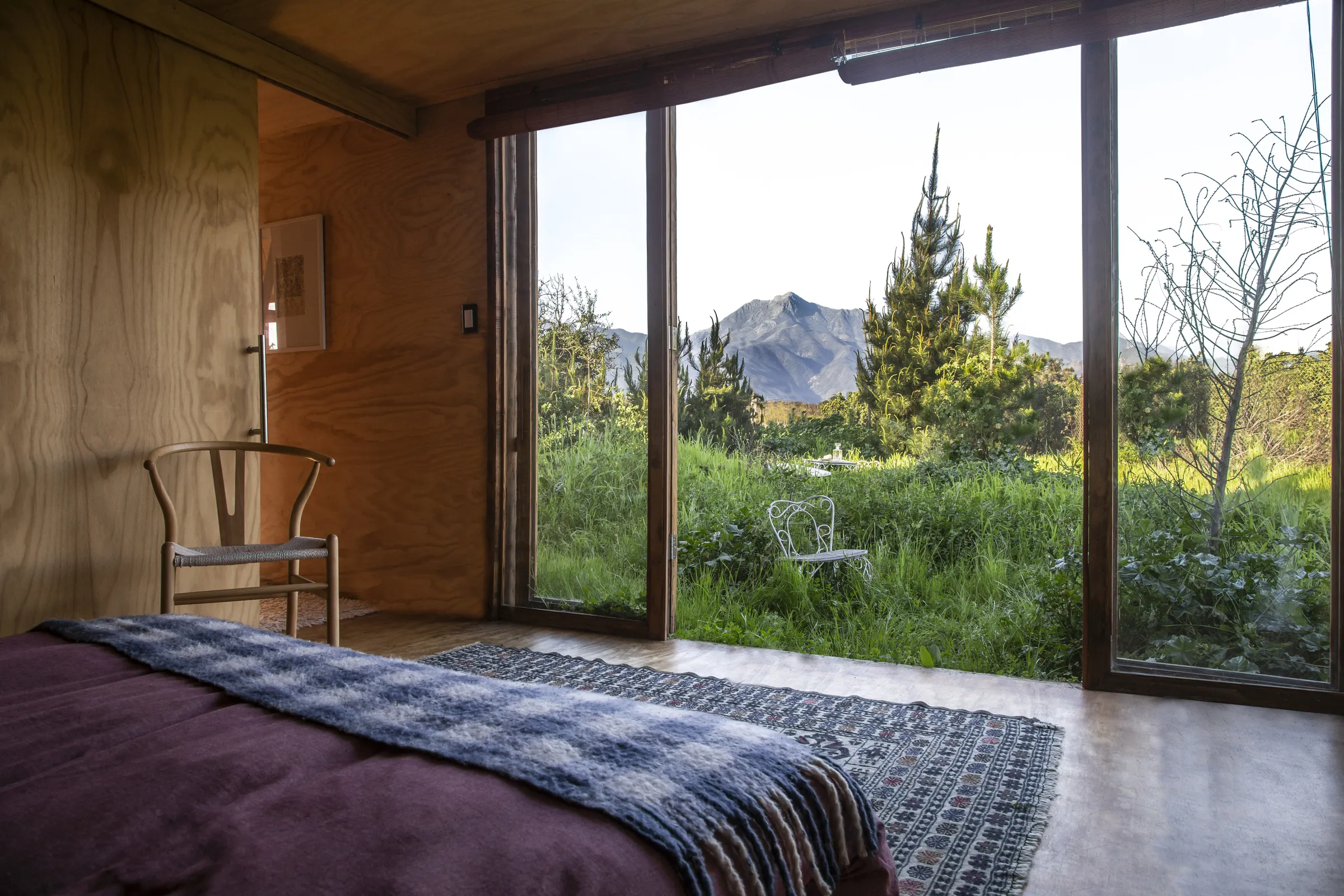
Having experienced this, it seemed that the house should, first and foremost, be elevated above the ground in such a way that the grass could grow beneath it, creating a green mantle that enhances the feeling of floating in this sort of vegetative lagoon.
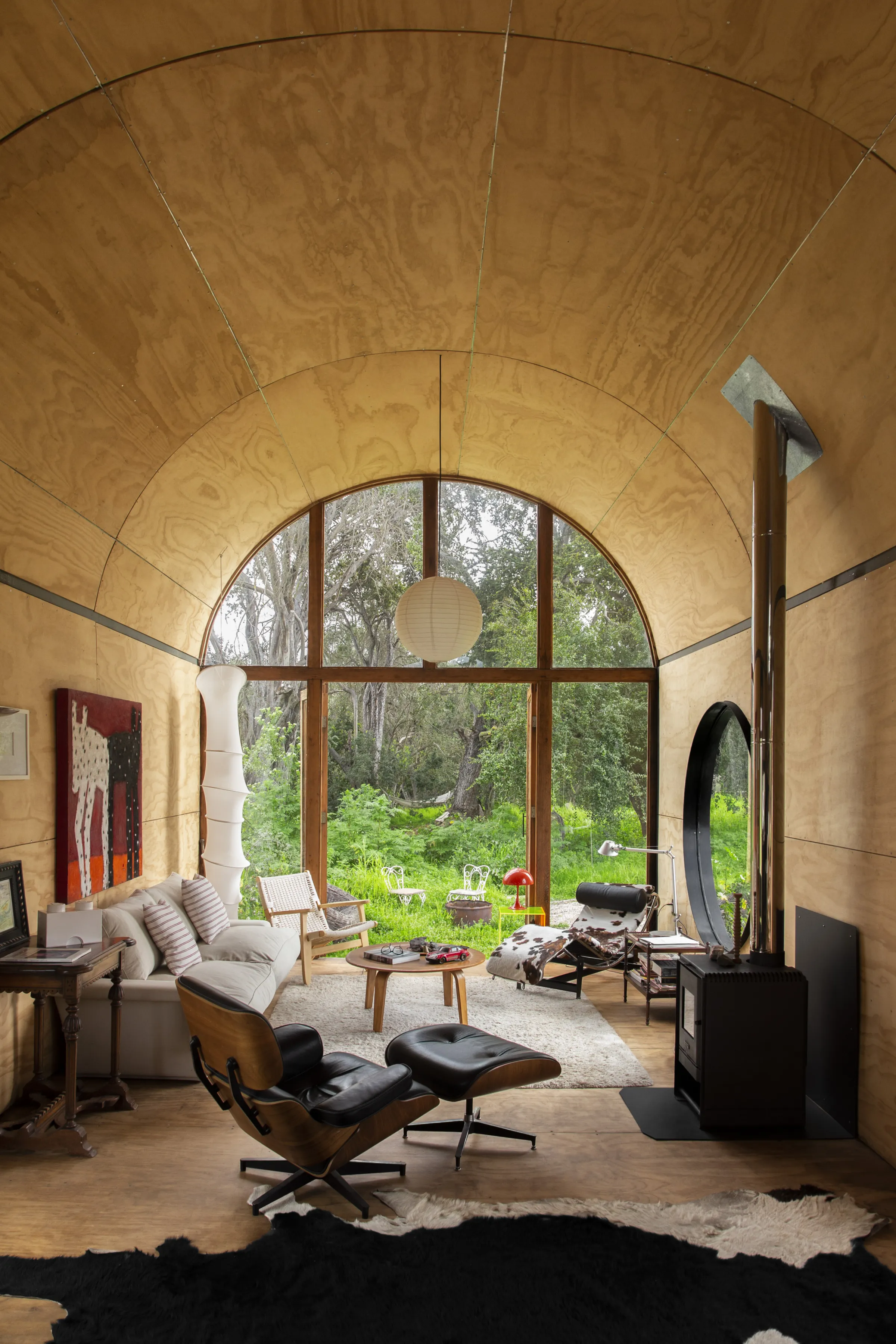
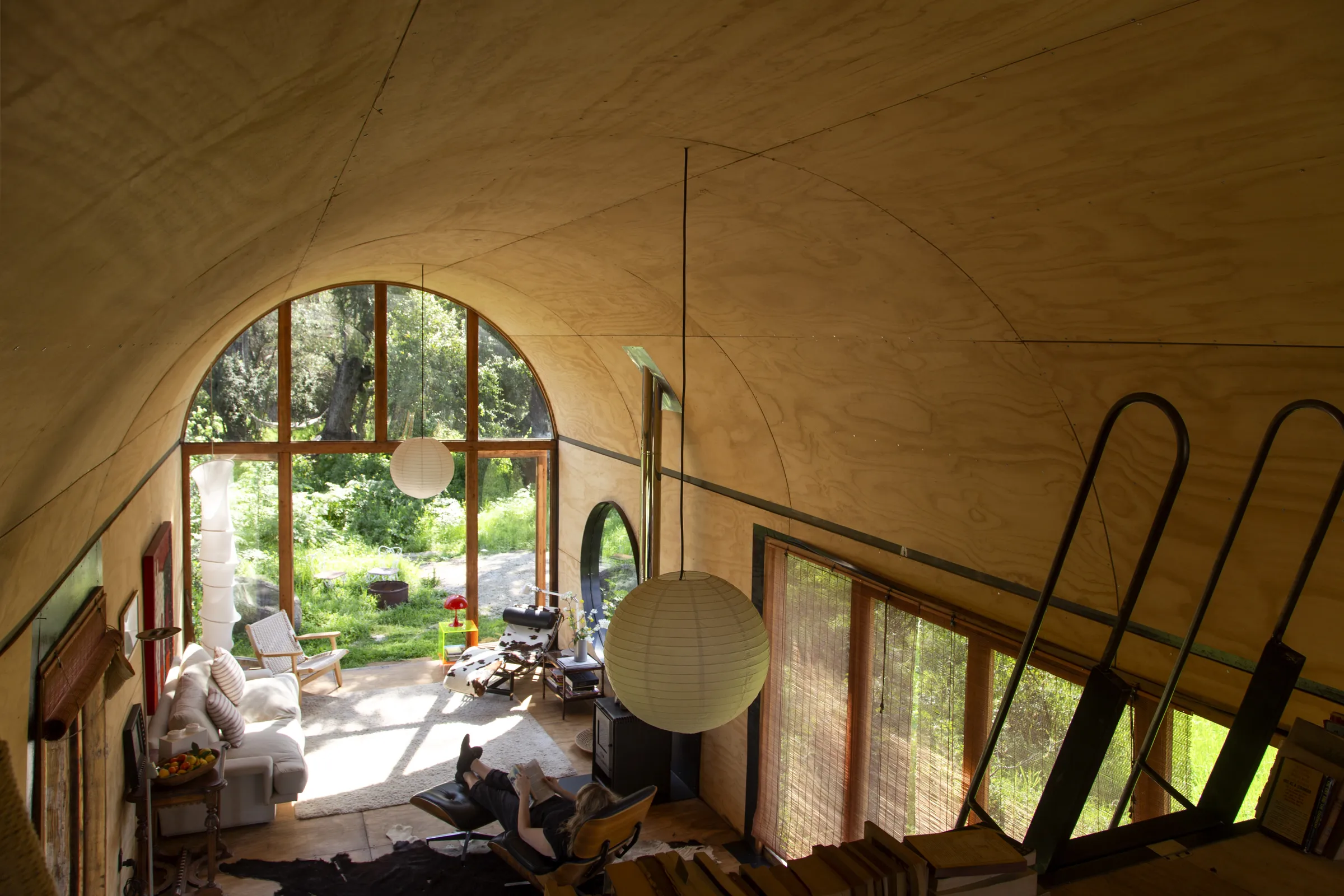
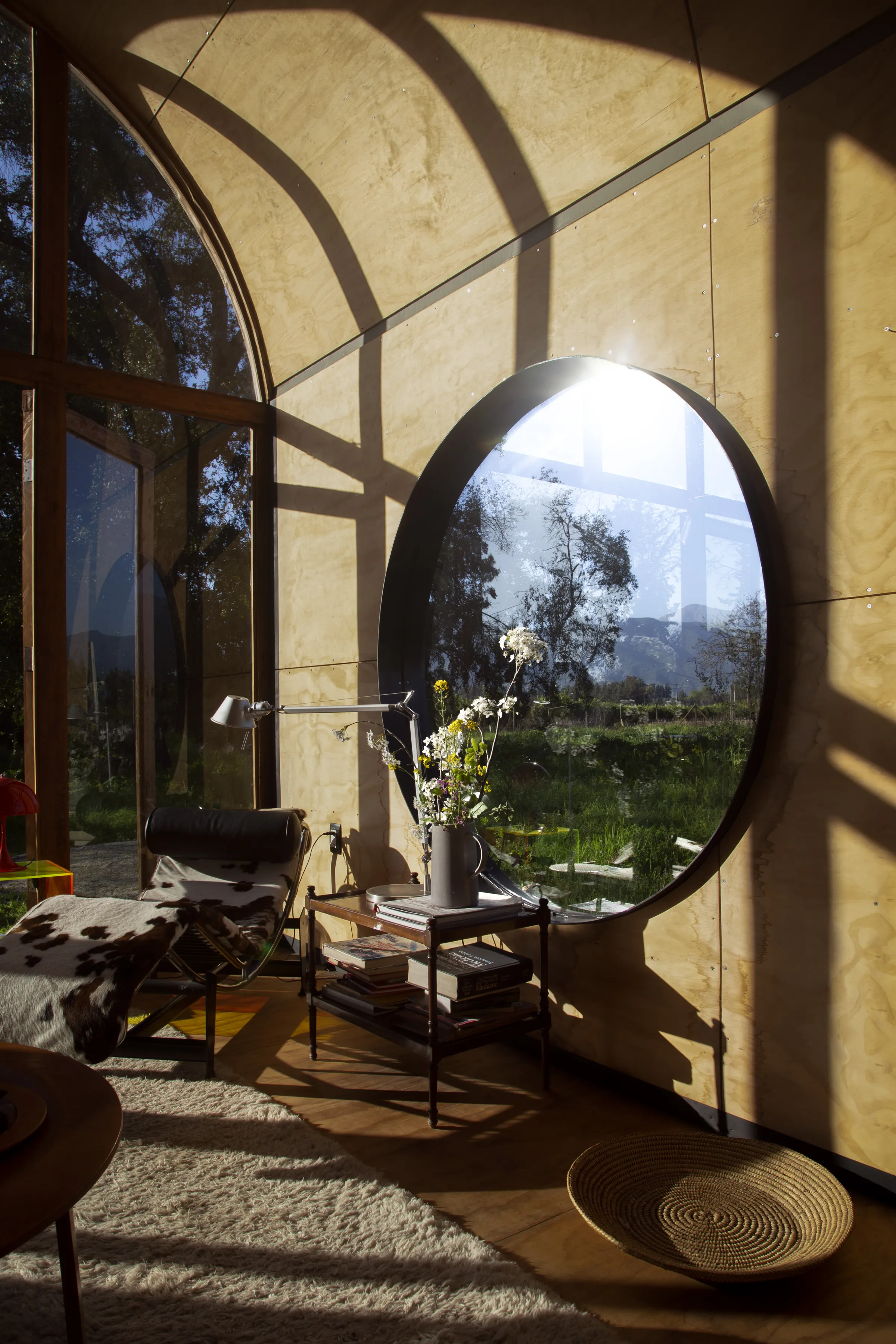
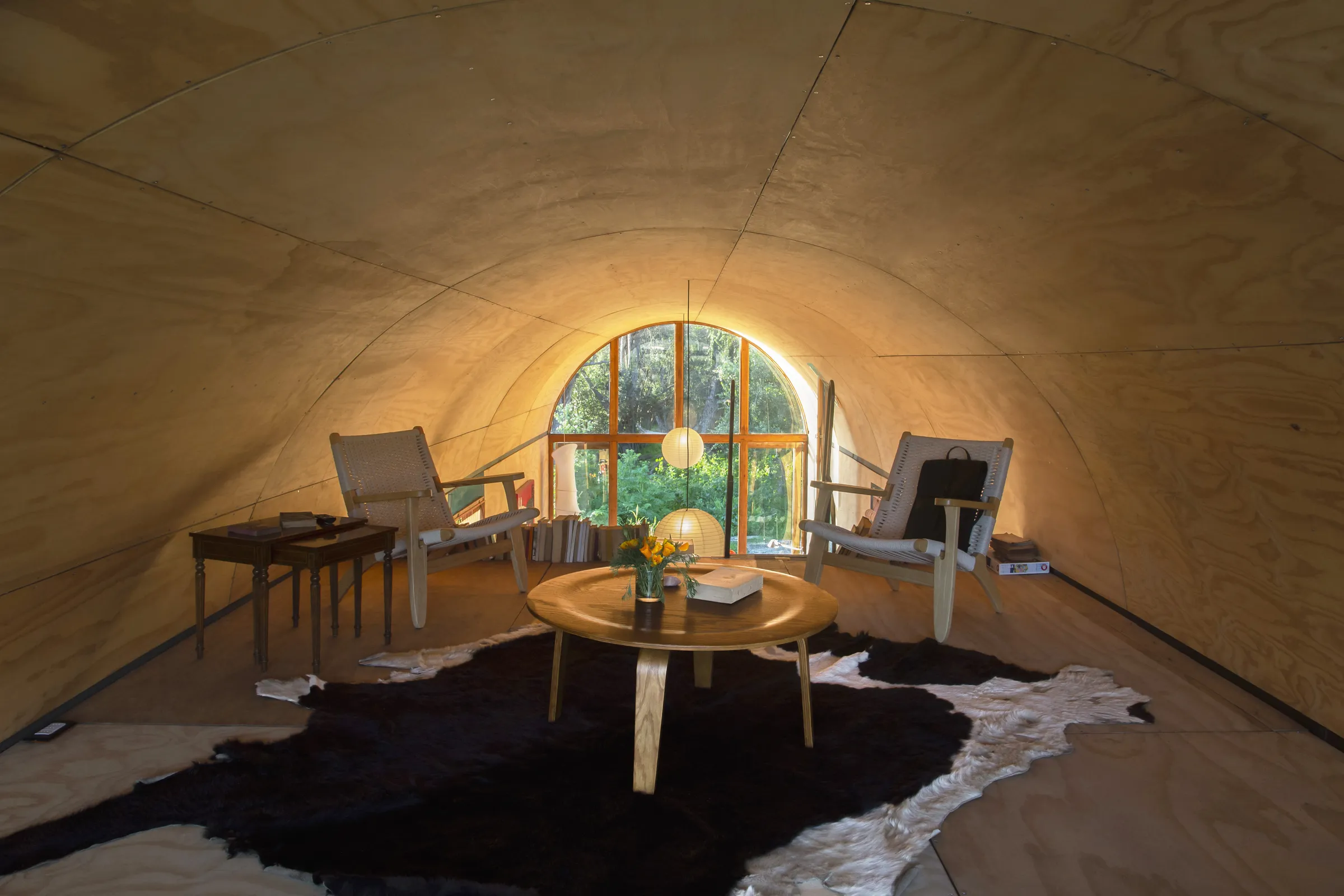
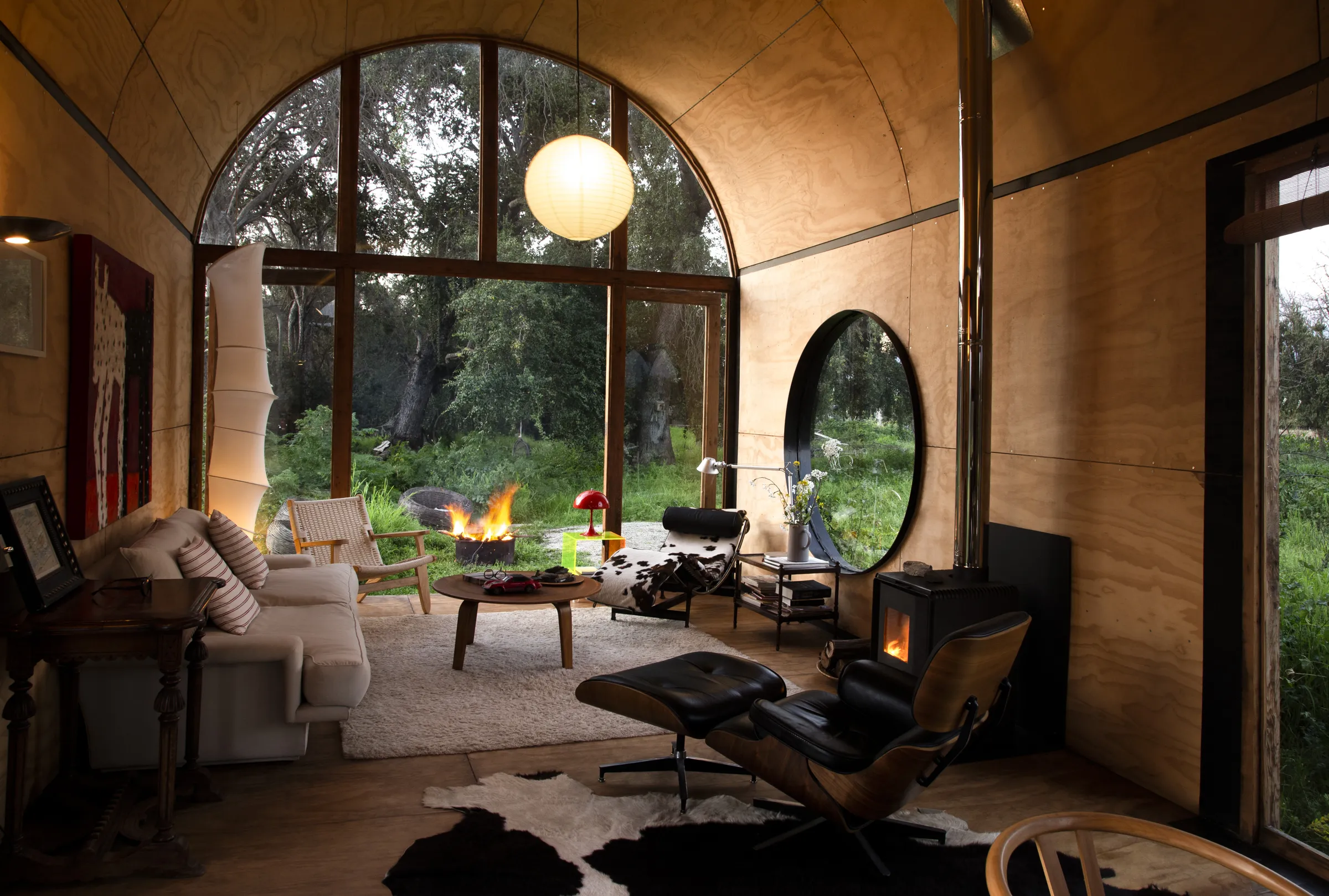
It was also important to return to the first point of interest, which were the ancient quillay and molle trees, which, unlike the rest of the vegetation, constituted a monumental but motionless landscape of noble and perpetual character. This led to the decision to position the house facing these great living statues while maintaining a proper distance that, along with the double height and the vaulted ceiling, managed to capture 100% of the forest and bring it into the interior spaces.
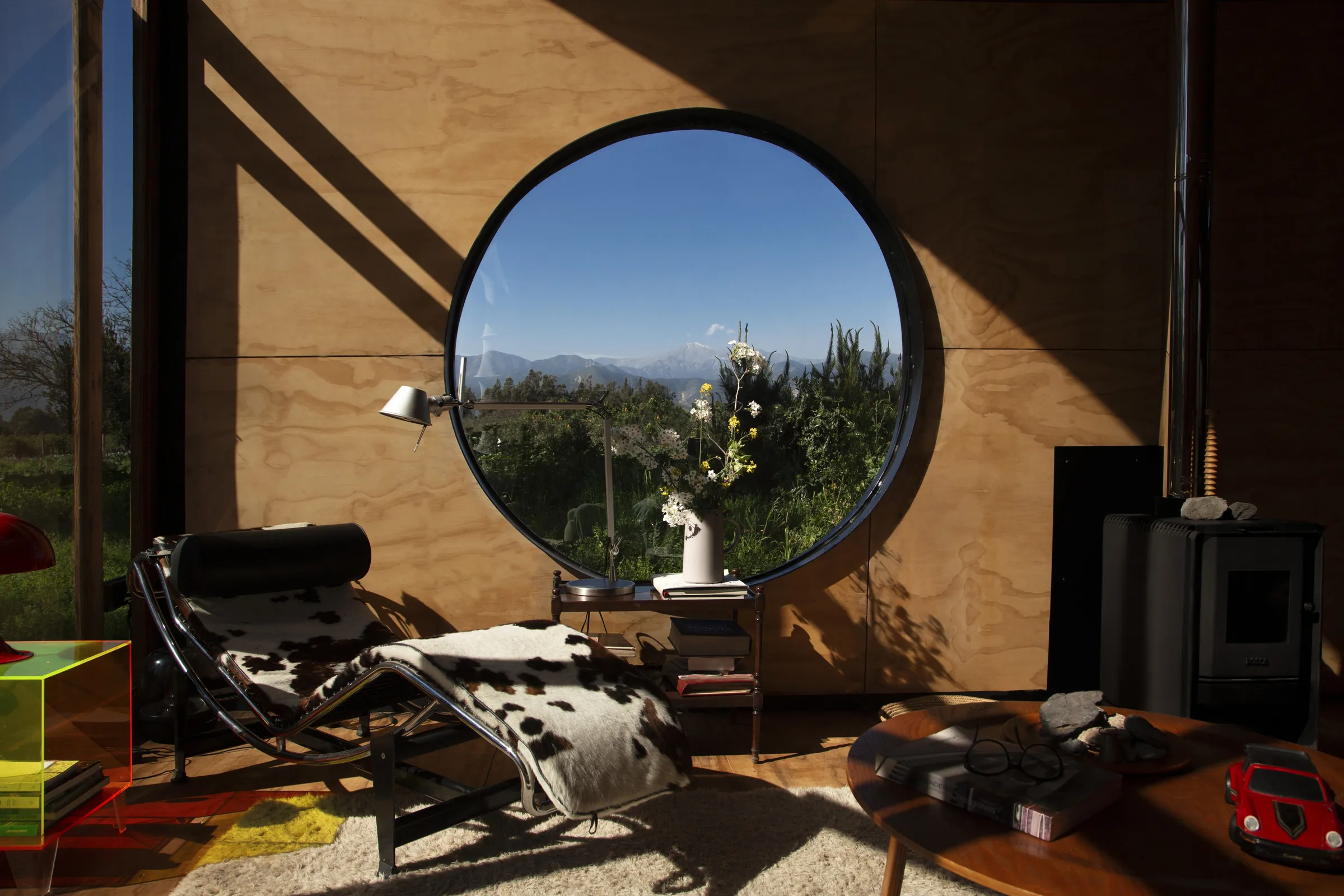
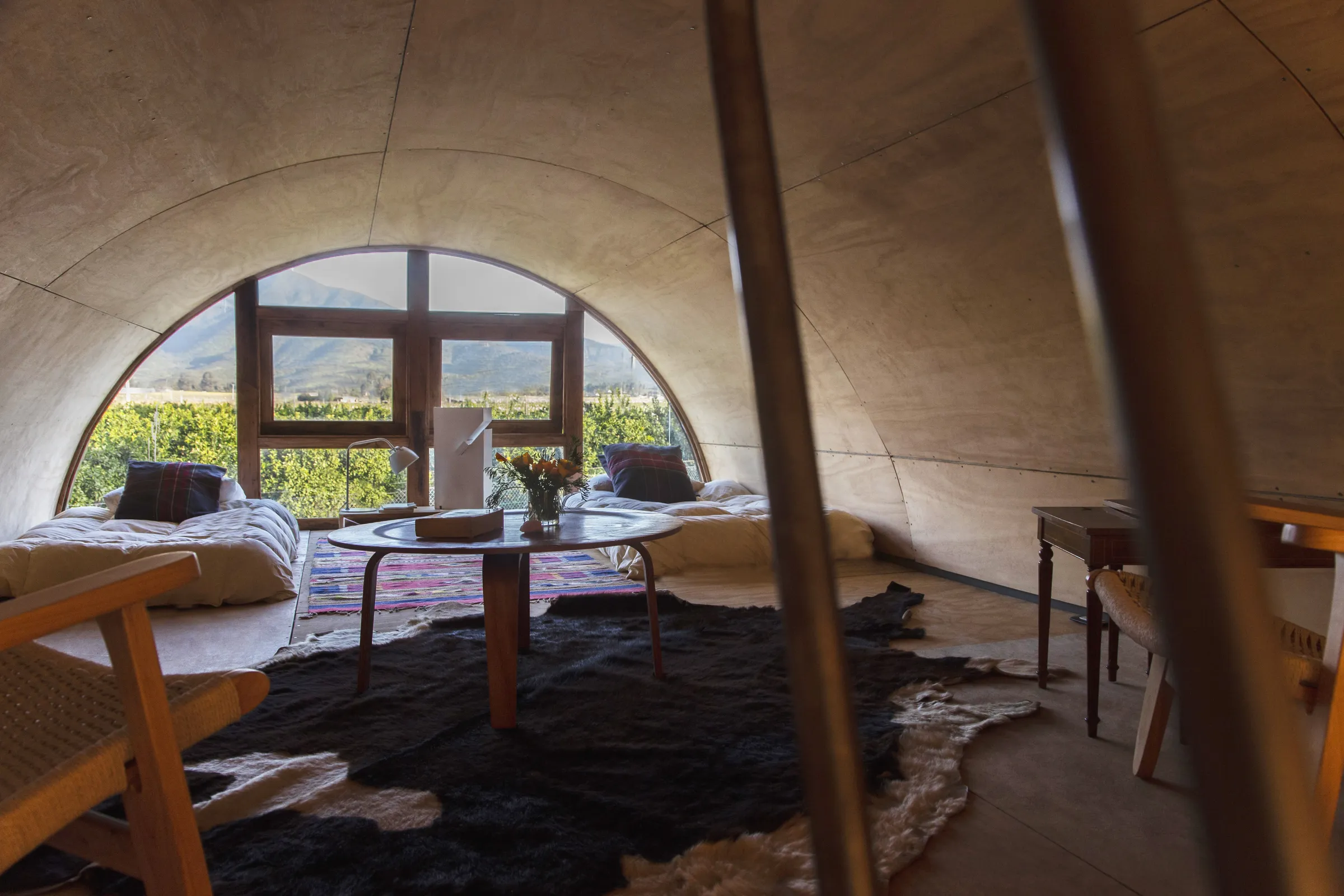
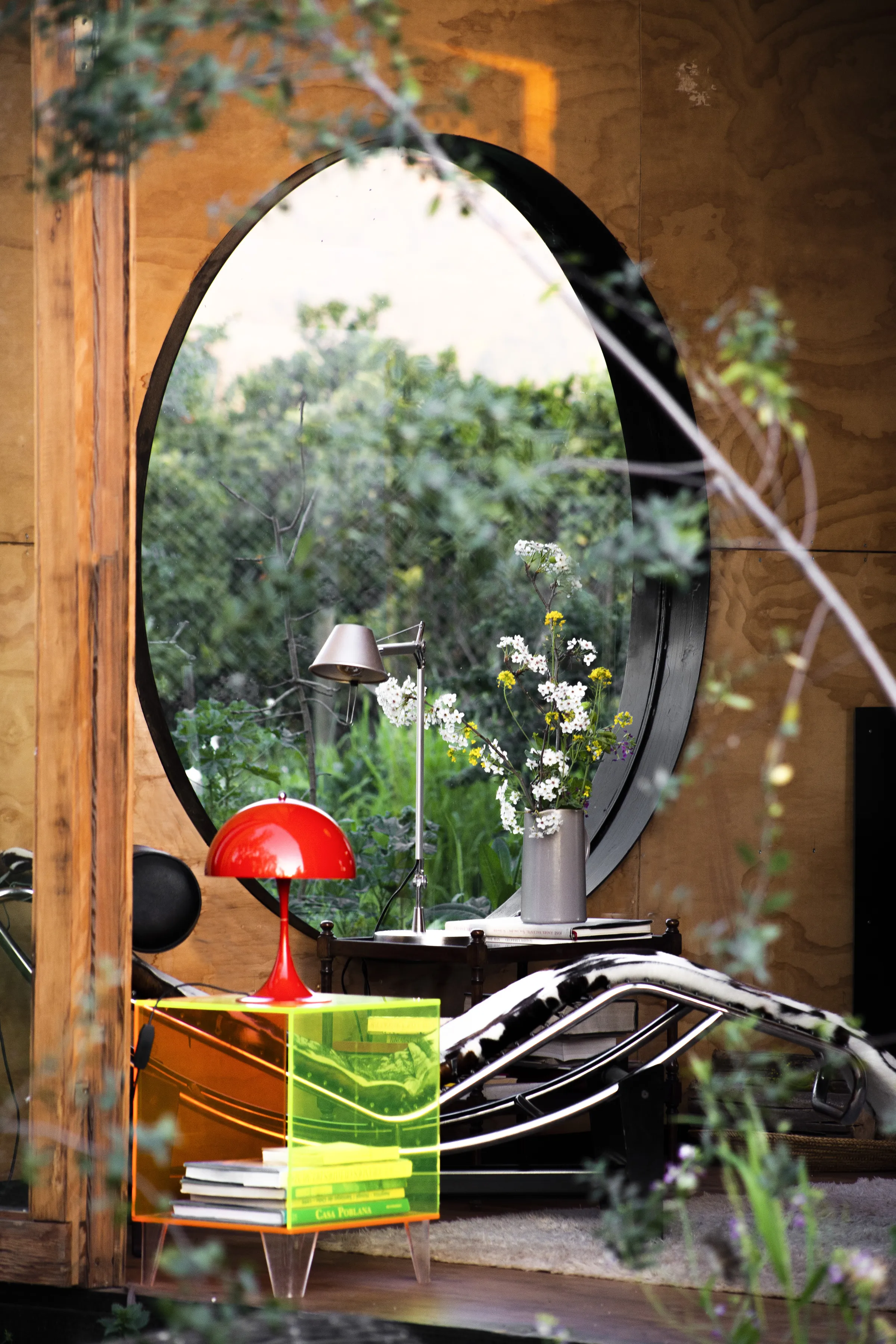
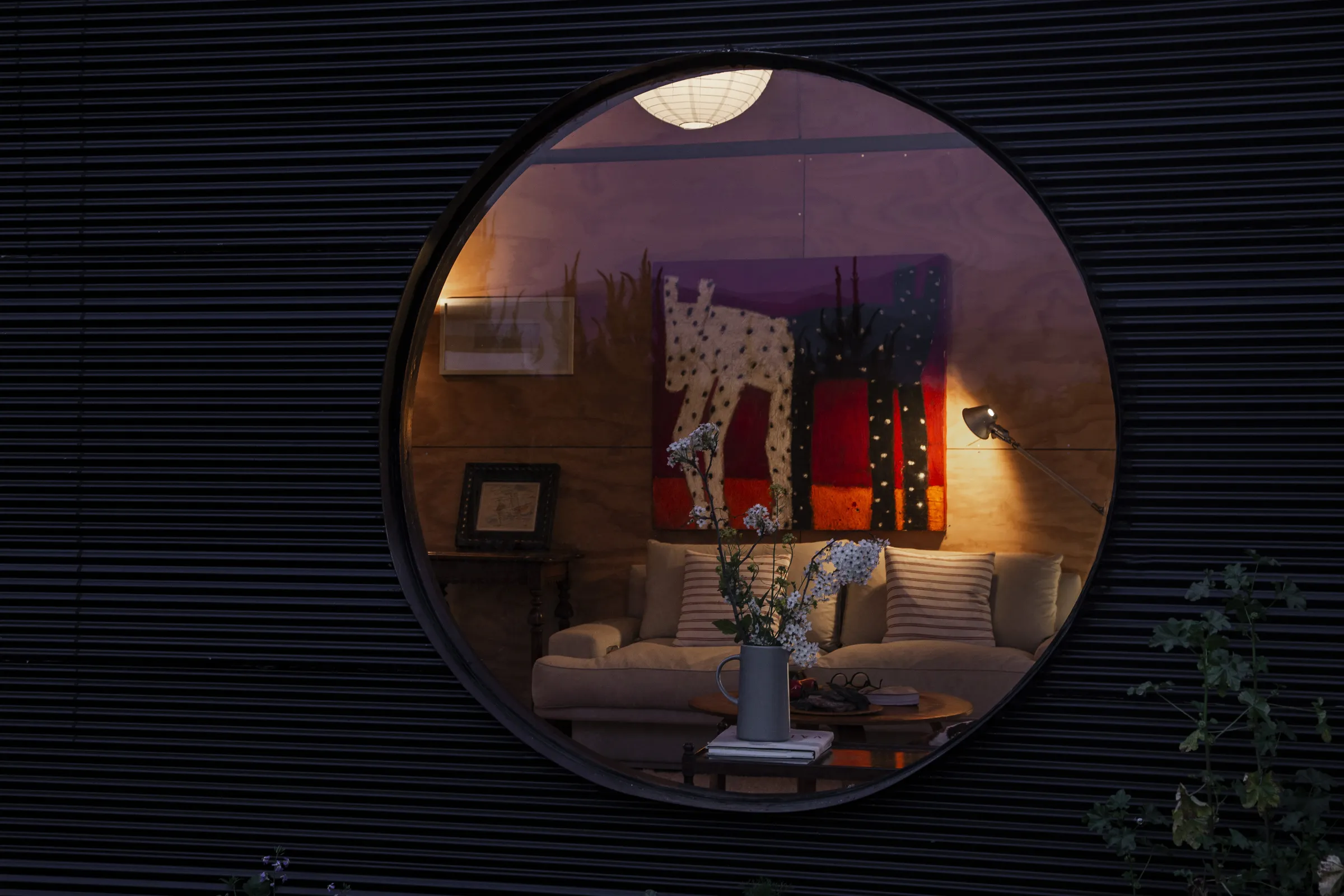
The circular shape of the house ultimately allows the landscape to become an extension of the interior spaces, generating a sense of continuity. This architectural decision suggests that the natural environment is not merely a backdrop but an active element that redefines the perception of space.
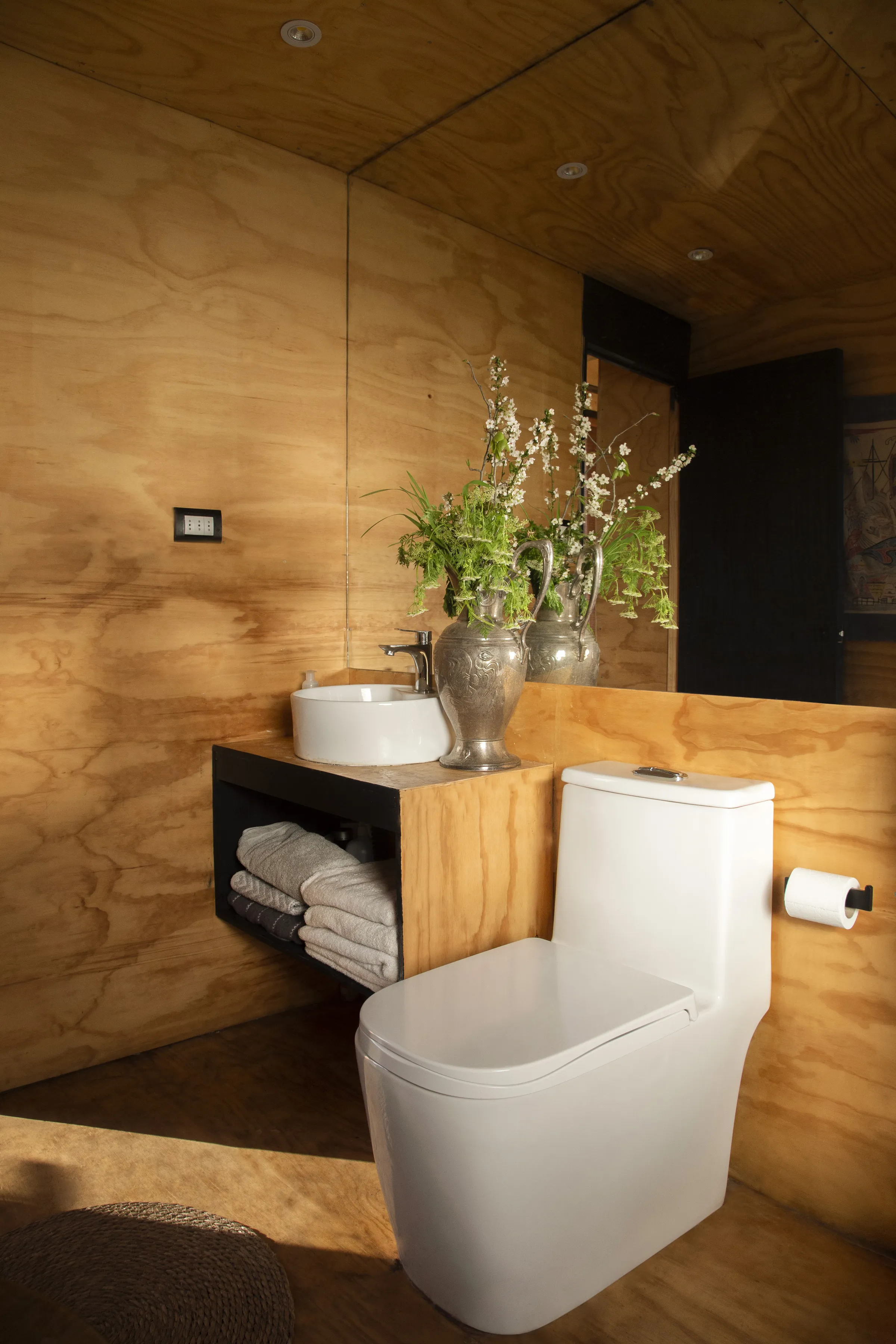
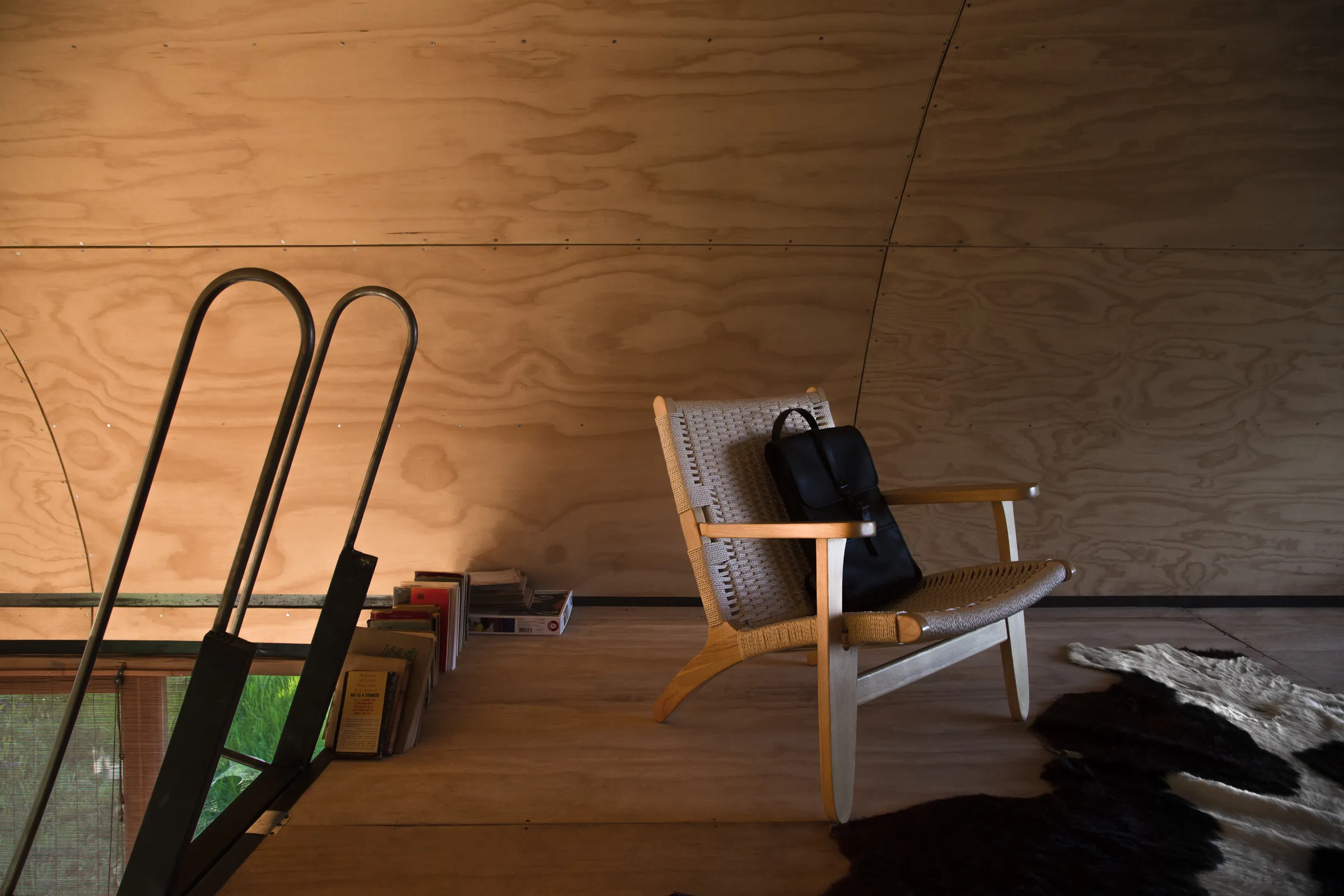
The materials have been selected with a focus on visual mimesis, allowing the architecture to blend with its context. This choice aims to minimize the visual impact of the construction, integrating the work into the landscape.
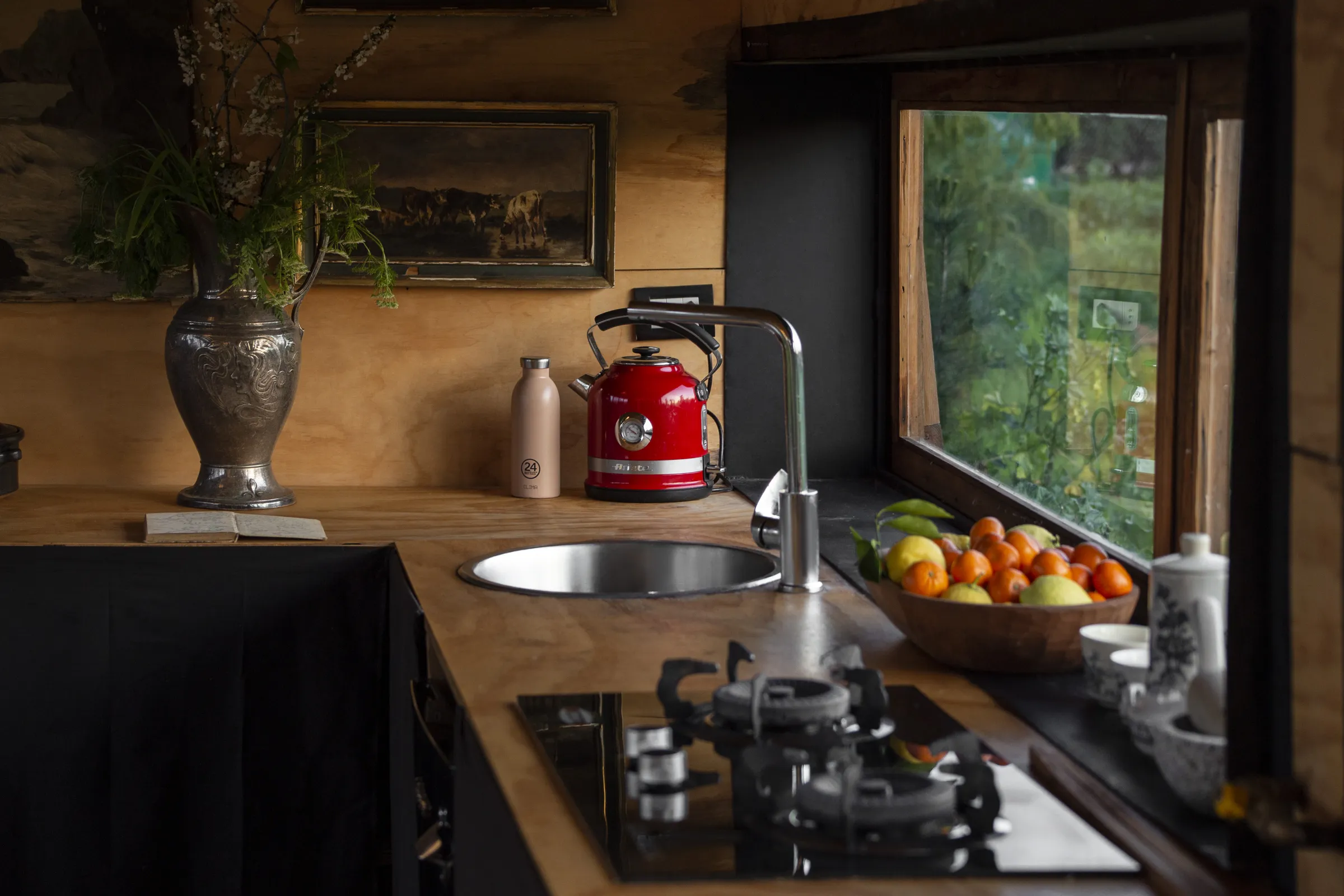
In sum, Catalejo is not only a habitable space but also an architectural experiment that invites reflection on the interaction between human beings and nature. By bringing the landscape into the house, a constant dialogue is generated that transforms the experience of dwelling. The spaces become frames that define changing views, where each window acts as a lens that focuses and amplifies the natural environment, thus fostering a deeper awareness of the place in which one resides.