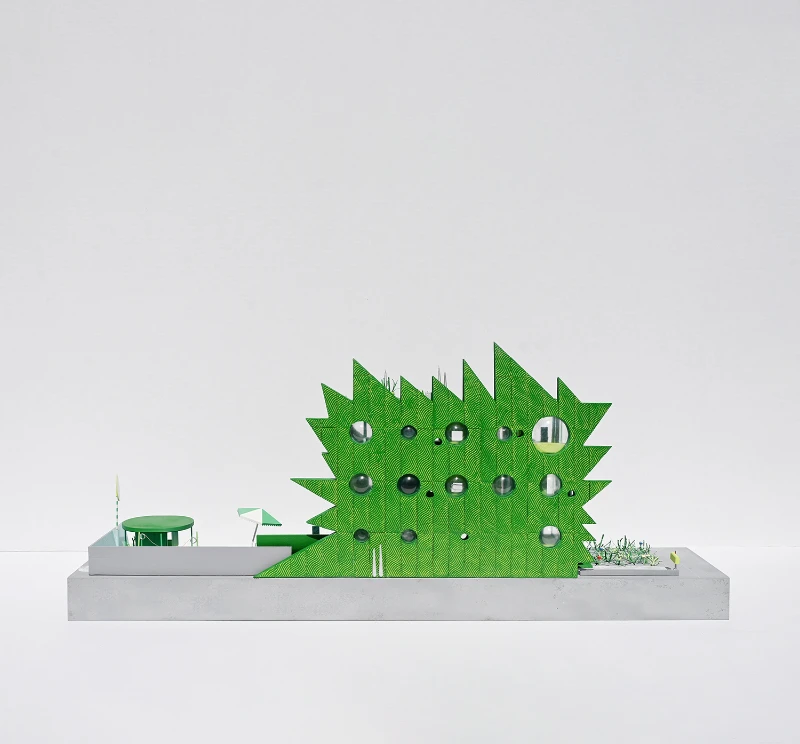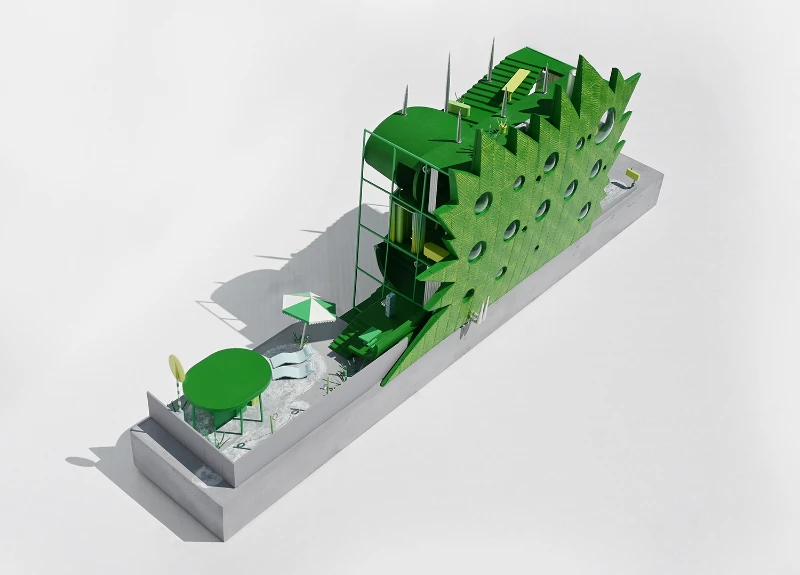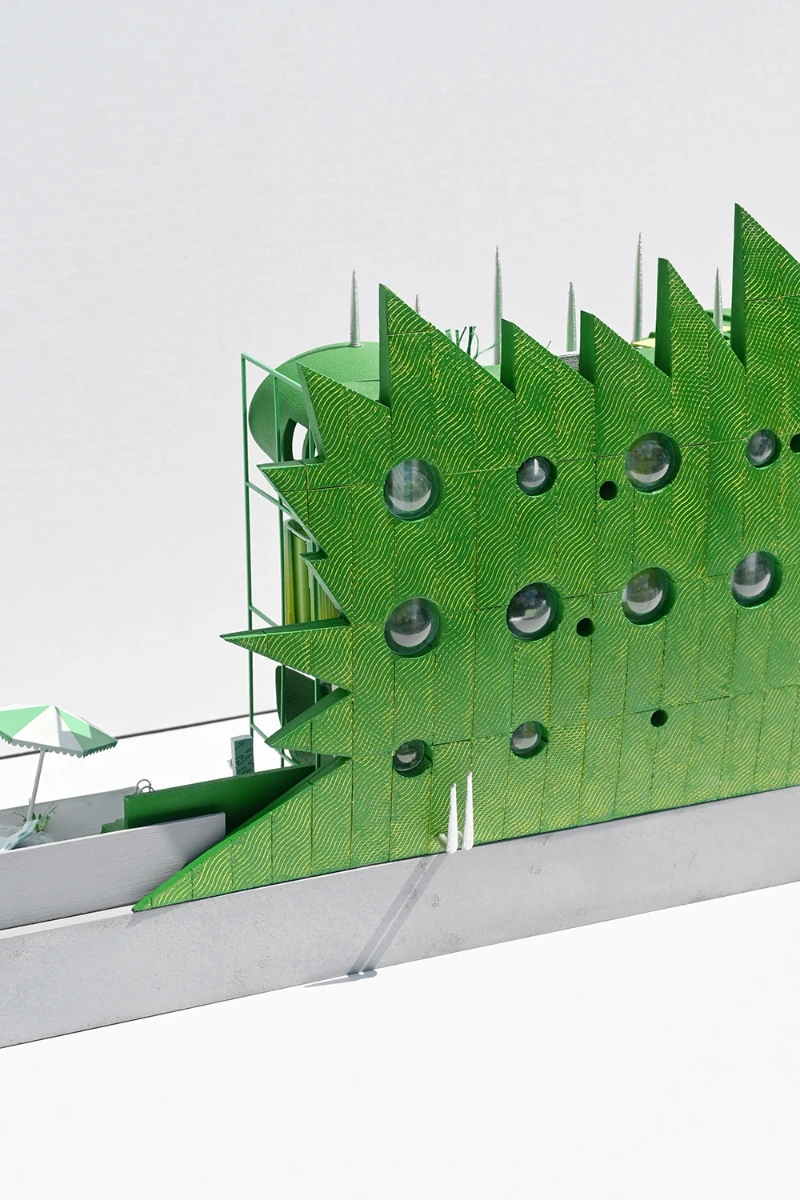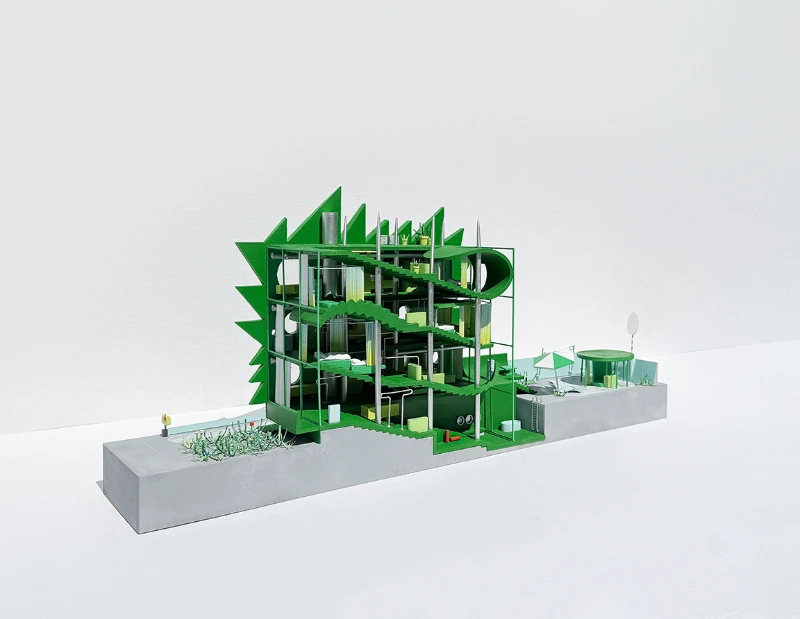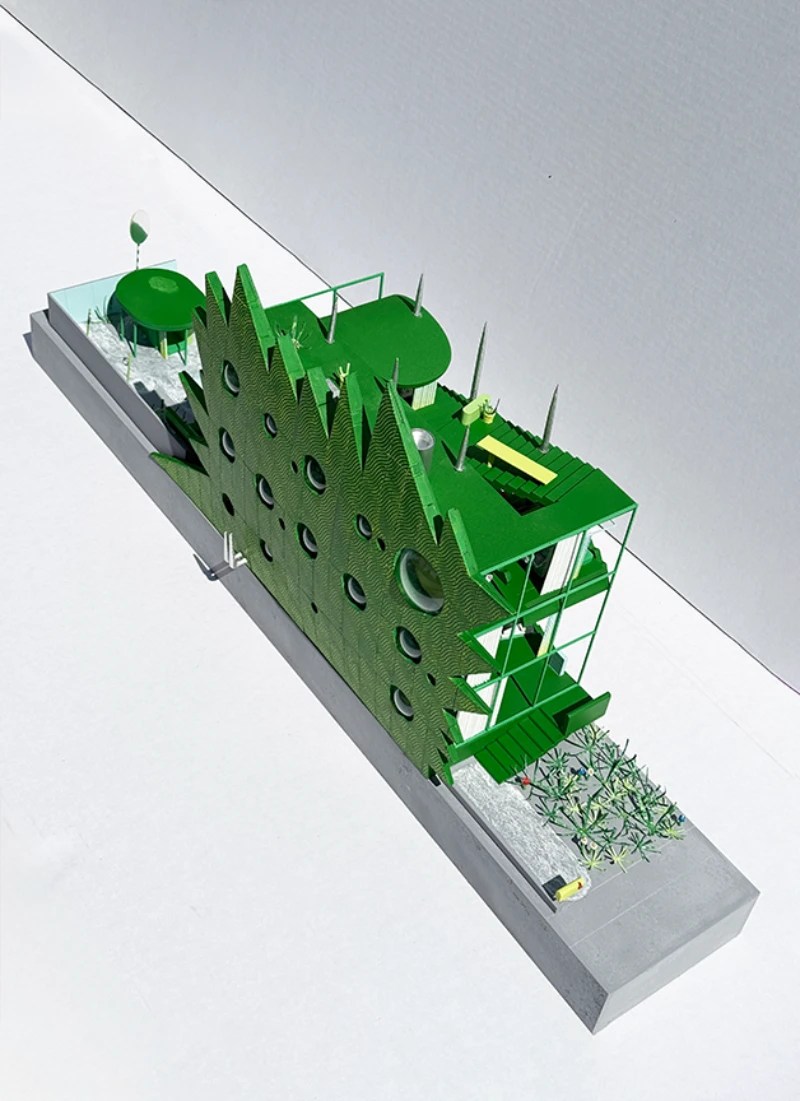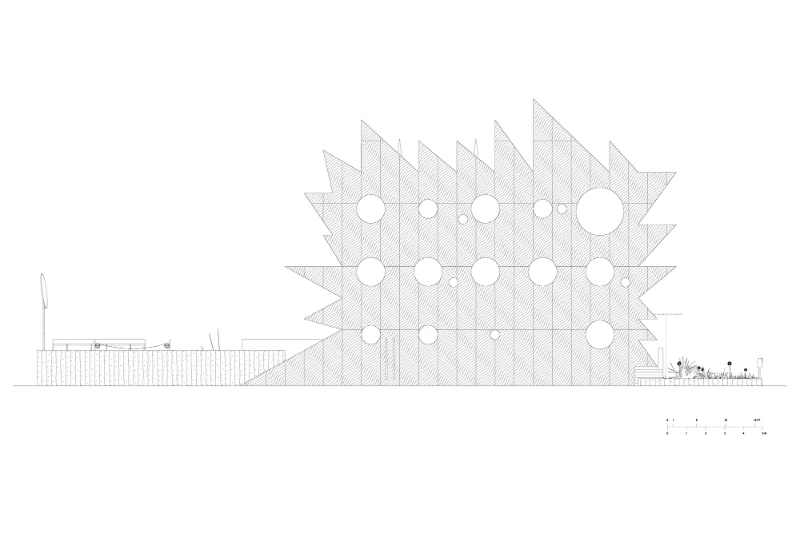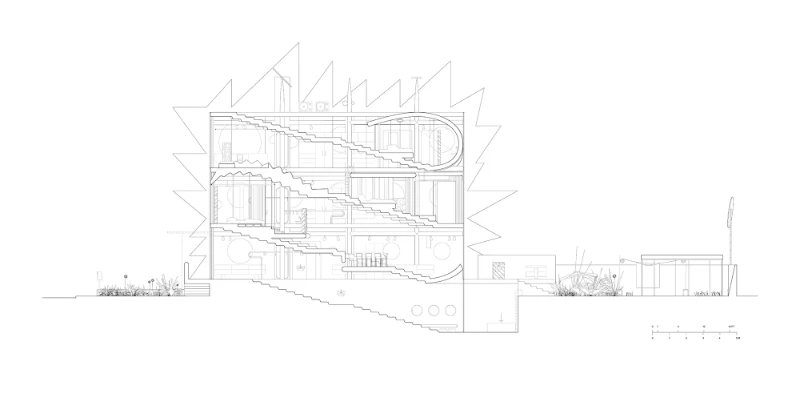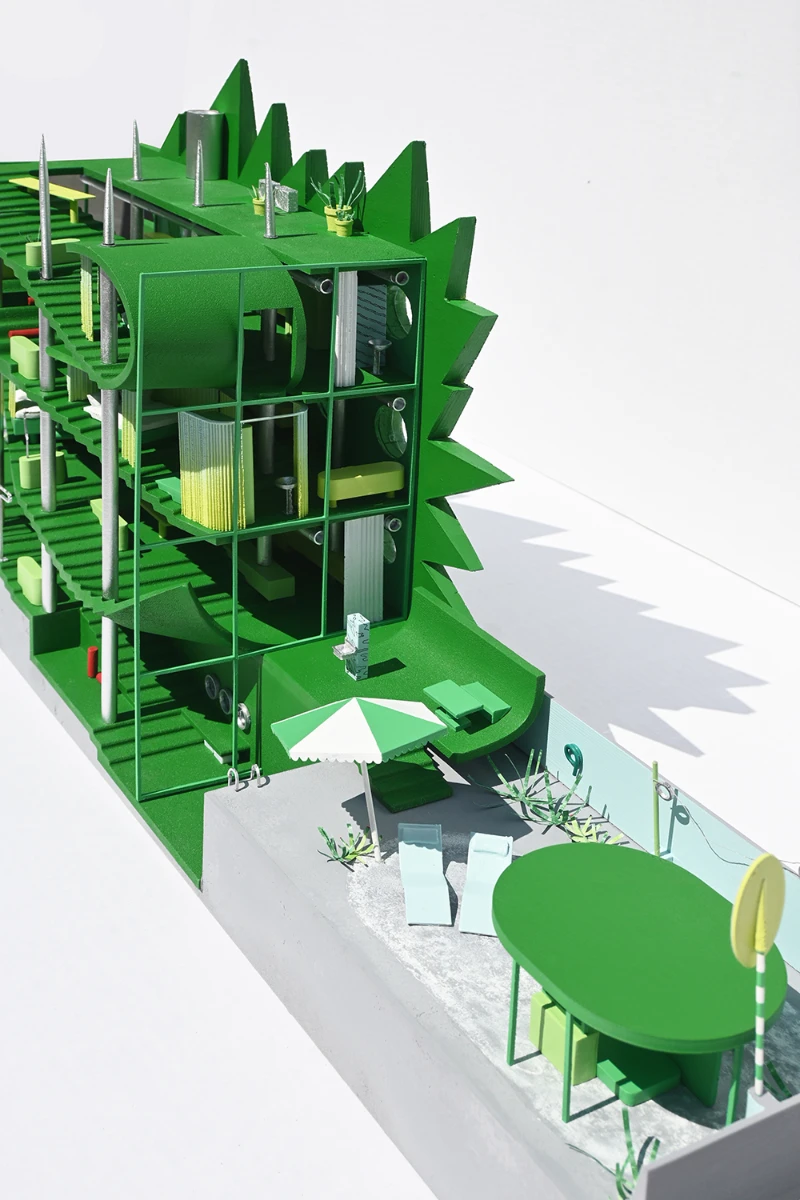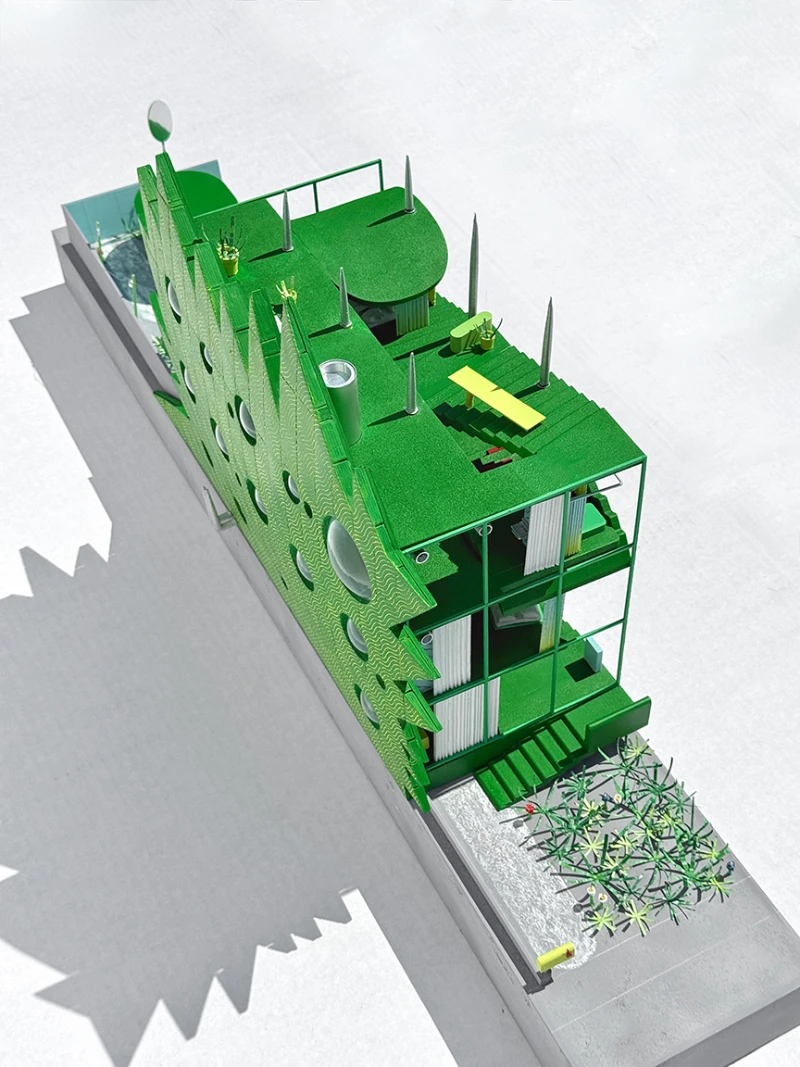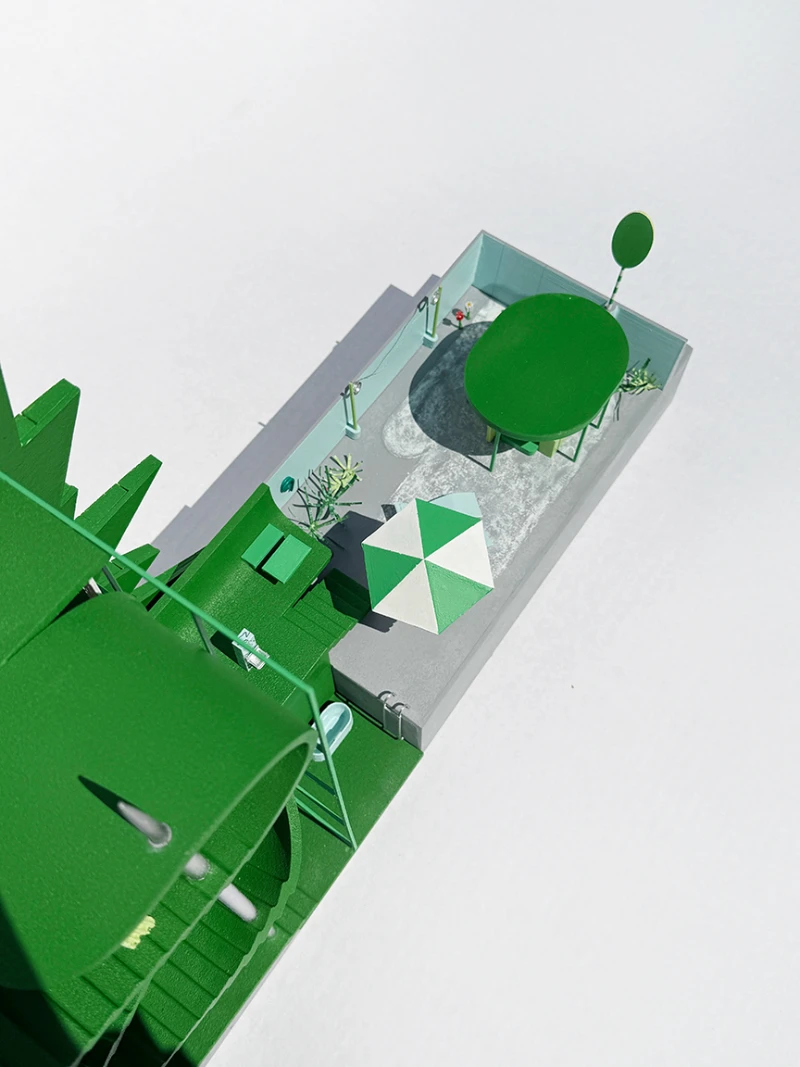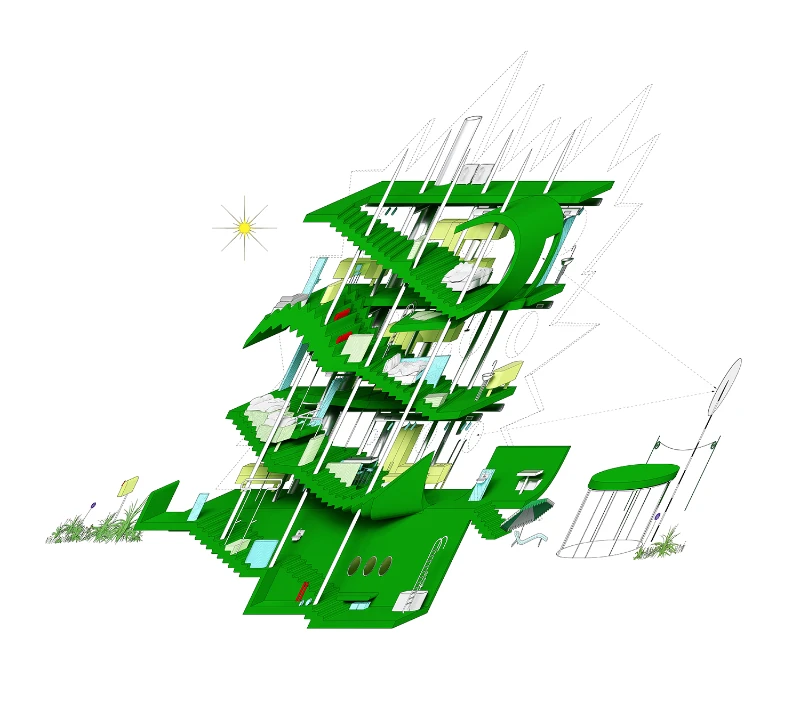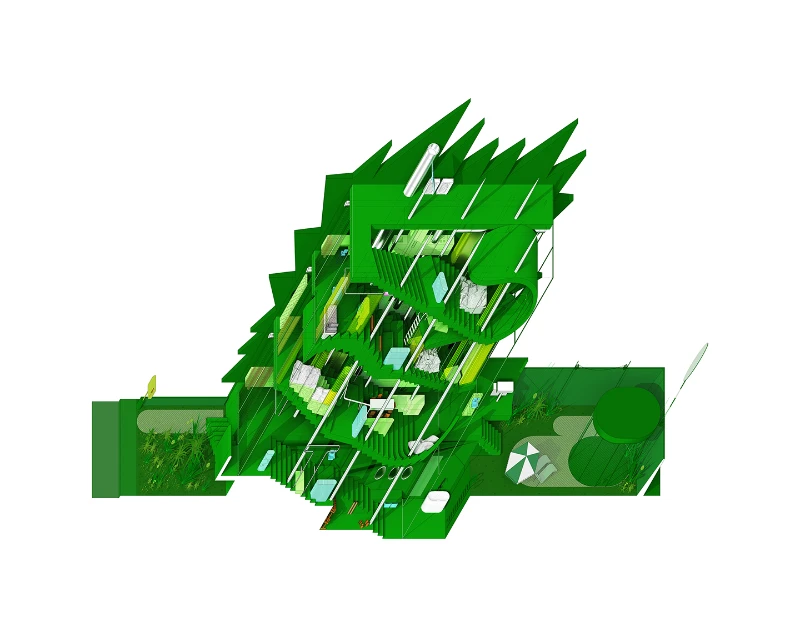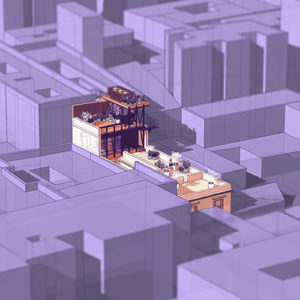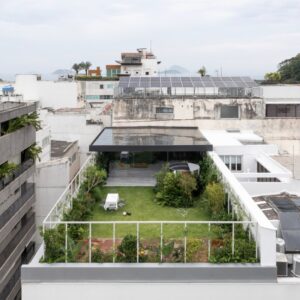
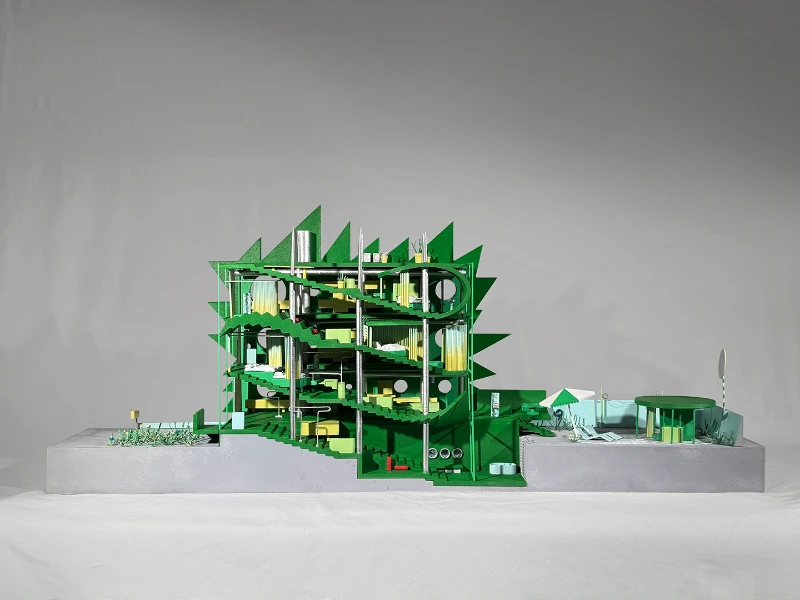
Feel Conditions is an apparatus for queer kinship and homemaking. It takes the form of an endless feed that stages performances of daily life for its inhabitants, and formally anticipates everyday cultures of resource sharing, ambiamory, and contact on- and offline.
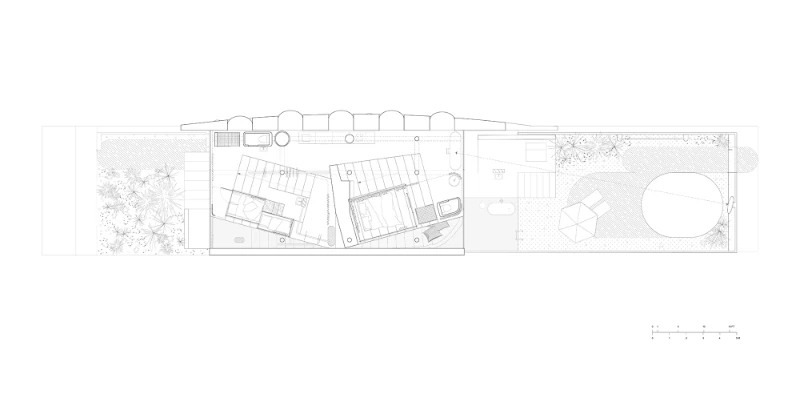
The project is conceived for a group of artist friends in Toronto. A series of interviews provided us with the programmatic structure of the building, and a series of priorities for each: to develop romance in the quotidian; independent zones with their own areas for food preparation; private spaces with sonic separation for sleep, sex, and retreat; and shared spaces for hosting, rehearsing, partying, and work.
Stan Allen’s “Field Conditions” (published in 1985 in Points and Lines) argues that architecture should abandon the classical ambition to compose discrete, self-contained “objects” and instead operate as an open field in which form emerges from the interaction of many smaller elements, forces, and events. Allen insists that design be understood less as a bounded figure and more as “a space not defined by fixed points or measurements but by conditions.” Allen’s text could also be read as a polemic which argues for the transition from the individualist spirit of late capitalism to forms of architecture which favor egalitarian and social-democratic values. Feel Conditions is the terminally online cousin to Field Conditions. It is an architecture of intentional sharing—and perhaps over-sharing—as much as one of isolation and logging off.
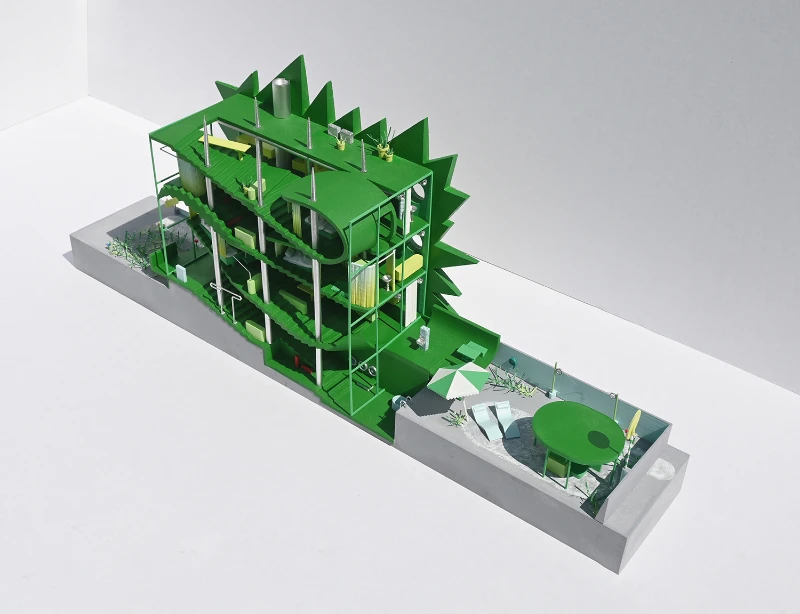
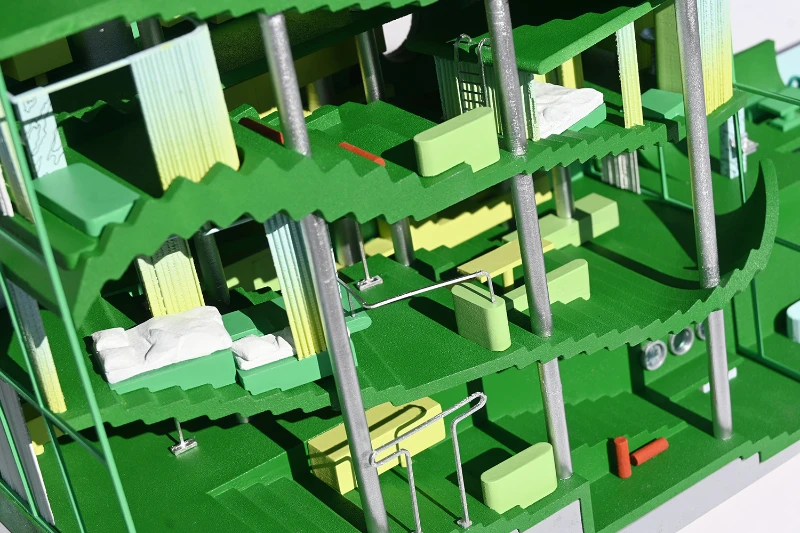
The almost synthetic, continuous surface of its interior (the single-surface project here appropriated as a useful readymade) produces a culture of peripheral simultaneity among its inhabitants. Reality is generated through experience, intuition, and encounter as much as through reason and rationale. How Evan, a dancer, moves across its steps will necessarily vary from the ways in which Michael will do the same when their partners come to stay for a night or two. Geoff and Anna, cinephiles and filmmakers, will engage its surfaces to project film, and the home’s inhabitants and guests alike will be afforded oblique glimpses from zone to zone. Each area is lit and conditioned by an infrastructural rig that attaches to the building’s columnar structure. Across the home’s plastic surfaces, activities appear and disappear in a scroll of daily life, and a contingent culture of program is platformed as events on a timeline.
In this home, beds materialize pavilions of privacy and appear, stretch, and multiply to conform to the relationships they serve. For instance, one sleeping zone gathers two beds together in a contiguous, stepped arrangement. This accommodates togetherness and distance: both conditions can be enacted when additional partners visit and spend the night.
This work was commissioned for “The House Transformed” at Princeton University School of Architecture, curated by Monica Ponce de Leon, September 25, 2025 to February 7, 2026.